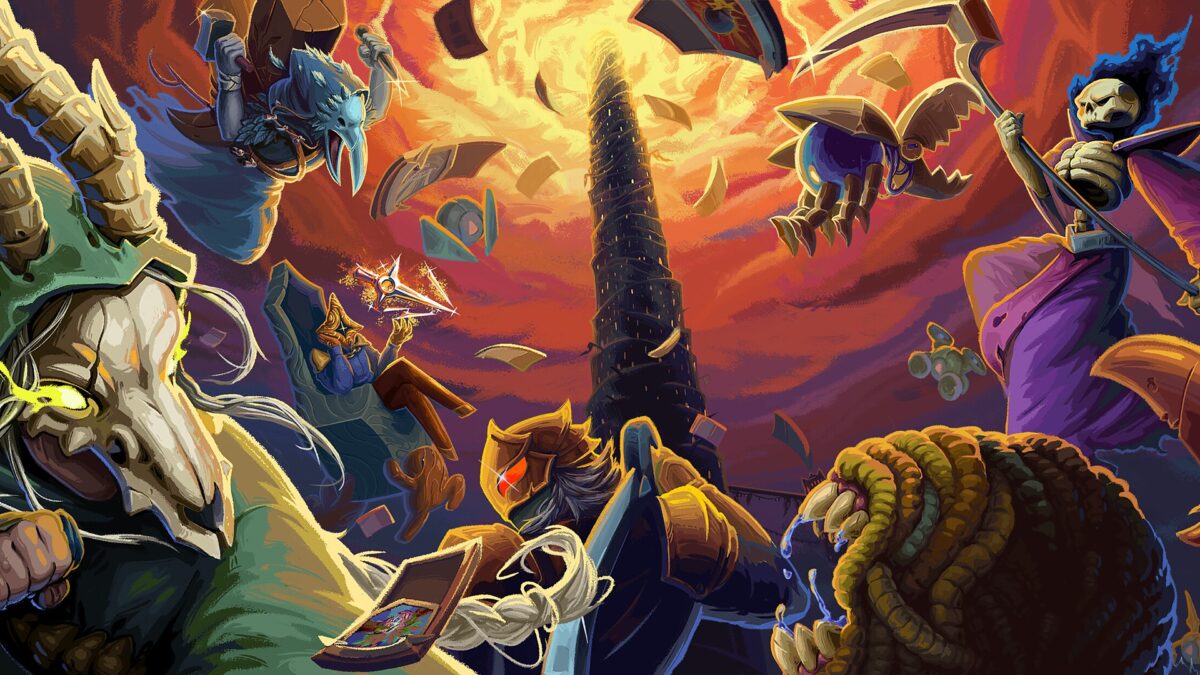
Your sword in Slay the Spire 2 is a deck of cards.
It’s a video game where you build a deck and use it to fight monsters in turn-based battles. You play a card to strike, another to block, and then the monster takes its turn. Think of it as solitaire that fights back.
Each attempt is called a run, meaning one play-through from start to finish. You begin with a small, basic deck and fight your way up a tower, floor by floor, adding cards as you go. If your hero falls, the run ends and you start over with a fresh deck. Every attempt starts clean, so it’s an easy game to dip into on a quiet evening.
You play it on a Windows, Mac or Linux computer through Steam, and it runs on the Steam Deck handheld too. More than eight months after its March 5, 2026, launch, the game is still in early access. Mega Crit hasn’t announced console or phone versions, and its FAQ says those likely won’t arrive until early access ends. The first game took about a year and a half to get there.
The first game started a craze
The original Slay the Spire arrived in early access in 2017 and fully launched in January 2019. It later came to Nintendo Switch, PlayStation, Xbox, iPhone, iPad and Android, and it holds a score of 89 out of 100 on Metacritic.
Critics credit it with making deckbuilding video games popular. The sequel sold more than 3 million copies in its first week, according to Mega Crit.
What’s new in Slay the Spire 2
The sequel keeps the same game at its heart. Baalorlord, a longtime Slay the Spire streamer, sums it up: “If you like the first game, then the second game has that but more.”
- Returning heroes: the Ironclad, the Silent and the Defect.
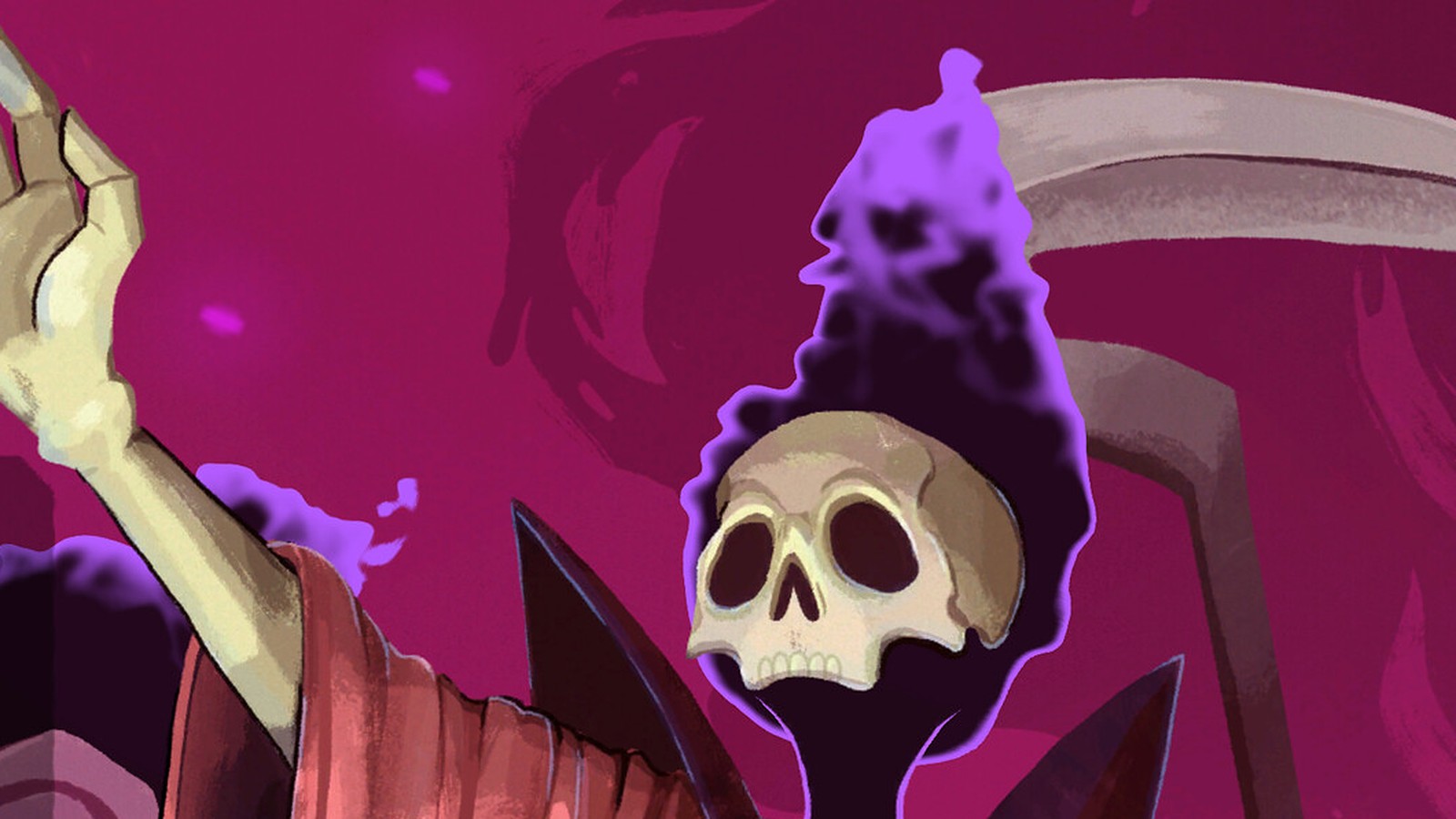
- New heroes: the Regent, a proud king from outer space, and the Necrobinder, a skeleton sorceress who fights beside a giant bony hand named Osty.
- Team play: up to four friends can play together online, something the first video game never offered.
- Fresh looks: richer art and more animation, Baalorlord says.
Want something gentler for a group? Try the Big Walk cooperative game.
Why it feels like a puzzle, not a gamble
The cards you draw are random, but your choices are not. Caleb Gannon, a YouTube strategy creator, admits he blamed bad luck when he started. Now he argues “it is possible to win almost every single run.” His fix: “autopsy your runs.” Spend two minutes after a loss asking what went wrong.
Expect to lose at first. The Imagine Games Network (IGN) beginner’s guide says “Loss is baked into the roguelike formula.” A roguelike is a game where losing sends you back to the start. Baalorlord adds, “Playing cards and dying is fun in this game.”
Start with the Ironclad
Only the Ironclad is open at first. IGN calls him “the most straightforward to learn,” a sturdy fighter who heals a little after each battle. Playing each hero unlocks the next. Baalorlord finds the two newcomers “a little bit more rough around the edges” than the returning three.
Plan your path before you move
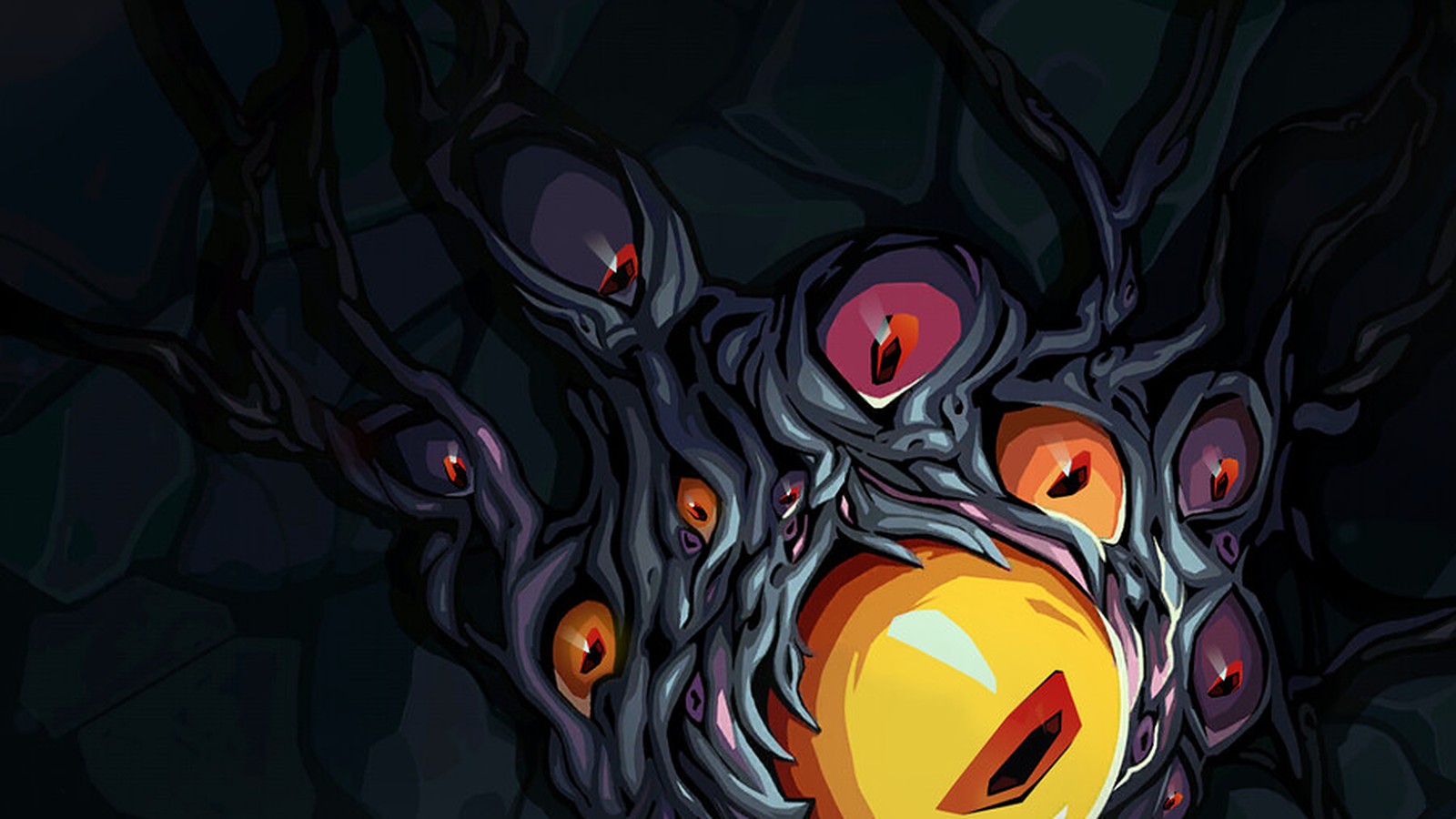
Each section of the tower is a map with branching paths and a boss, the biggest monster, at the top. Check which boss it is, then pick your route. Gannon is blunt: “if you just click something and go a direction, that’s probably why you’re losing.”
- Elites are extra-tough monsters. Beating one earns a relic, a lucky charm that helps you for the rest of the run.
- Question marks are mystery stops that can hide a fight or a stranger offering a trade.
- Campfires let you rest to heal or improve one of your cards.
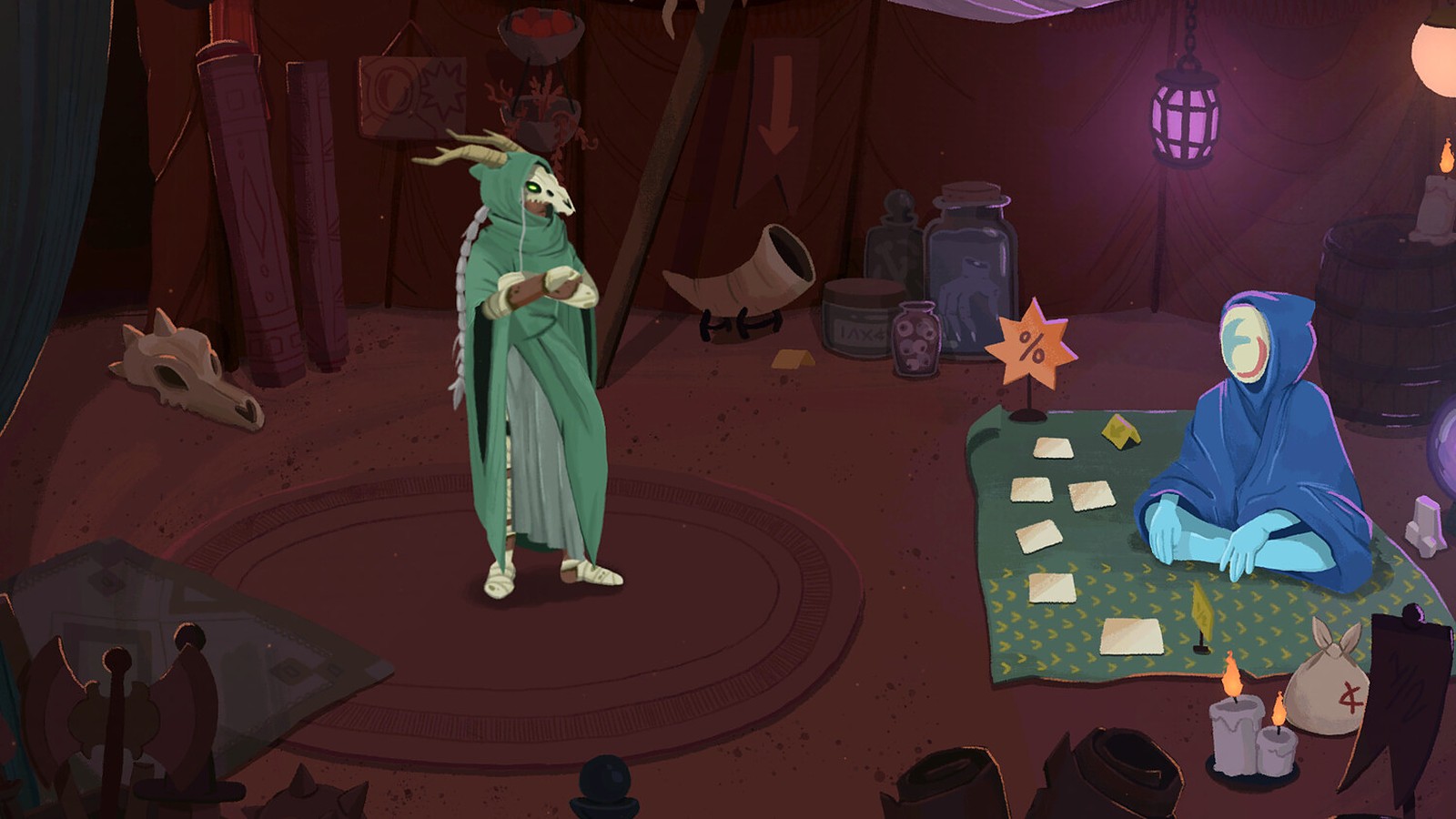
Keep your deck small
But there’s a catch. Every card you add makes your best cards show up less often.
IGN suggests a shop visit in every section to pay the shopkeeper to remove a weak card. Gannon also says to be “willing to skip card rewards, even if they look cool and shiny.”
What to know before you start
Baalorlord points to some placeholder art and expects early access to last about 18 months to two years. A Nov. 12, 2026, test update added a sixth hero, the Fool, plus two new game modes.
Watch: Learn Slay the Spire 2
Baalorlord explains what changed from the first game, without spoilers.

Caleb Gannon breaks down why players lose and how to fix it.

IGN walks through the heroes, the map, combat and team play.