Most people handle a 2027 planner setup the same way. They open to January and design the entire year in one sitting.
The host of the YouTube channel Mark Your Pages calls that the big mistake: “We’re building systems for lives that we haven’t actually lived yet.”
A few weeks later, the trackers sit empty and planning feels like a chore. Your planner can work differently, and it can protect your hobby time instead of burying it.
Here’s the better approach.
Live in the book before January
The smartest first move is to skip January entirely.
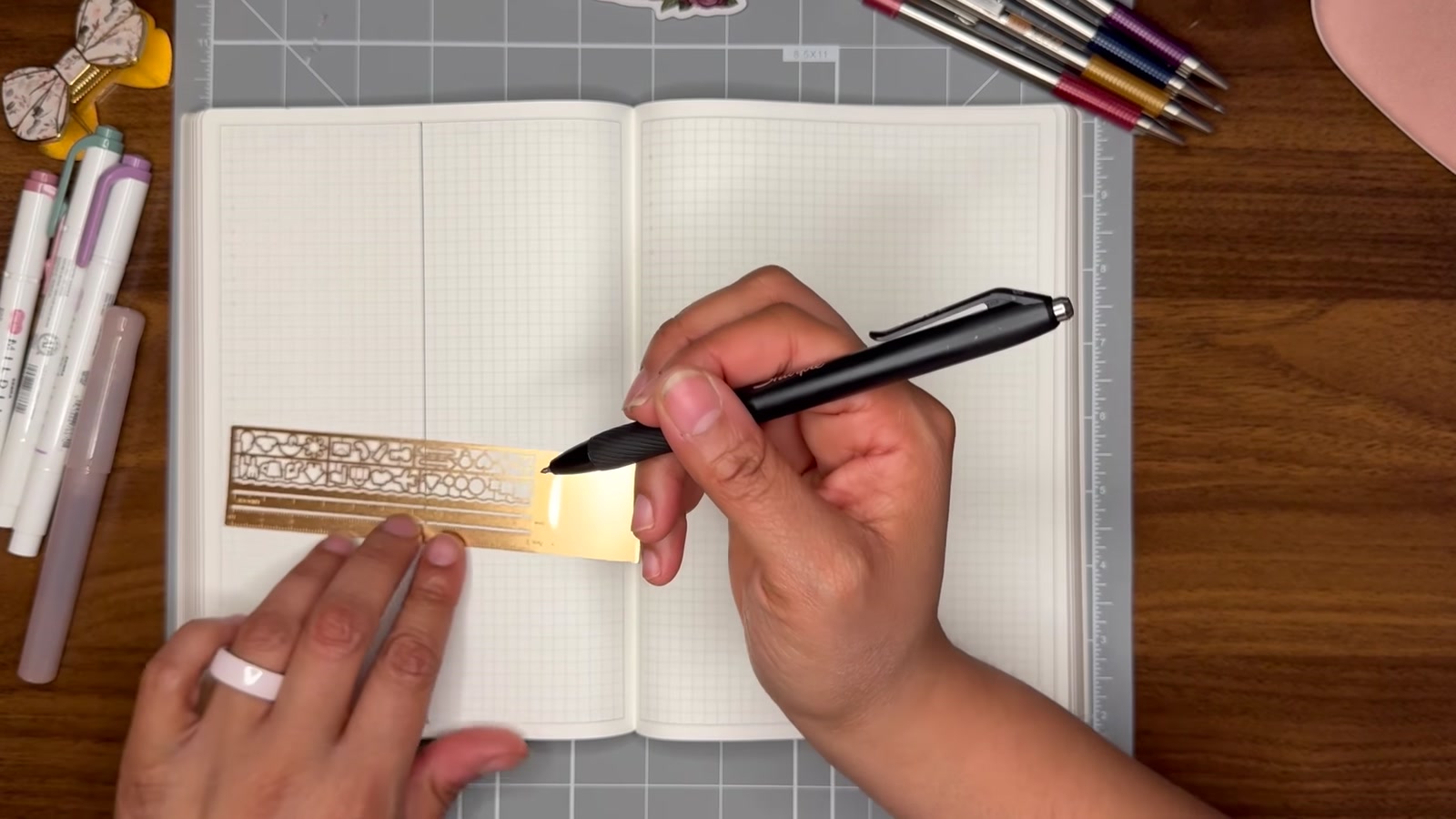
The host of Speak It In Ink began a 2027 planner by testing four kinds of pages first: a functional reference page, a personal reflective page, a running collection and a visual, expressive page.
Why bother? Paper, ink and grid never behave quite the way you imagine. The host planned to color code the yearly overview with markers, then found that small color coded symbols worked better on the tiny calendars.
The advice is simple: “Before you build the year, spend some time learning the book.”
As the host puts it, “The goal isn’t certainty. I think it’s familiarity.”
Start with a minimal viable planner
Fewer pages make a planner you actually open.
The Mark Your Pages host works in product design and borrows an idea from that field, the minimal viable product. He starts with one question: “What problem am I actually trying to solve?”
His answer needs only four parts: a calendar, a weekly layout, a task list and a place for notes.
The trap is feature creep. Add enough trackers and you end up with a system that takes 20 minutes every night to maintain. He calls that planner debt.
His test for every page is worth copying: “Is the value I’m getting from this page greater than the effort required to maintain it?”
New ideas go on a backlog. A page earns its spot only after you notice you need it.
Give your leisure a page that grows
This is where a planner turns from a task list into a record of a well spent year.
The Speak It In Ink host sets aside a spread for every book read in 2027. The rule behind it: “a collection earns a permanent page when I know why I’m going to come back to it.”
Artist Amanda Rach Lee, who designs her own planners, made a similar change. She noticed many people never filled their trackers, so she replaced them with a reviews section for what you have been watching, reading or liking, complete with a star rating.
Lee pairs that with small weekly boxes beside a blank page, which she calls “a visual dashboard of your week.” It feels “lower stakes” if you skip a week.
And don’t apologize for pretty pages. As Mark Your Pages reminds viewers, “enjoyment counts as value, too.”
Do hobbies keep slipping off your calendar? Pair your planner with energy based time blocking.
Review your 2027 planner setup every quarter
A planner is never finished, and that is good news.
The Mark Your Pages host skips the full year plan and works in three month cycles. His rhythm fits in four words: “build, use, notice, and adjust.”
At each review, ask five questions:
- What worked?
- What didn’t?
- What should I keep?
- What should I remove?
- What’s missing?
Speak It In Ink lands in the same place: “The planner is allowed to evolve.”
So test four pages, keep the ones you return to and let your 2027 planner grow around the life you actually live.
Watch: Three smarter ways to set up a 2027 planner
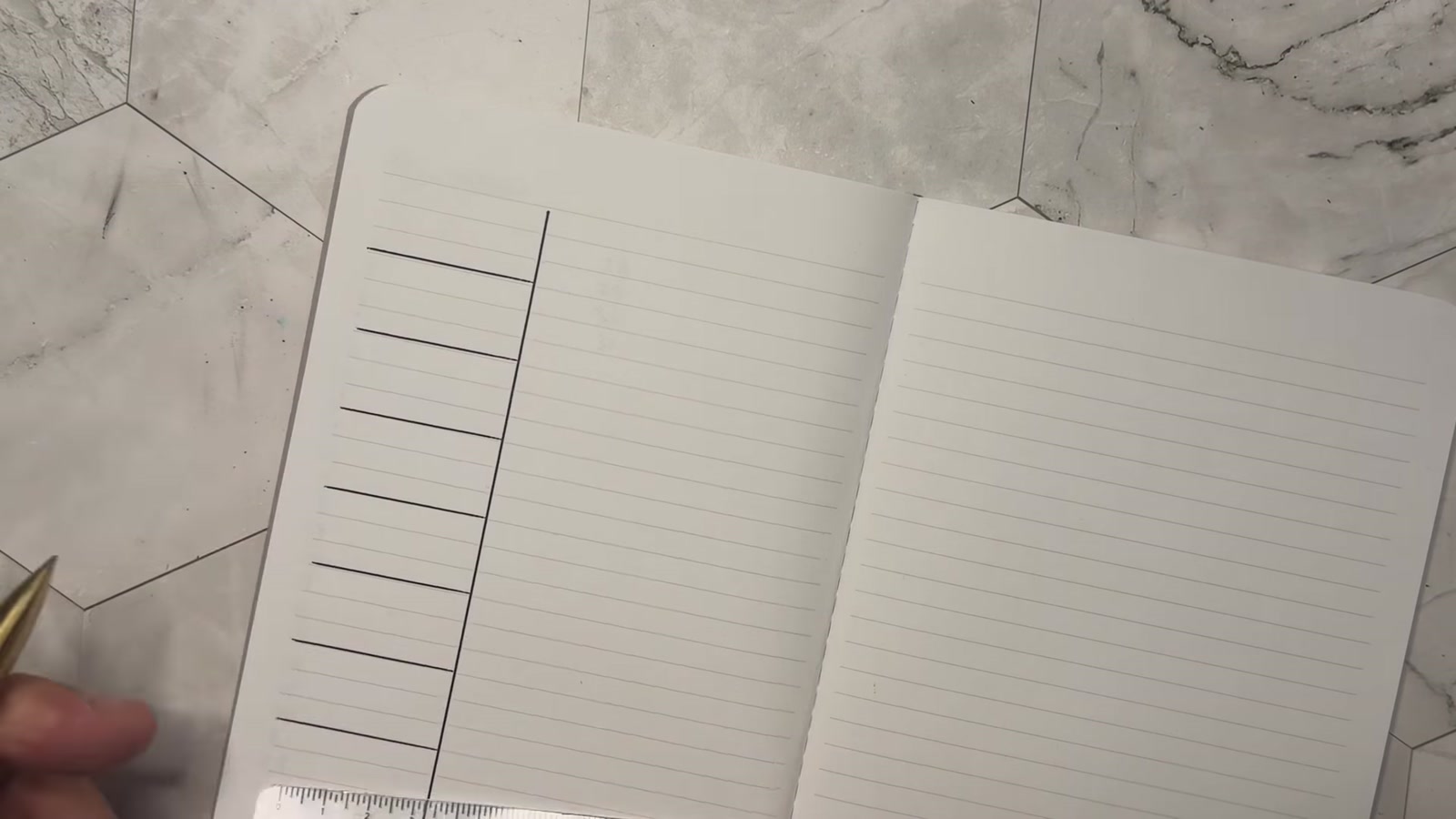
Mark Your Pages explains the minimal viable planner, planner debt and the quarterly review, and the open notebook image comes from this video.

Speak It In Ink walks through four test pages to try before January, and the grid spread image comes from this video.

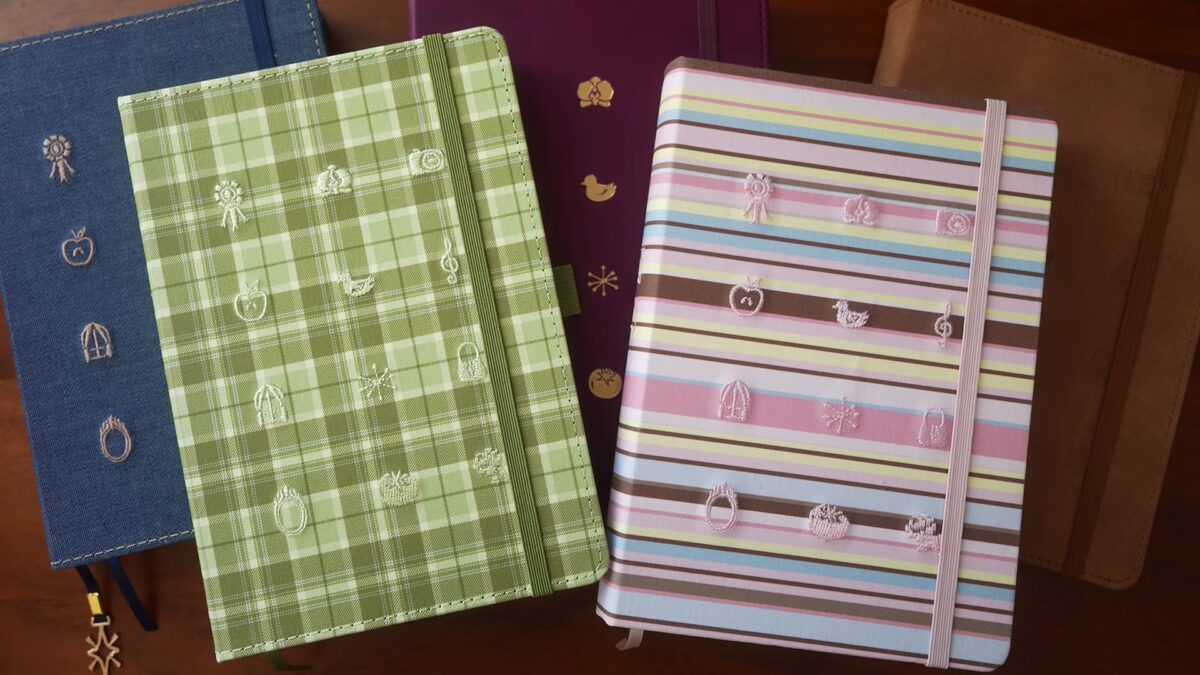
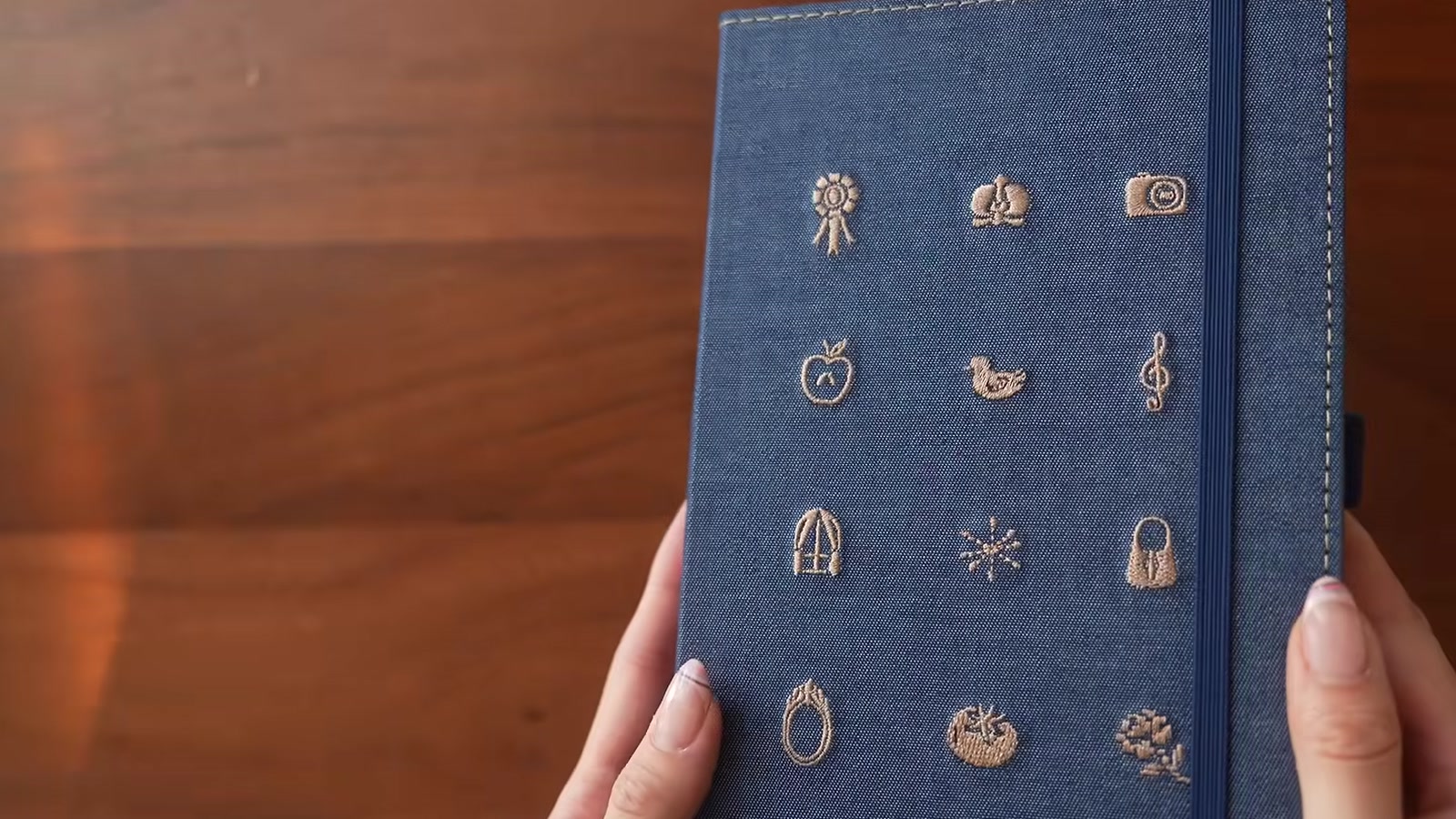
Amanda Rach Lee tours her 2027 planner collection and its new reviews section, and the featured image and denim cover image come from this video.