Your dog may be the best personal trainer you will ever have. These dog walking tips turn the daily walk into a calm habit that keeps you both fit.
The payoff is real. In a 2017 study of adults 65 and older in Britain, dog owners walked about 22 minutes more each day than similar people without dogs.
Even better, 87% of the owners met the guideline of 150 minutes of moderate activity a week, compared with 47% of the people without dogs. The study cannot prove the dog caused the difference, but the pattern is hard to ignore.
Here’s how to make every walk count.
Start with a collar that fits
A well-fitted collar gives you more control with less effort on every walk.
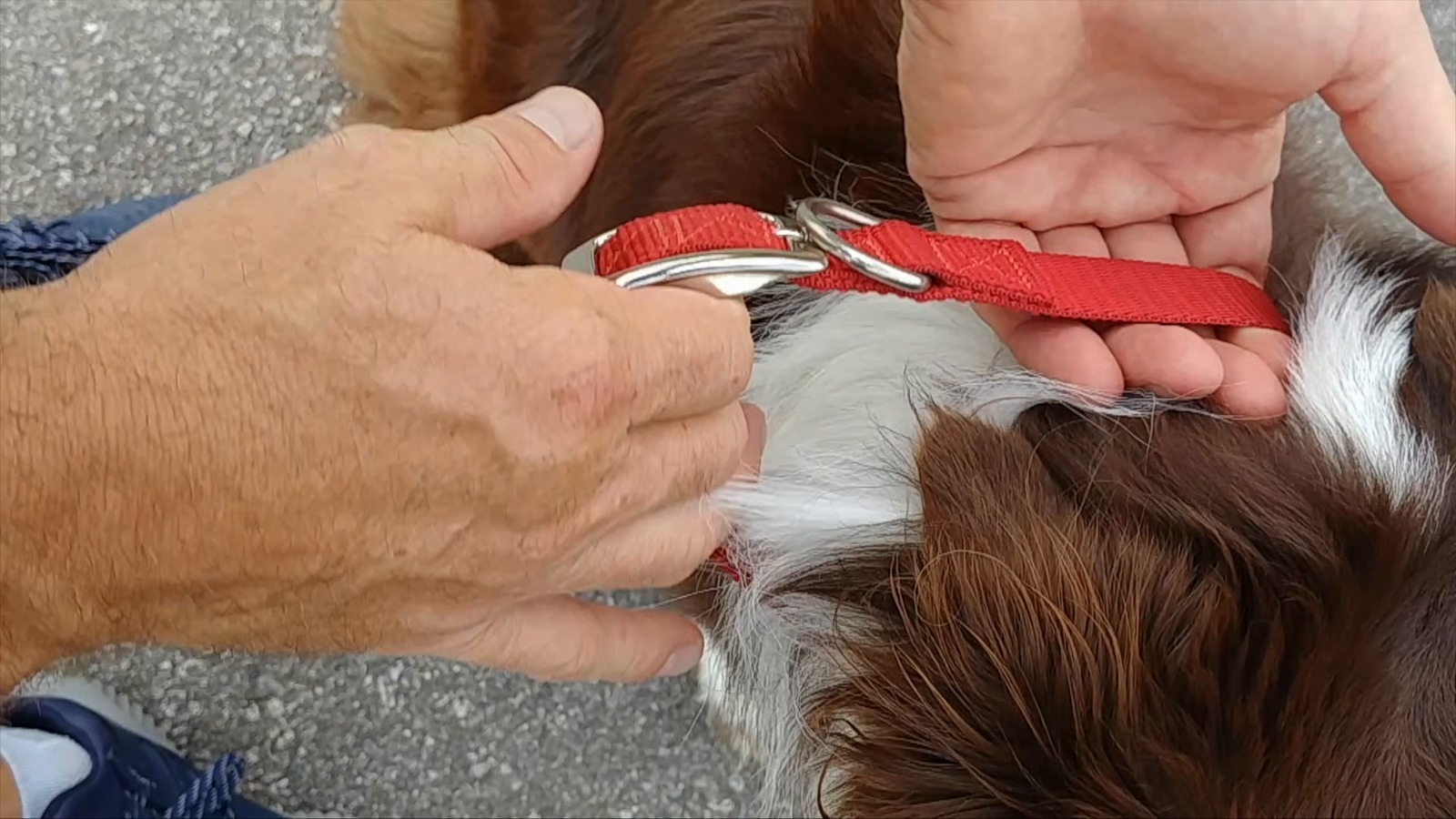
The trainers at McCann Dog Training say a collar should sit high on the neck, not low on the shoulders. You should be able to fit only two fingers underneath it.
Their instructor recommends doing “that two finger check every single day”, especially with a growing puppy. They prefer a flat metal buckle collar, because plastic clips can break.
Does your dog pull hard even with a good fit? The same trainers suggest a head halter as a step up.
Make a slack leash your default
A loose leash makes the walk feel effortless for both of you.
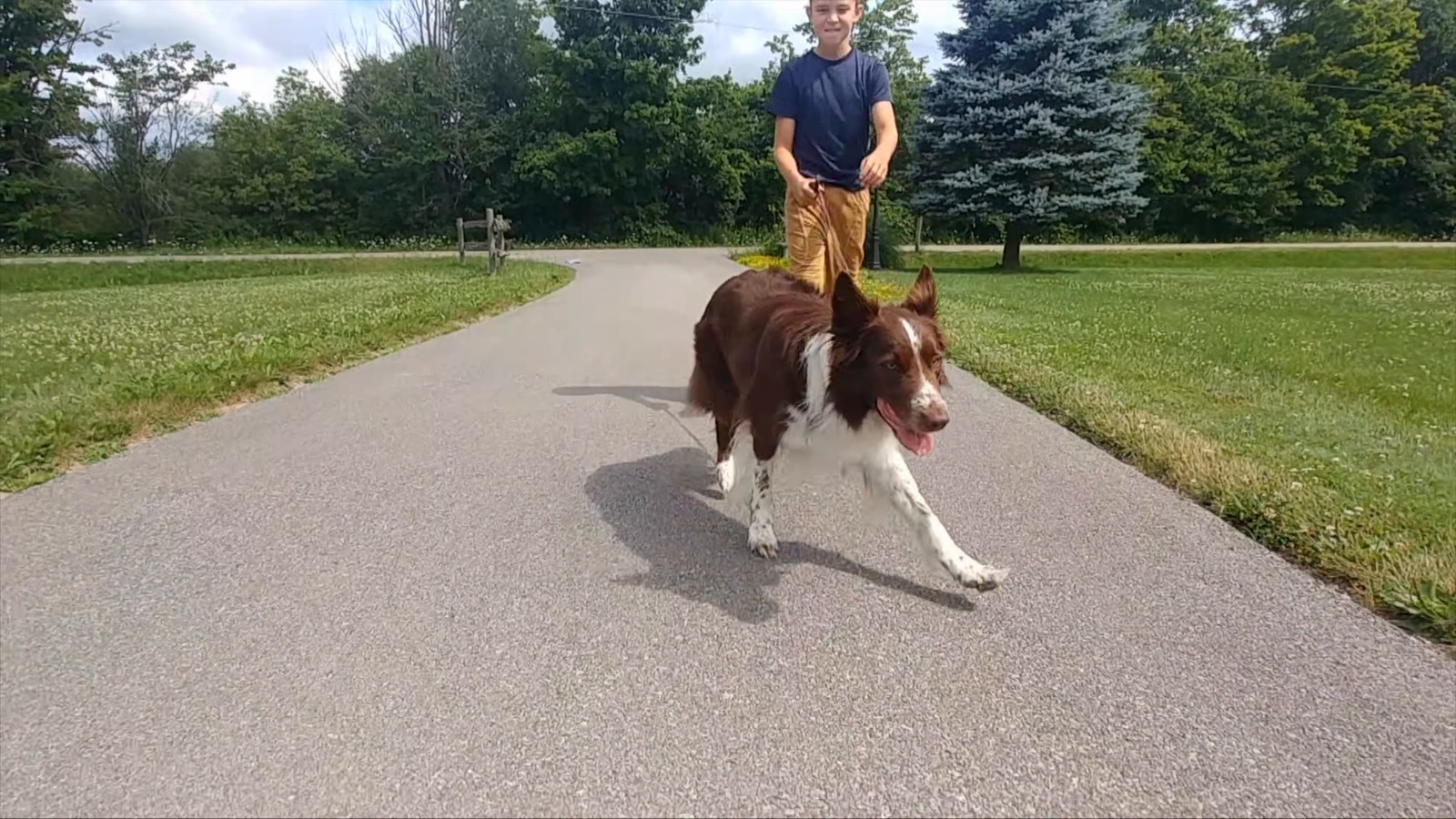
McCann’s instructor looks for “a nice slack leash clip pointing towards the ground”. Constant tension teaches a dog that pulling is normal, so keep your arm relaxed.
Guide Dogs, the British charity that trains guide dogs for people with sight loss, starts with a reward zone at your side. You offer food by your leg, so staying close becomes the best place to be.
When the lead tightens, the charity’s advice is to stand still, stay quiet and wait for your dog to come back. You can also change direction and reward your dog for following you.
Practice first in a quiet room or garden. As the charity puts it, “your dog might not get it right straight away and that’s okay”.
Give the nose its own time
Planned sniff breaks satisfy your dog and make the rest of the walk easier to manage.
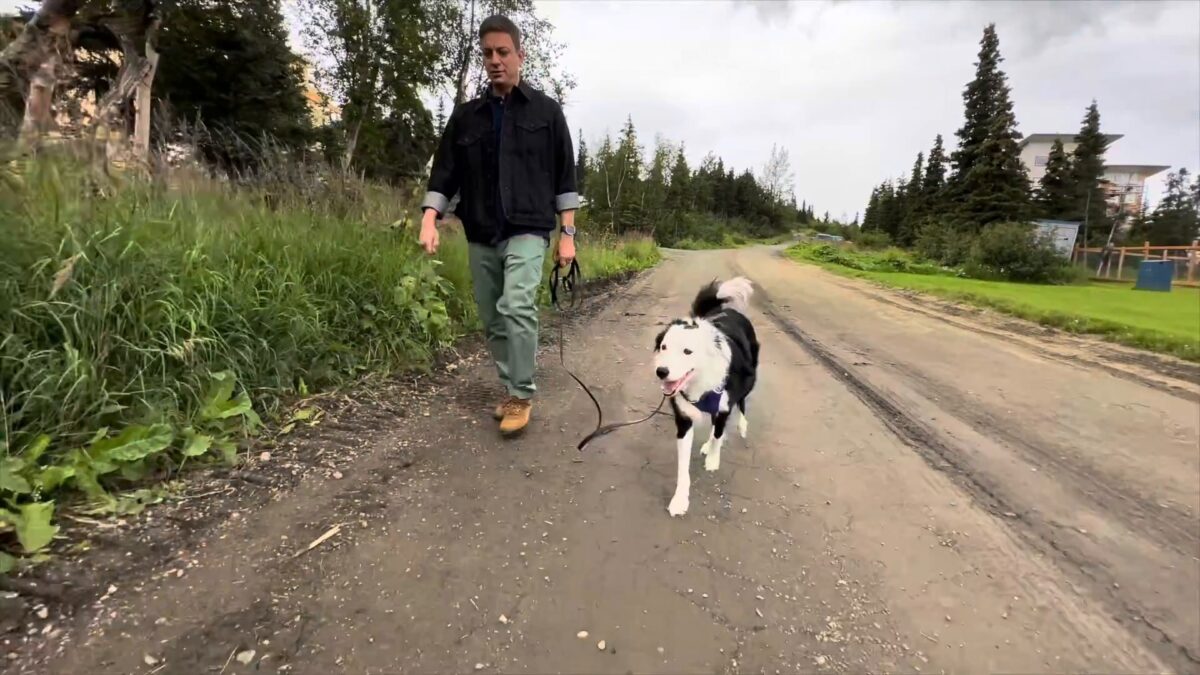
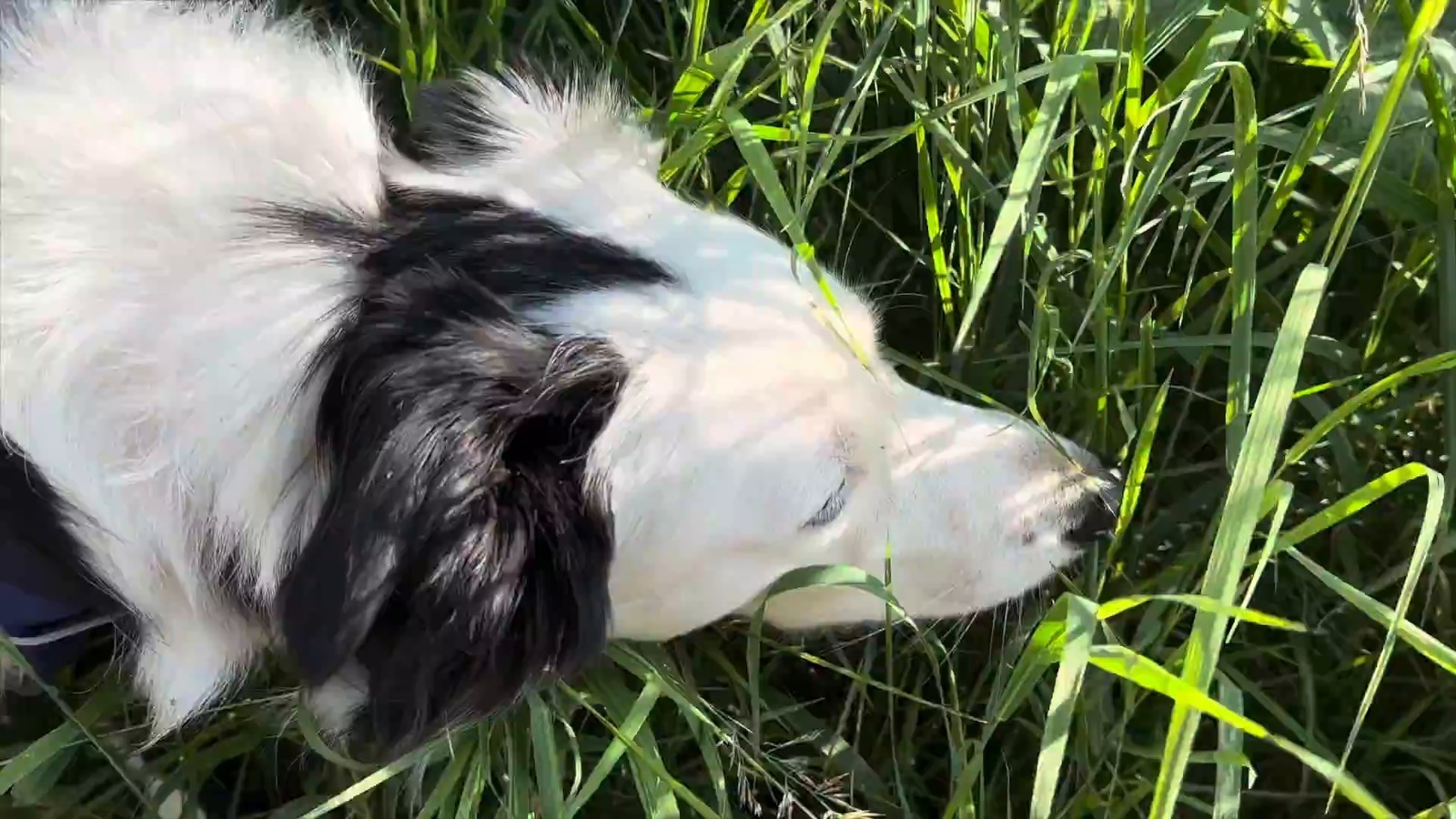
Dogs have around 300 million scent receptors, compared with about 6 million in people, according to trainer Zak George. That’s why they weave instead of walking in a straight line.
George gives his own dog “several minute long sniff breaks throughout the walk”. When it is time to move on, he uses a cue such as “let’s go”.
He also notes that sudden, excessive sniffing can be a sign of stress, so watch for changes in your dog’s habits.
Dog walking tips for your own fitness
Your dog’s walk can double as your daily workout with one simple structure.
Open with five relaxed minutes of sniffing while your own muscles warm up. Then pick up the pace for a brisk loose leash stretch, standing tall with your shoulders back.
Alternate brisk stretches with short sniff breaks, and finish with a slow cool down stroll. In the 2017 study, the extra walking happened at a moderate pace, which is exactly the kind of effort that counts toward the weekly guideline.
Consistency matters most. McCann’s trainers warn that letting a dog pull some of the time sends mixed signals, and a walk at the same time each day builds the habit for both of you.
Do you want another way to walk with purpose? Read what long distance walker Karl Bushby can teach everyday walkers.
Watch: Three lessons for better dog walks
McCann Dog Training explains collar fit, slack leash habits and when to try a head halter, and two of the images above come from this video.
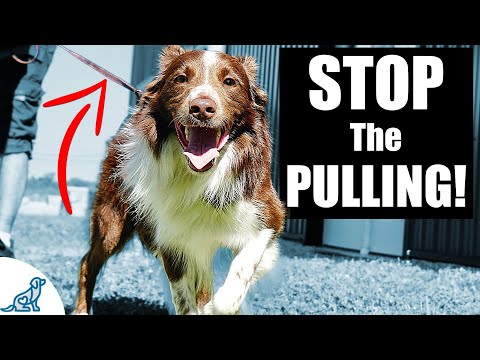
Guide Dogs walks through its five tips for loose lead walking, from the reward zone to setting realistic goals.

Zak George explains how a dog’s nose shapes the walk and how to plan sniff breaks, and the featured image and sniff photo come from this video.