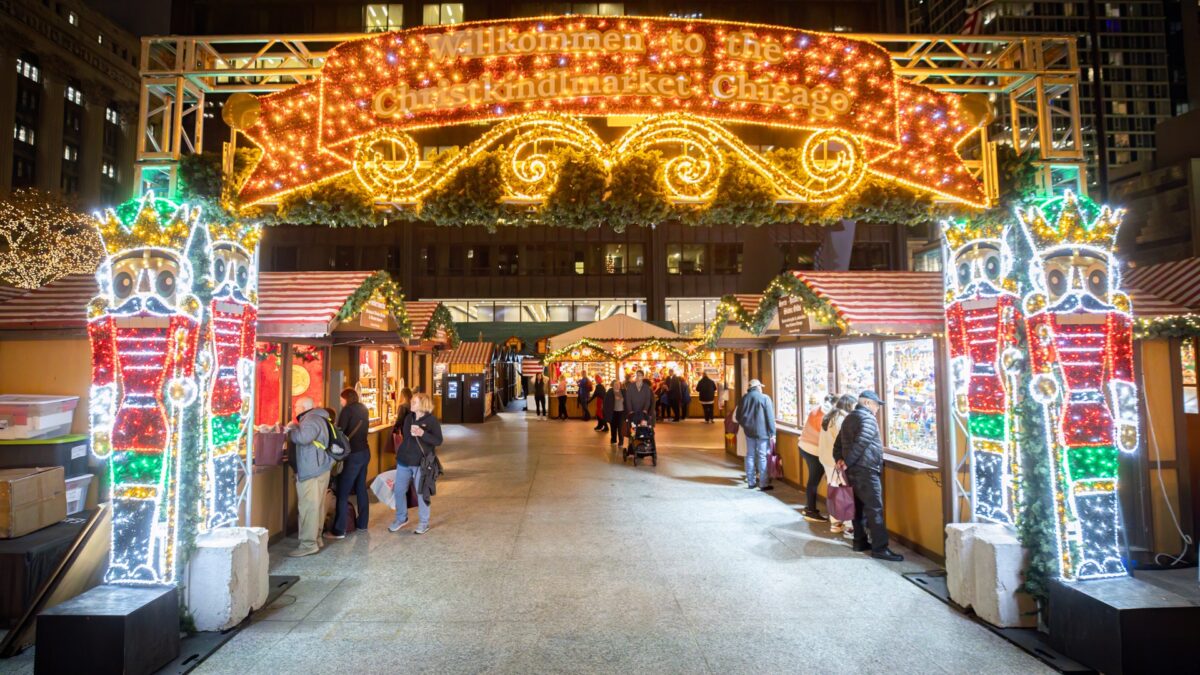
A Christmas market trip is one of the easiest ways to make the holidays feel like an event instead of a to do list. You wander between little wooden huts strung with lights, wrap your hands around a warm mug, nibble a pretzel or roasted chestnuts, and shop for ornaments somebody actually made. It works as a single evening, a cozy weekend or a full week in Germany and Austria, and the planning is where the magic is won or lost. This guide pulls together advice from travel creators who have walked dozens of markets, so your visit feels like a postcard instead of a queue.
Why a Christmas market trip is on so many calendars this year
Travelers are already circling dates. HomeToGo’s 2026 holiday travel report found that searches for stays in Leavenworth, Washington, during Thanksgiving week were up 347 percent year over year, the biggest jump in the country for that holiday. Leavenworth is a Bavarian themed village famous for its lights. The same report has Strasbourg, France, one of Europe’s classic market cities, up 69 percent for Christmas week. On YouTube, a search for Christmas market videos uploaded in the past month returned 176 market videos from 153 different channels in its first 300 results, from long, slow walking tours of Colmar and Nuremberg to packing lists and itineraries.
Pick your scale: one evening, one weekend or one week
Not every great market needs a passport. Camden David, who has filmed markets in several European countries, ends his tips video at a Christkindlmarket in the United States and suggests looking for one near you, because these markets “do a fantastic job trying to replicate the experience that you get when going to Europe.” Chicago’s Christkindlmarket, which started in 1996, is the best known, and plenty of towns run their own German style markets for an easy evening out.
A weekend suits a Christmas town. Through My Lens spent two days in Leavenworth, about a two hour drive from Seattle, with three generations of family: sledding under a tree lit like a candy cane, a horse drawn sleigh ride, a reindeer farm and carolers in the evening streets. The verdict was that it “feels right out of a Hallmark movie.” Winter driving is part of the plan there, since the mountain passes can close or require chains.
For Europe, Christina of Happy to Wander, who says her advice comes from 10 years of Christmas market experience, recommends at least 10 days if you are flying in from overseas, so you have “enough time to get over the jet lag.” First timers who want the most traditional experience should stick with Germany and Austria, she says, and choose a handful of base cities for at least three nights each, with day trips to smaller towns. Her reasoning is easy to relate to: “if you have to unpack every day, that’s just not the magical festive vibe that we’re looking for.” The density helps. Feli, a Munich native who runs the Feli from Germany channel, says Germany alone hosts more than 3,000 Christmas markets a year, and Munich by itself has over 20, from a medieval market where drinks come in goblets to a circus themed one.
Plan your Christmas market trip around dates, not just places
Here is the trap both Camden and Christina warn about: market dates are not uniform. Most big cities have several separate markets, and Camden points out that Brussels alone might have “four or five even six different holiday markets,” each with its own schedule. Christina says to “triple-check any dates that you find online,” because some third party sites just change the year on old listings. Both creators send you to the official market website or the local tourism board instead.
- Watch for hidden closures. Christina notes that most markets close on Christmas Eve or Christmas Day even when their listed dates run past it, and in Germany, markets that open early close for Totensonntag, the Sunday of the Dead, which falls on November 22 this year.
- Read the fine print on small markets. Some village markets open only on weekends.
- Search in the local language. Christina suggests running market names through Google Translate and checking the local language version of official sites, which is “often more thorough and more up to date than the English version.”
- Go early in the season. “The earlier in the season you go the less busy it’s going to be,” Christina says, and she advises against planning a trip close to Christmas Eve.
Book the few things that sell out
Entry to most markets is free. Feli says they “generally don’t have a cover charge,” so it is tempting to plan nothing. The extras are what sell out. Through My Lens started looking for a Leavenworth sleigh ride about a month and a half ahead and found nearly every company already booked for their date, then found a ride at a ranch outside town. The reindeer farm had two tickets left when they checked that day.
Christina’s list of things to reserve early includes special seating areas, workshops, popular festive pop up bars and, above all, your room, since market season is peak season. She likes hotels with a staffed front desk, so you can drop your bags before check in and use every hour of short winter daylight. In Europe she advises against a rental car and favors trains. In Germany, regional day tickets cover unlimited regional train rides within one state for a flat price, which makes hopping between town markets easy.
Time your visit like a local
Every creator here warns about crowds, and the calendar and the clock can fix most of them. Camden suggests arriving around 2 p.m. and staying a couple of hours, so you get the calmer daytime market and then the lights as darkness falls. His advice: “don’t sleep on the daytime.” Christina suggests shopping in daylight, when there is “more room to browse,” and coming back at night for the atmosphere. In Leavenworth, locals told Through My Lens that December weekends are “packed with people and it’s hard to find parking,” and weekend waits to eat can stretch to an hour or two.
Popular markets can even limit entry. Last season, Chicago’s Christkindlmarket announced that the city had capped the market at 1,553 visitors at a time, less than half its 2021 limit, so a weekday afternoon is your best bet for walking straight in.
Your first hour at the market
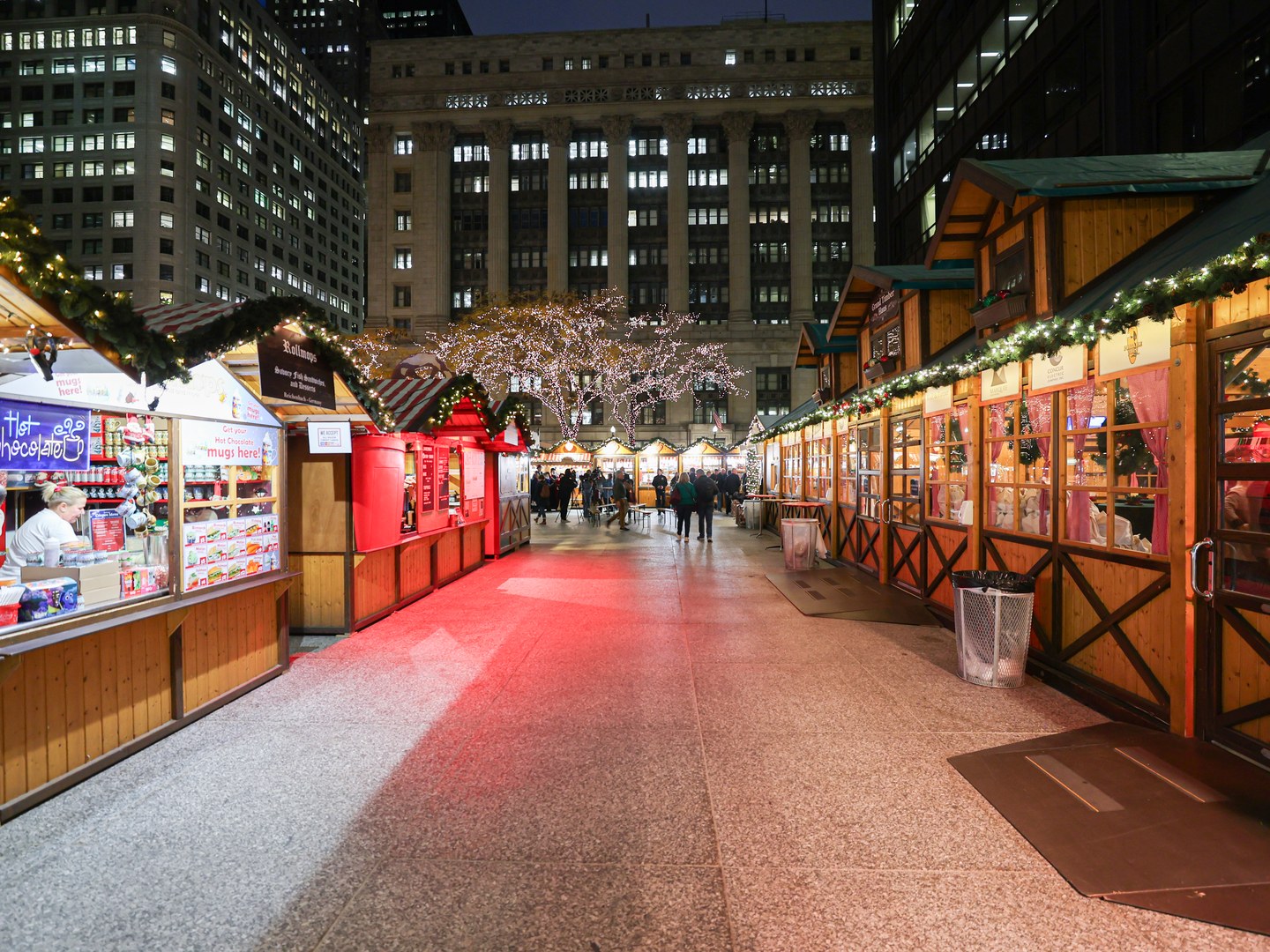
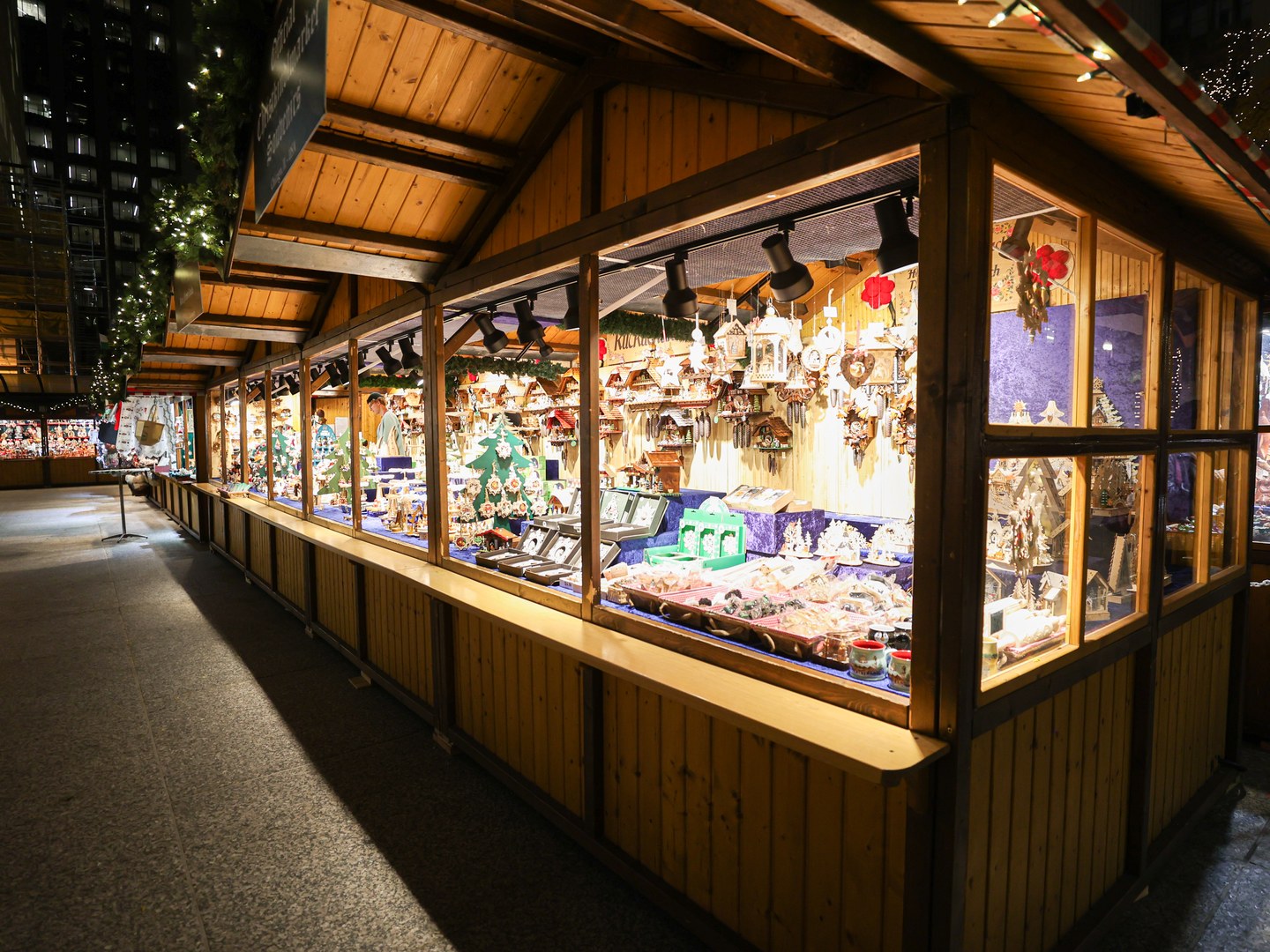
- Take a lap before you buy. Camden calls a first visit “sensory overload,” and both he and Christina recommend walking the whole market before spending. Prices differ from stall to stall, and a lap helps you spot mass produced items that “tend to appear over and over across stalls,” as Christina puts it. If buying local matters to you, Camden says to check the tags and talk to the makers.
- Read the price sign twice. Camden admits he has overpaid for food more than once because some prices are listed per unit of weight in small print.
- Carry small cash. Camden notes that market restrooms often cost a euro, and Christina says “cash is still king at European Christmas markets.” Hot drinks usually come with a deposit on the mug, typically 3 to 5 euros according to Feli. Keep the mug as a souvenir or hand it back for your deposit.
- Plan to stand and chat. There is little seating, and people gather around tall tables. For Camden, “the market itself that is the entertainment,” so share your table and talk to your neighbors.
- Pick a meeting point. Christina recommends setting one with your group in case anyone gets separated, since phones can lose signal in a loud crowd.
Pack for hours outside
You will be standing on cobblestones in cold, often damp weather, ducking in and out of warm shops. Christina’s packing rules are simple: thin layers instead of bulky ones, one waterproof coat with a hood and an inner pocket for valuables, warm boots with real grip, because “those European cobblestones are no joke,” a tote bag for small purchases, and wipes for sticky fingers. Her favorite trick is a big scarf: “Think of it as a fashionable bib for catching spills and incidents.” Camden adds the one everybody forgets. Leave room in your luggage for ornaments and mugs, or you may end up paying for an extra bag on the way home.

Leave room for wandering
Pick your scale, confirm dates from official sources, reserve the few extras that sell out, and then leave plenty of unscheduled time to drift between the huts with something warm in your hands. If you are mapping out the rest of the season, our winter arc plan for your free time pairs nicely with it, and our guide to leisure planning covers the bigger picture.
Watch: three Christmas market trip planning guides
Camden David shares 16 lessons from years of European markets, from mug deposits to why daytime visits beat the evening rush.

Christina of Happy to Wander runs through dates, transportation, packing and market strategy for first time visitors to Europe.

Through My Lens takes three generations of family to Leavenworth, Washington, for sleigh rides, reindeer and an evening of lights.