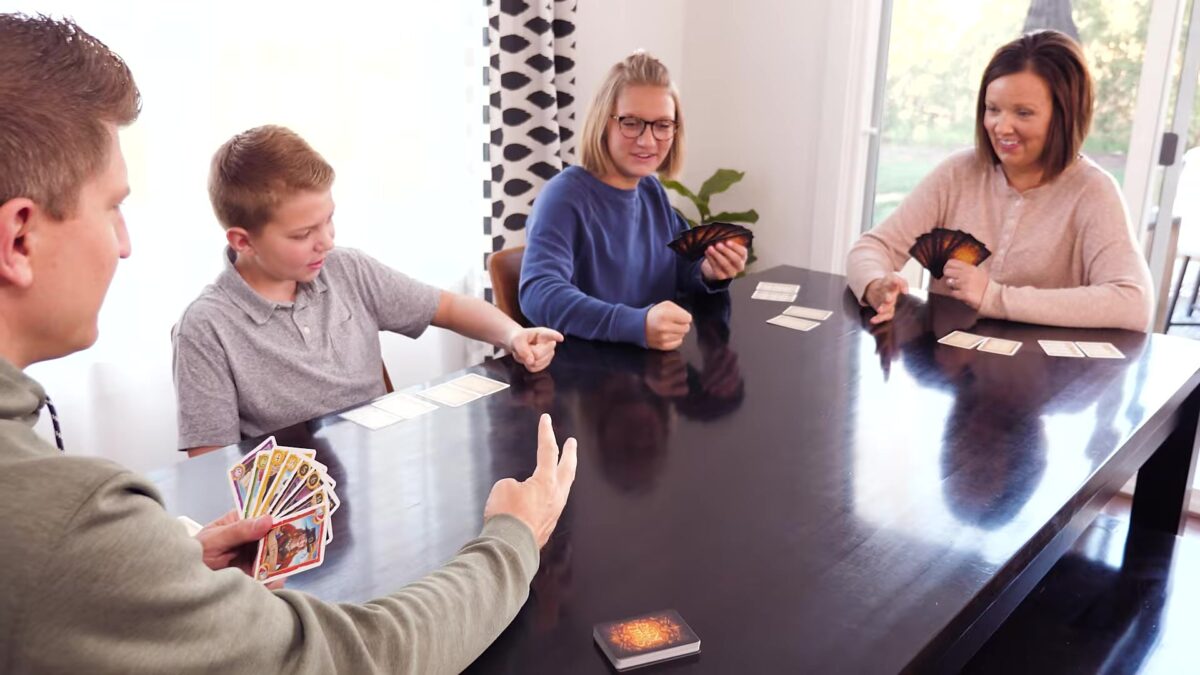
Imagine six friends pounding the table in unison, shouting yo ho ho, then flashing fingers to show how many tricks they plan to win. That is the moment Skull King hooks a new table.
The big takeaway? Teach the classic deck, let the tiny first rounds do the explaining, and drill one rule: bid exactly what you will win. Here’s how to run that first night.
Set up Skull King for an easy first game
Here’s the thing: the box holds more than a first game needs.
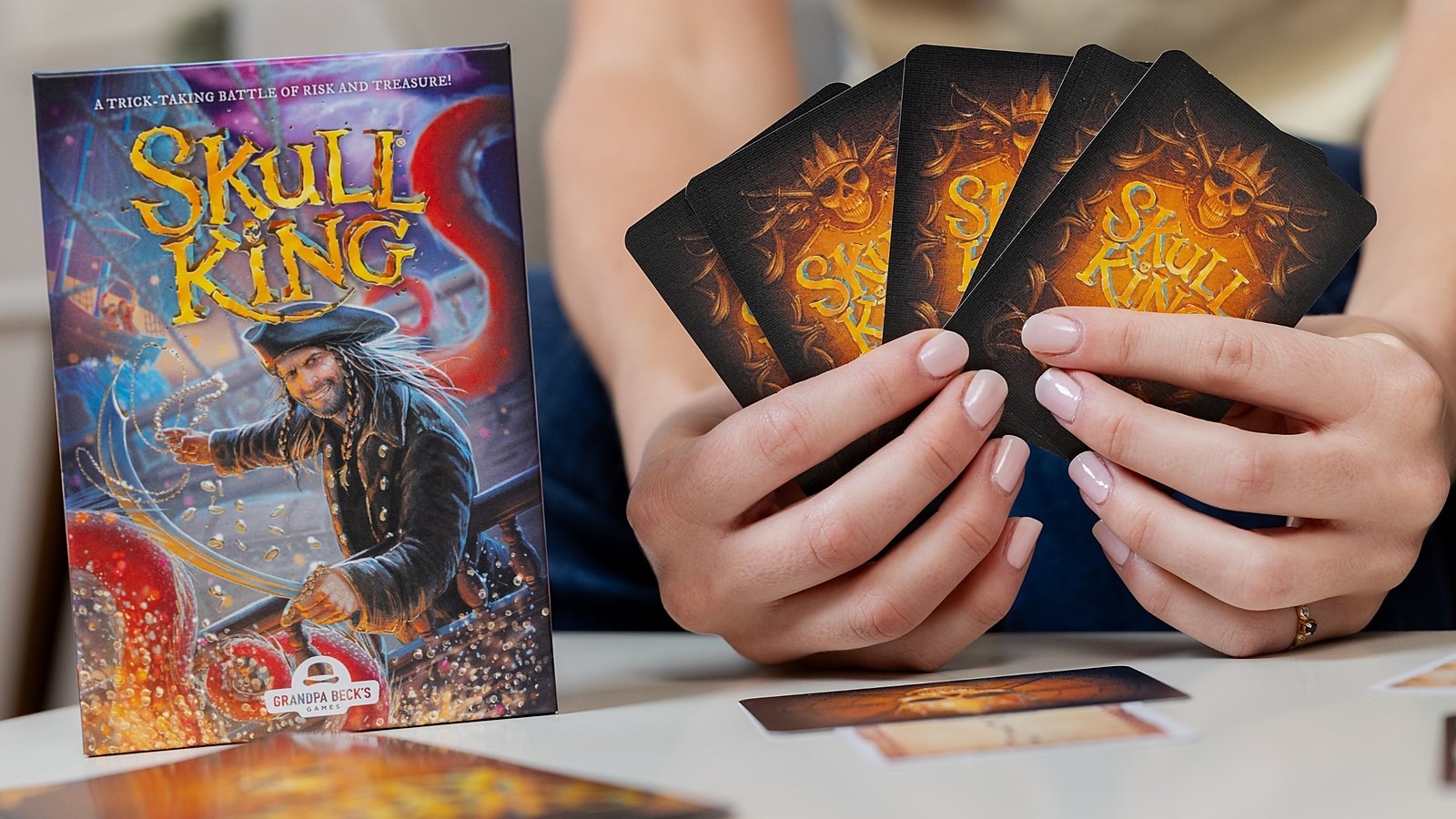
The publisher, Grandpa Beck’s Games, tells first time players to remove the blank cards, mermaids, loot cards, the kraken and the white whale. Hand out the bid reminder cards, then shuffle.
Brandon of the Brimley Games channel suggests capping the table at six with new players. Choose one scorekeeper and hand over the score pad.
Teach the cards from lowest to highest
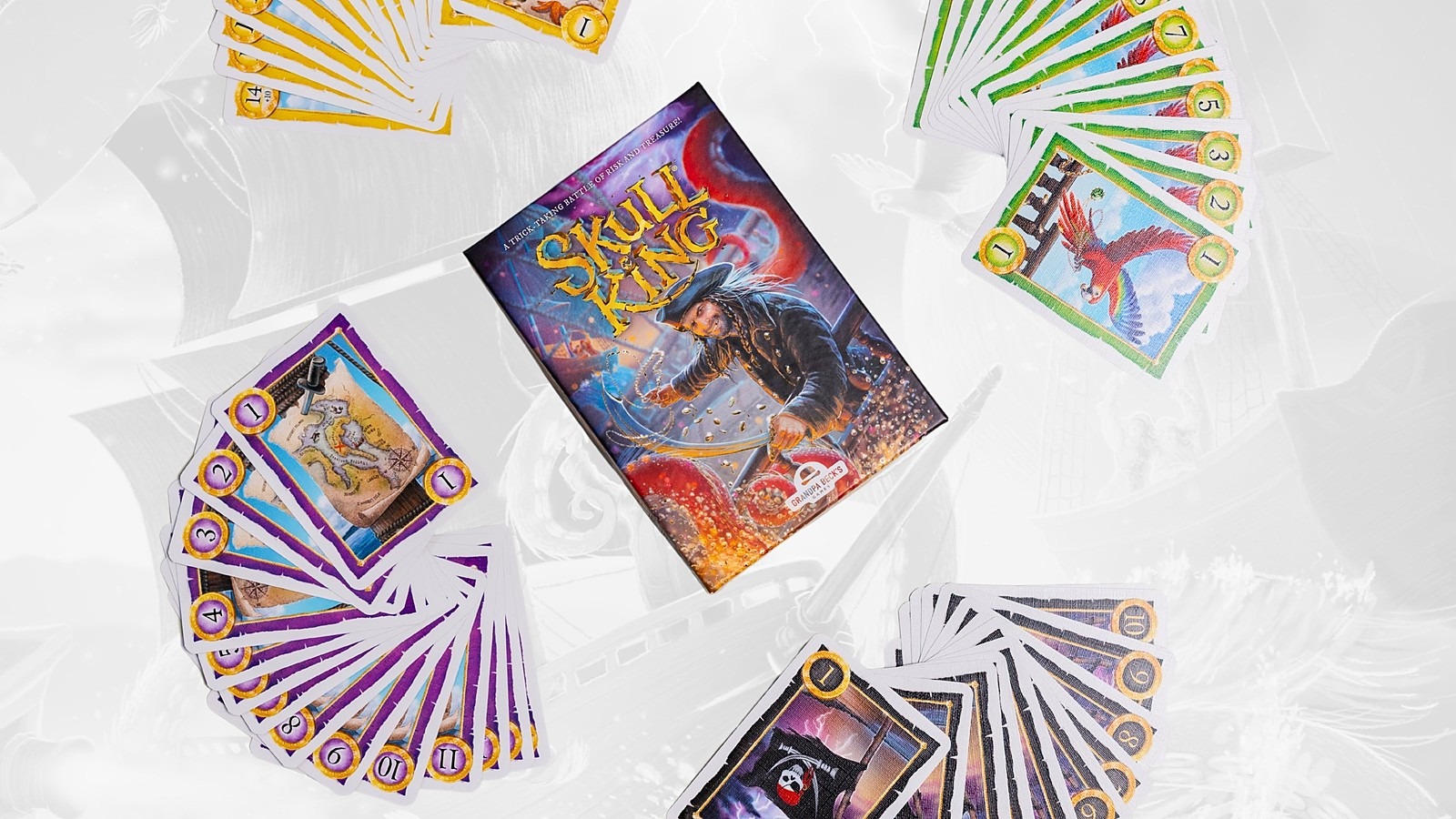
Skull King has four suits numbered 1 to 14. Green parrots, yellow treasure chests and purple maps are standard. The black Jolly Roger suit is trump.
The first numbered card sets the suit. Follow it if you can. An off suit number always loses, but any black card beats a standard one.
Special cards can be played at any time:
- Escape. The lowest card. It almost always loses the trick.
- Pirates. They beat every numbered card. If two land in one trick, the first wins.
- Tigress. She counts as a pirate or an escape. You choose.
- Skull King. He beats every pirate and every numbered card.

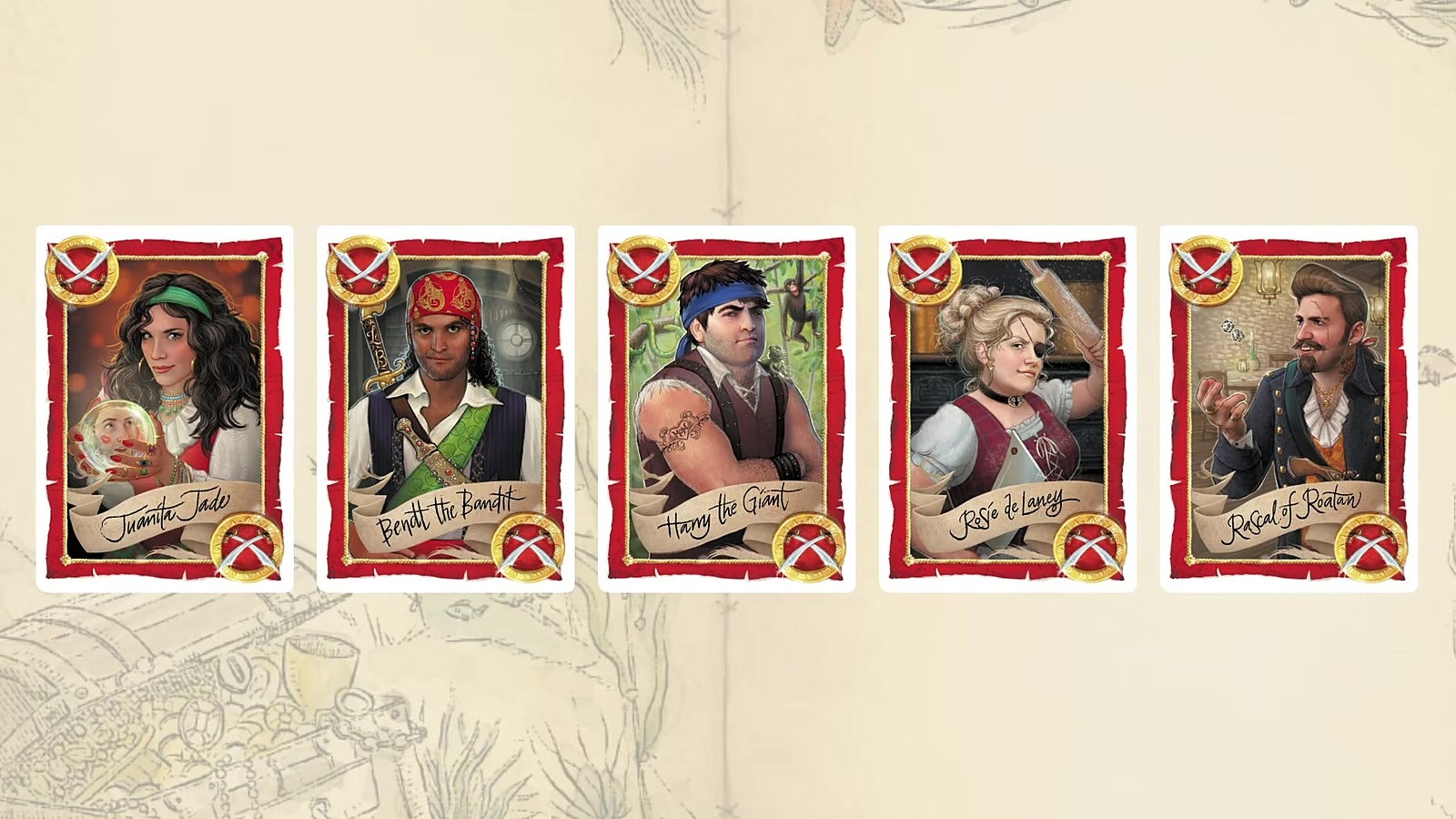
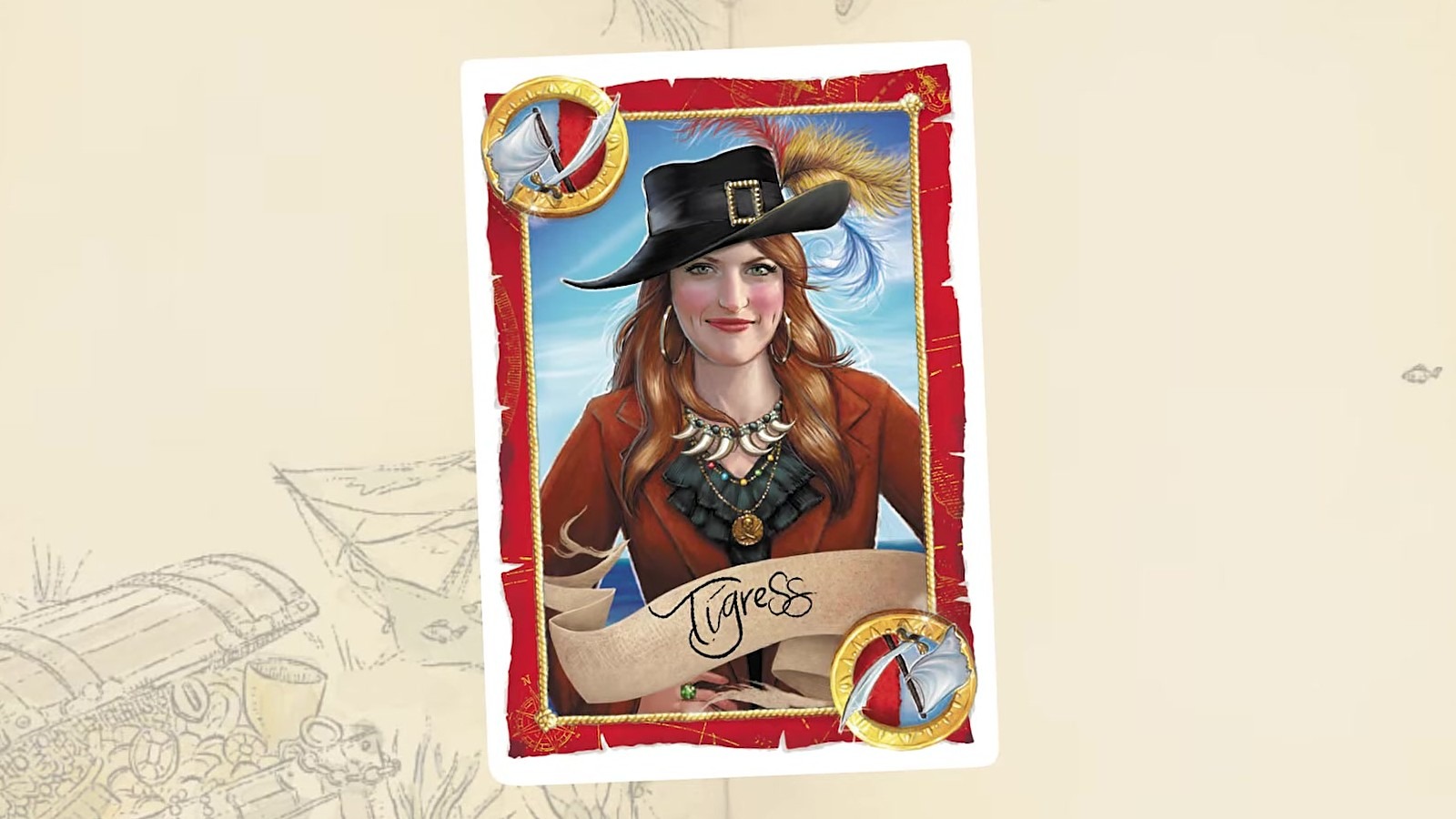
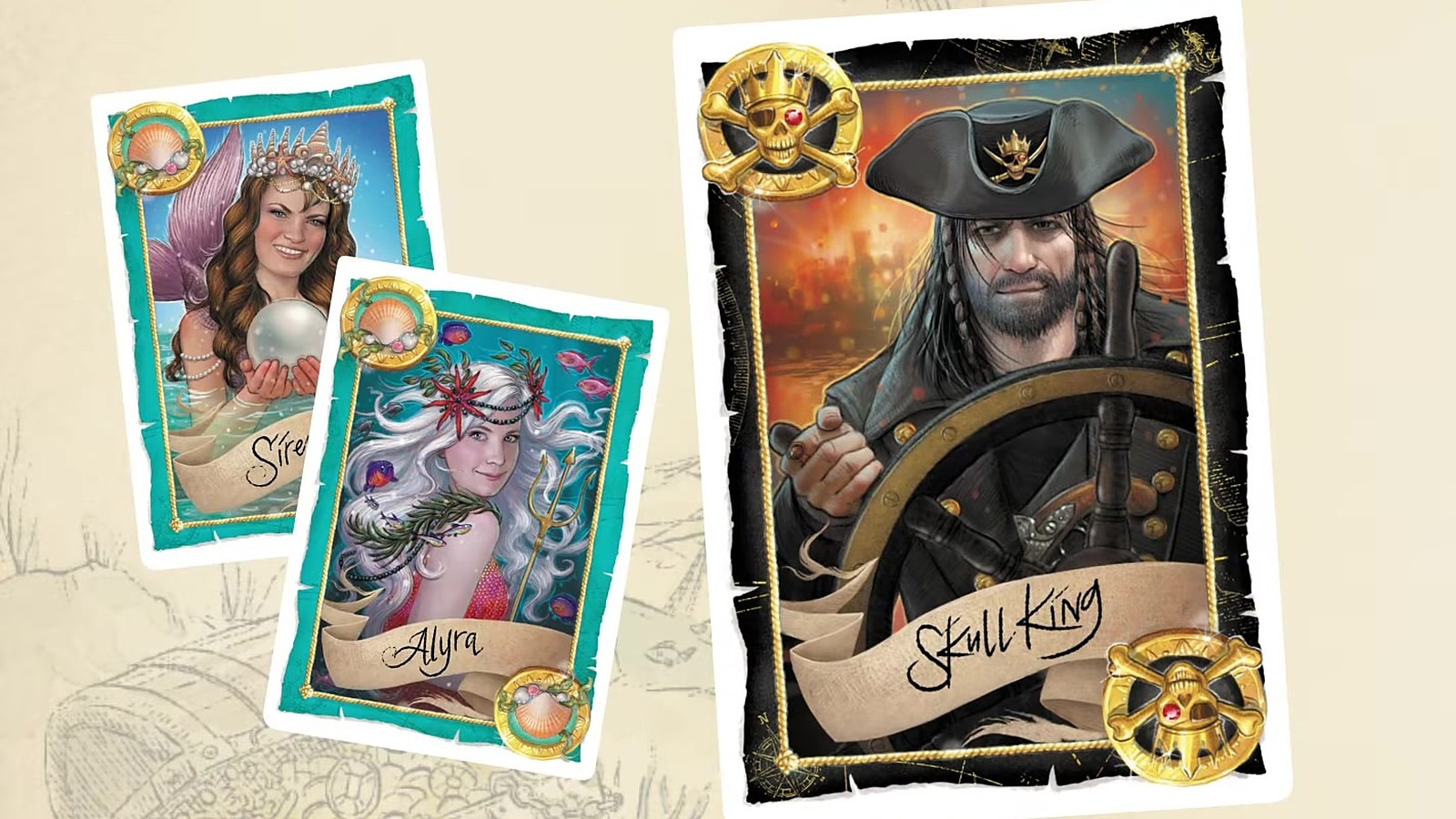
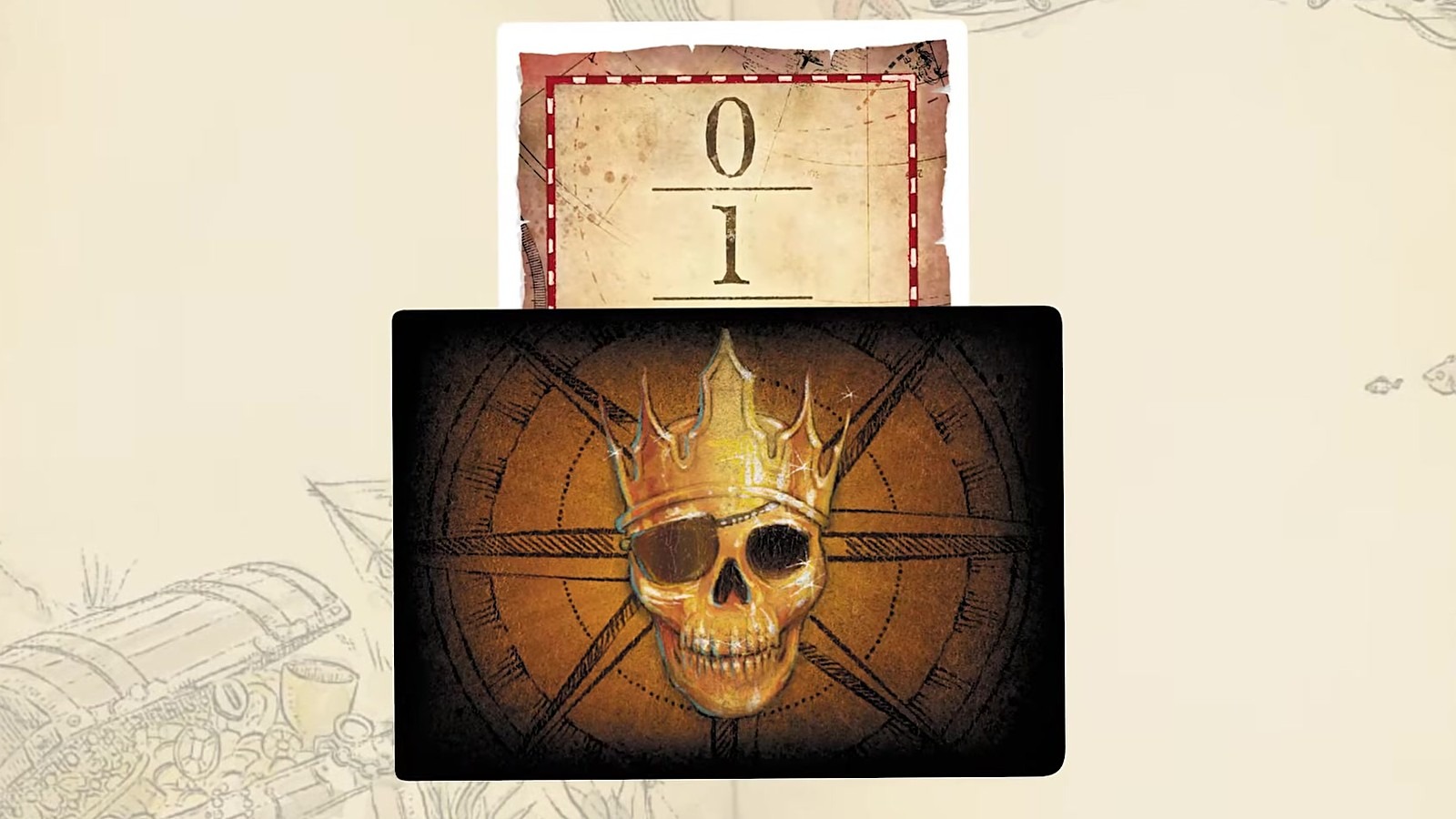
Your first three Skull King rounds
The best part? The game teaches itself. Round one deals one card, round two deals two, and so on up to ten.
Jamey Stegmaier of Stonemaier Games says this ramp “really helps the learning curve of the game” and keeps the stakes low.
In round one, everyone bids zero or one on a single card. Pound the table three times on yo ho ho, show fingers or a fist for zero, and set your bid reminder cards to match.
Use round two to practice following suit, and round three to show how an escape dodges an unwanted trick.
The bidding mistakes beginners make
But there’s a catch. A strong hand is not the same as a good bid.
- Ignoring table size. The publisher’s video advises bidding higher in small groups and lower in large ones, where more powerful cards are in play.
- Treating zero as safe. A correct zero bid earns 10 points times the round number. Take one trick and you lose that amount.
- Giving up after a miss. Stegmaier notes you lose only 10 points per trick you are off, so keep steering toward your number.
- Forgetting the 14s. Each 14 you capture adds a bonus, but only when you hit your bid.
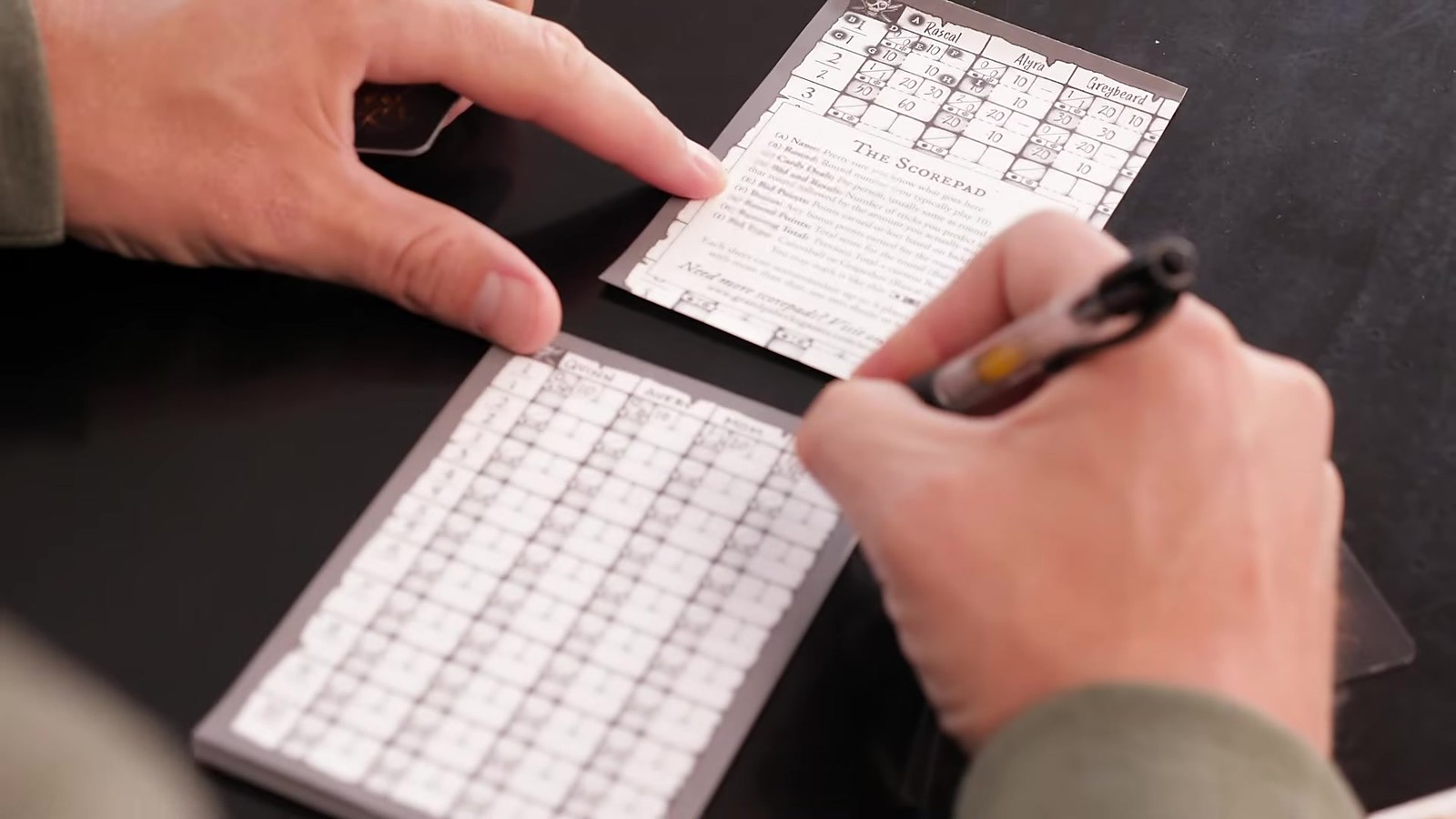
Keep score without the stress
Hit a bid of one or more and earn 20 points per trick. Miss, and lose 10 points for each trick you were off.
For a gentler table, try Rascal scoring, which the publisher calls a “kinder and gentler scoring option.”
Why Skull King is worth teaching
Mark Iradian of Meeple Mountain rated the game Good and found it “easy to teach, not intimidating, and offers meaningful choices.” His verdict: highly recommended for classic card game lovers.
He also calls the game “very swingy,” which keeps trailing players in the hunt.
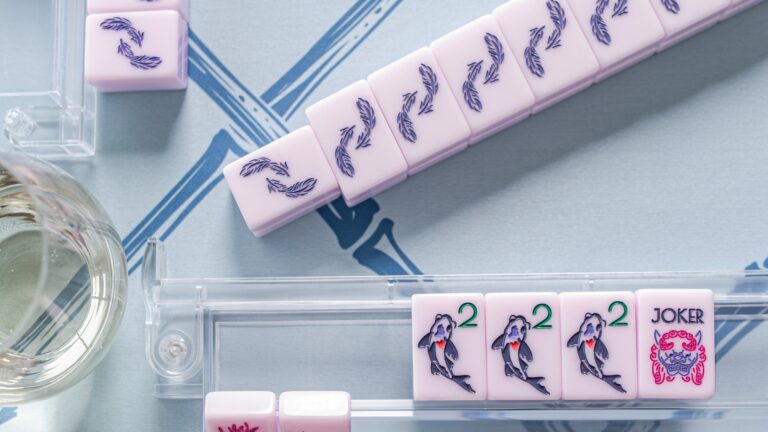
Love a social table game? Try our guide to American mahjong for beginners.
Once the basics click, add the mermaids. The publisher says they alone can beat the Skull King.
Watch: Learn Skull King before game night
Grandpa Beck’s Games walks through the classic rules, from setup to scoring.

Brandon of Brimley Games covers every card, both scoring systems and the score pad in detail.

Jamey Stegmaier of Stonemaier Games explains why the growing hands make Skull King easy to learn.