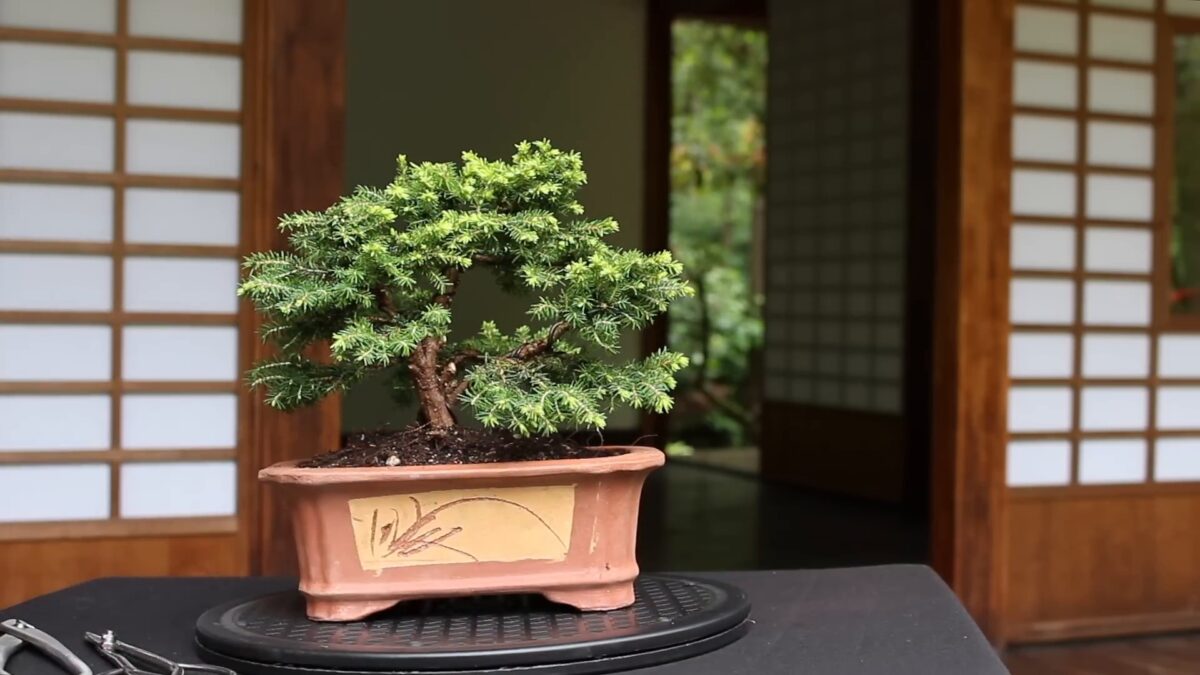
Bonsai for beginners sounds intimidating, but the hobby is gentler than its reputation. Jelle Ferwerda, a bonsai teacher who runs the Growing Bonsai by Jelle channel, says a bonsai is “not much more than a tree in a pot.”
Here’s the thing: the pot is the easy part. The art is choosing the right tree, shaping it and keeping it happy where you live.
Bonsai for beginners starts with where the tree will live
Before you choose a species, choose a spot. A sunny windowsill and a garden terrace call for very different trees.
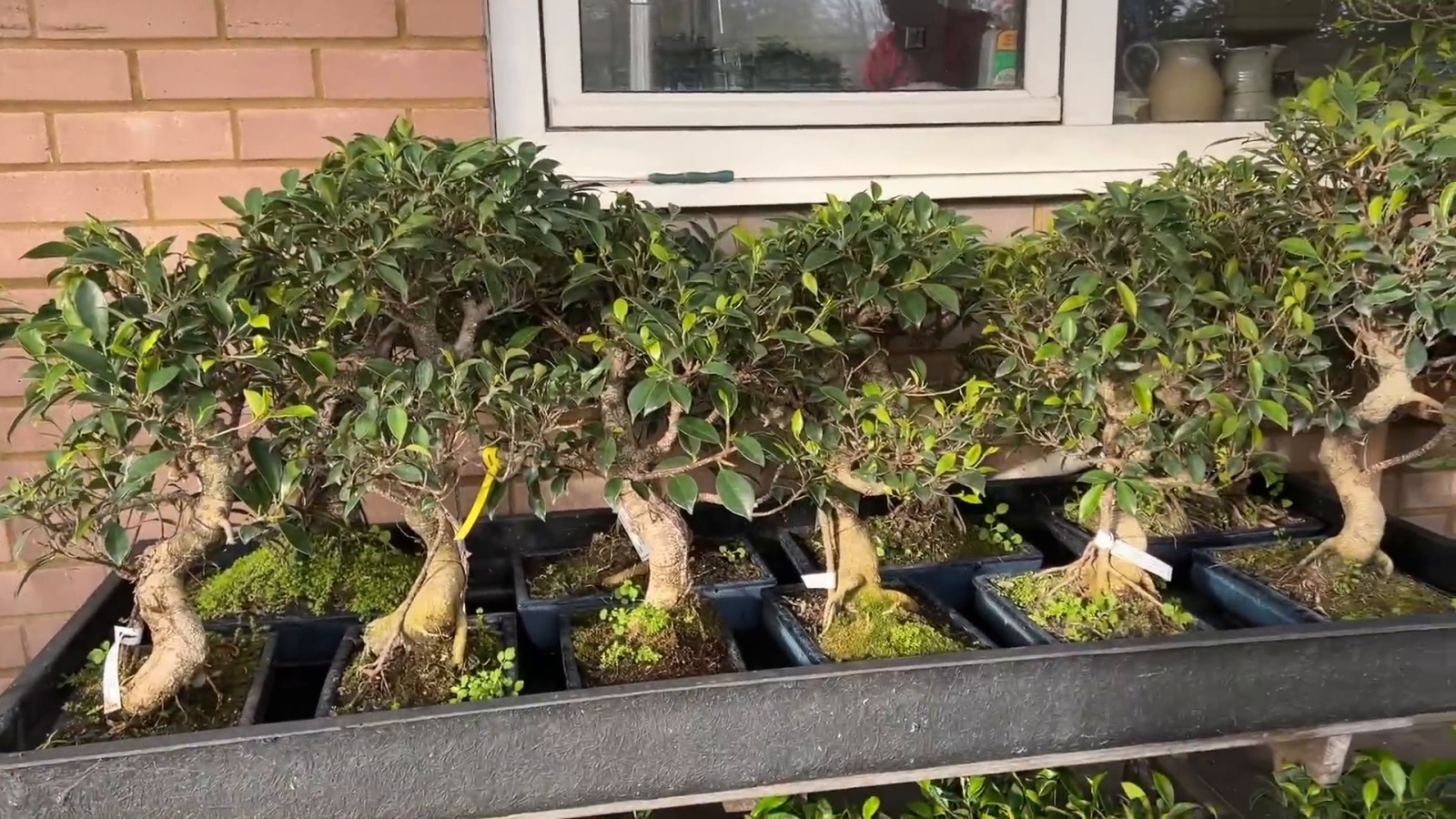
Peter Chan, who founded the Herons Bonsai nursery in England in 1986, calls the ficus “the easiest and simplest bonsai for a beginner” indoors. It is a true indoor tree, so it copes with ordinary room temperatures.
But there’s a catch. Chan warns that most other trees sold as indoor bonsai, including the Chinese elm, really want a cool room, not a warm living room.
Have a garden, balcony or terrace? Chan says “almost any outdoor bonsai is easy,” from Japanese maples to junipers and pines. Hardy trees stay outside all year, with shelter in very cold winters.
Ferwerda adds one rule: choose something suited to your local climate, and skip bonsai seed kits. No species is a bonsai by nature.
Start with nursery stock and a good trunk
The best part? Your first tree can come from a garden center. Bonsai Empire, the online bonsai school, built its demonstration around a five year old spruce bought at one.
Ferwerda checks three things before buying: roots that spread evenly around the base, a trunk with some taper and movement, and small leaves or needles that take pruning well.
Prune with a plan
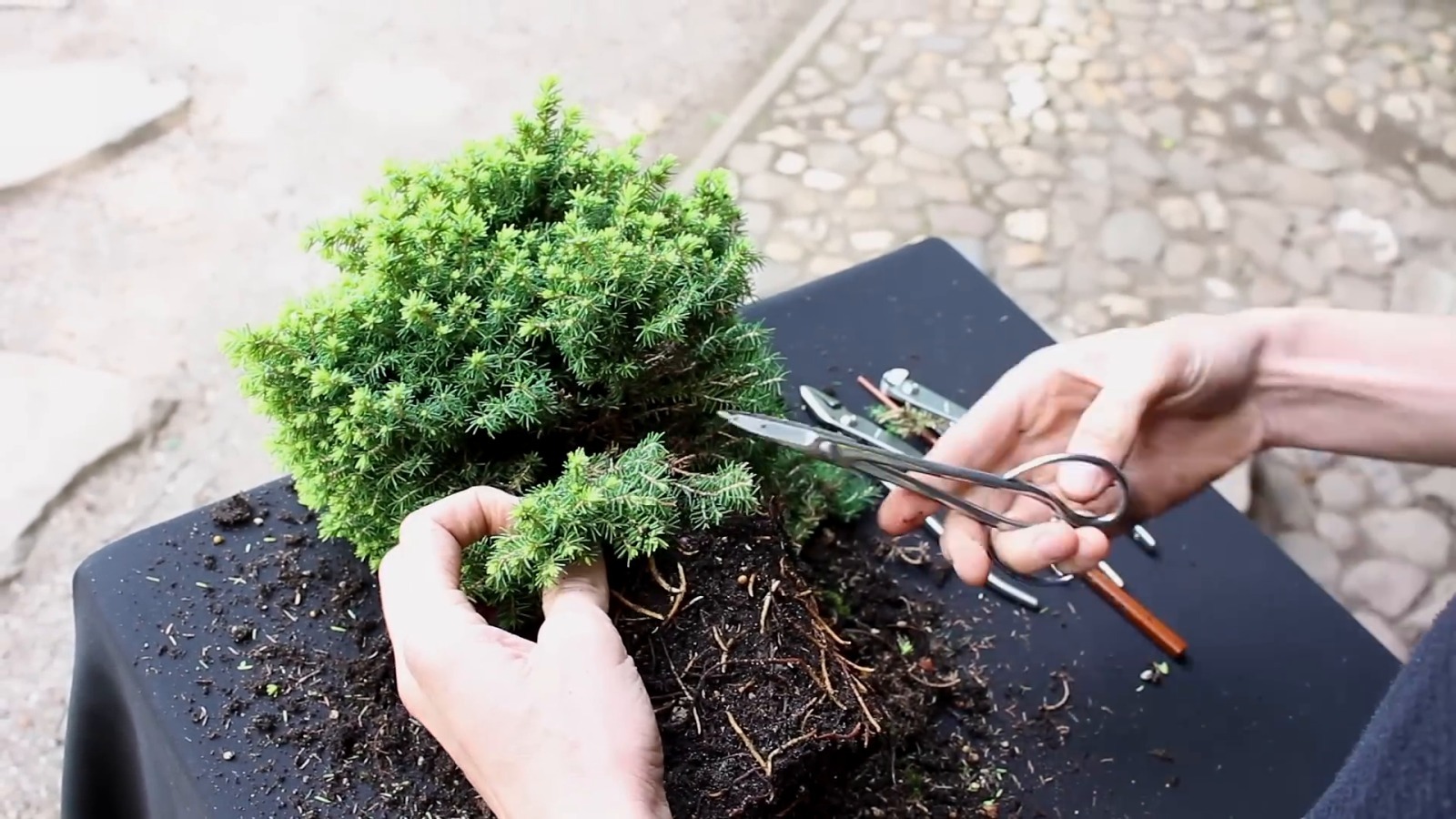
Brush away the top layer of soil to find where the roots flare, then clear out dead twigs. Both clues help you choose the front.
Next comes the creative part. Bonsai Empire aims for the first branches at about one third of the trunk height, then removes lower branches, branches that cross the trunk and heavy upward shoots.
Pace yourself. Bonsai Empire says you can safely remove up to a third of the foliage in one session.
Ferwerda keeps tool advice short: buy sharp scissors that cut cleanly instead of crushing.
Wire the branches into shape
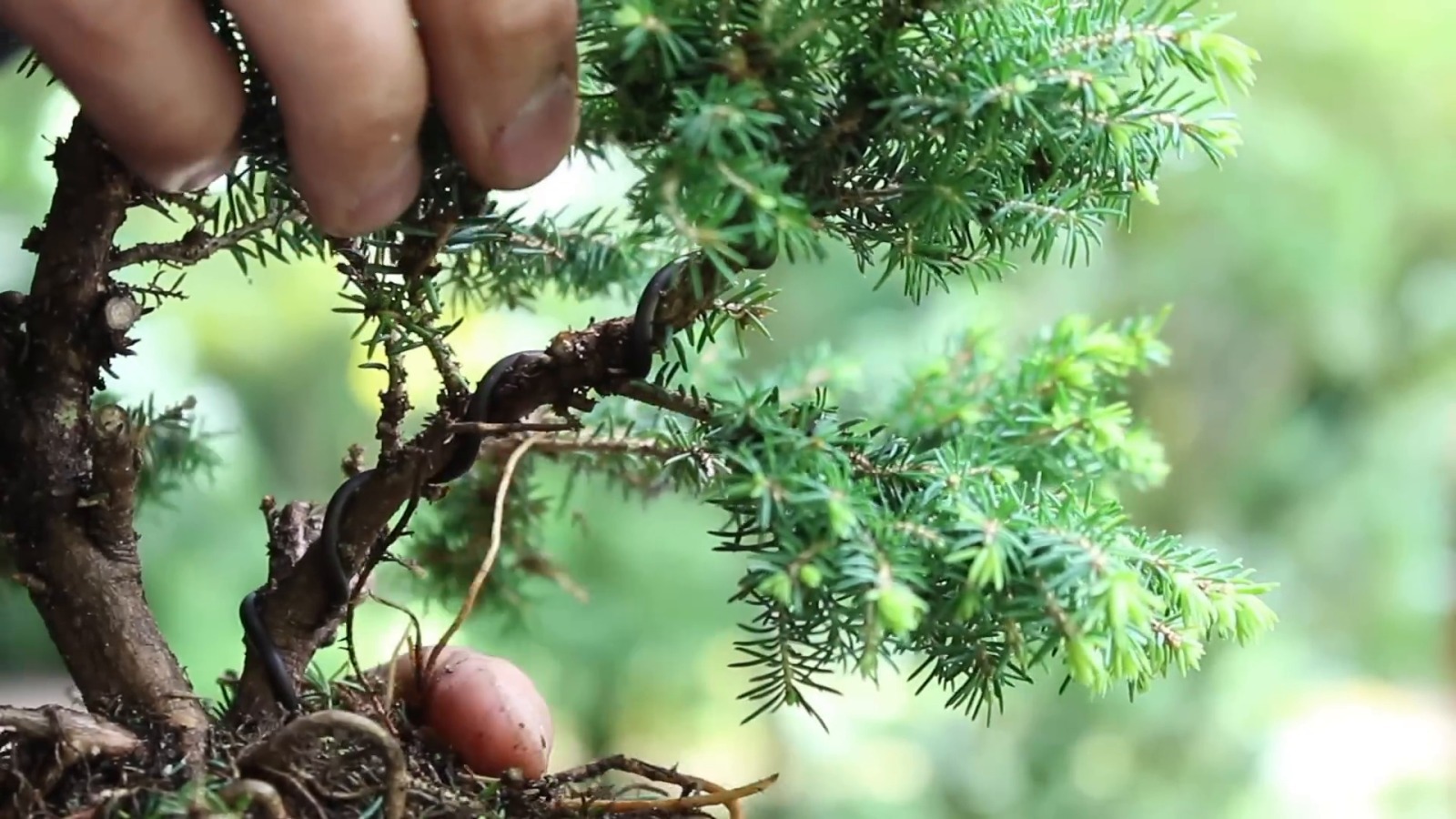
Wire is how a young tree starts to look old. Wrap it at about a 45 degree angle, using wire roughly one third to half as thick as the branch.
Bonsai Empire runs one piece across two branches, with at least one turn around the trunk for stability. Then bend each branch gently into place, working upward.
Pot it now or next spring
A proper bonsai pot needs at least one drainage hole covered with mesh. Ferwerda grows most of his trees in a free draining mix based on lava rock and pumice.
On a first styling session, Bonsai Empire suggests waiting until the next early spring to repot, so the tree recovers from pruning and wiring.
Keep your first tree thriving
Afterward, give the tree about a month in shade. Check the wire often, since branches thicken and wire can scar them, and plan to remove it in three to four months.
Ferwerda feeds with ordinary potted plant fertilizer, a little weaker than the label suggests. Tropical trees that summer outdoors should come inside once nights fall to about 40 degrees Fahrenheit.
Most of all, begin. As Ferwerda puts it, “without a tree you’re not doing bonsai.” Branches regrow, and every tree teaches you something.
Watch: Start your first bonsai
Ferwerda’s overview covers species, tools, soil and the main techniques.

Chan walks through his nursery to show the easiest indoor and outdoor trees.

Bonsai Empire styles a garden center spruce from start to finish.