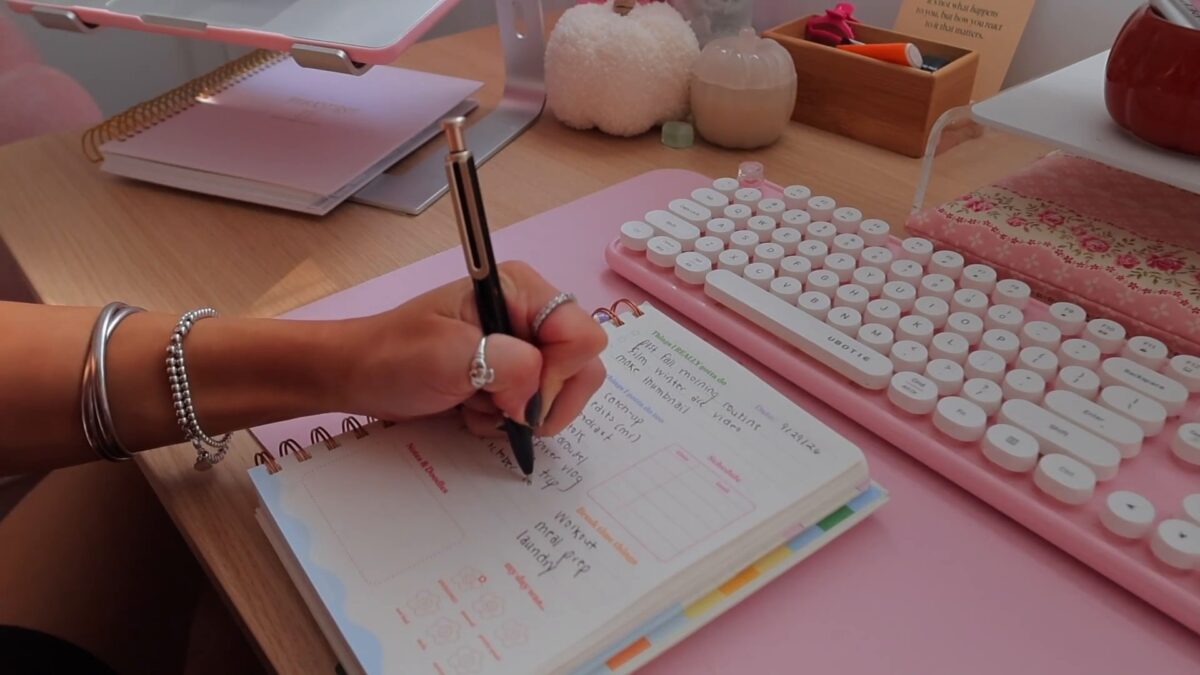
The winter arc is back on your feed: dark hoodies, early alarms, and creators promising you will be “unrecognizable” by January. Strip away the aesthetic and it is a planning idea, and a decent one. Treat October through December as a defined season with a few clear goals, so you start the new year already moving. From mid October there are about 76 days left in the year, roughly 11 weeks. That is late for the grind version and right on time for a better one: a winter arc plan for your free time that you take as seriously as your workouts.
Why the winter arc keeps coming back
The trend has a clear origin story and a predictable calendar. Switzerland’s Neue Zürcher Zeitung traces the modern version to a viral September 2024 TikTok from creator Carly Berges and notes that Google searches for “winter arc” have peaked in early October each year since. This year the wave looks bigger. A JD Sports study released on October 6, 2026 found that French Google searches for the term jumped 383 percent in a month, and Meltwater’s social listening data showed #winterarc climbing six places in TikTok’s fitness hashtag rankings the same week. In India, coverage this month has described it as Gen Z’s answer to New Year’s resolutions, now stretching well past fitness into reading, sleep, and spending less time online.
The useful part is that there are no official rules. Everyone is designing their own arc, so you can design one for leisure instead of borrowing a stranger’s 5 o’clock alarm.
What three creators agree on, and where they split
Three popular winter arc guides on YouTube come from very different places, and comparing them is more useful than following any one of them.
LenaLifts opens her 2024 guide, now past a million views, with the line “our new January 1st is October 1st.” Her first rule is restraint: start with five goals, not a hundred, because “we aren’t robots.” She tracks habits daily but frames misses as normal, since the point “is not striving for perfection, it’s progress.” Leisure shows up mostly as a reward: when you hit a goal, treat yourself to “a little movie night” or a new book.

ABBY opens her complete guide with an audit before any goal setting. Her first question is simply “what am I spending a lot of time on,” followed by honest checks on the phone, takeout, and the people you spend time with. Her plan breaks big goals into about 30 minutes of daily work, and her own list includes a weekly art class she signed up for “so that I forced myself to sit down and feed my creativity.” She closes by telling viewers to “add a habit little by little” if the full routine feels like too much.
Sophie DiLoreto posted the softest version on October 2, 2026. She sorts her arc into six pillars: body, work, mind, environment, life, and self. The life pillar is the one most plans skip. She defines it as “actually having a life outside of your work and school,” and her goal there is “one fun thing every week, a fun seasonal activity, something on my bucket list.” She pairs it with a hard cutoff time for work, then spends the evening on a walk, journaling, and reading instead of scrolling.
Put side by side, the overlap is striking. All three keep the goal list short, write it down, track it, clean up their environment, and fight the phone. The split is intensity. Lena wants you to “embrace the cold” and treats the season as “transformation, not hibernation.” ABBY’s day starts at 6 and runs on a tight schedule. Sophie’s version is gentler and builds rest into the plan.
The leisure gap in most winter arcs
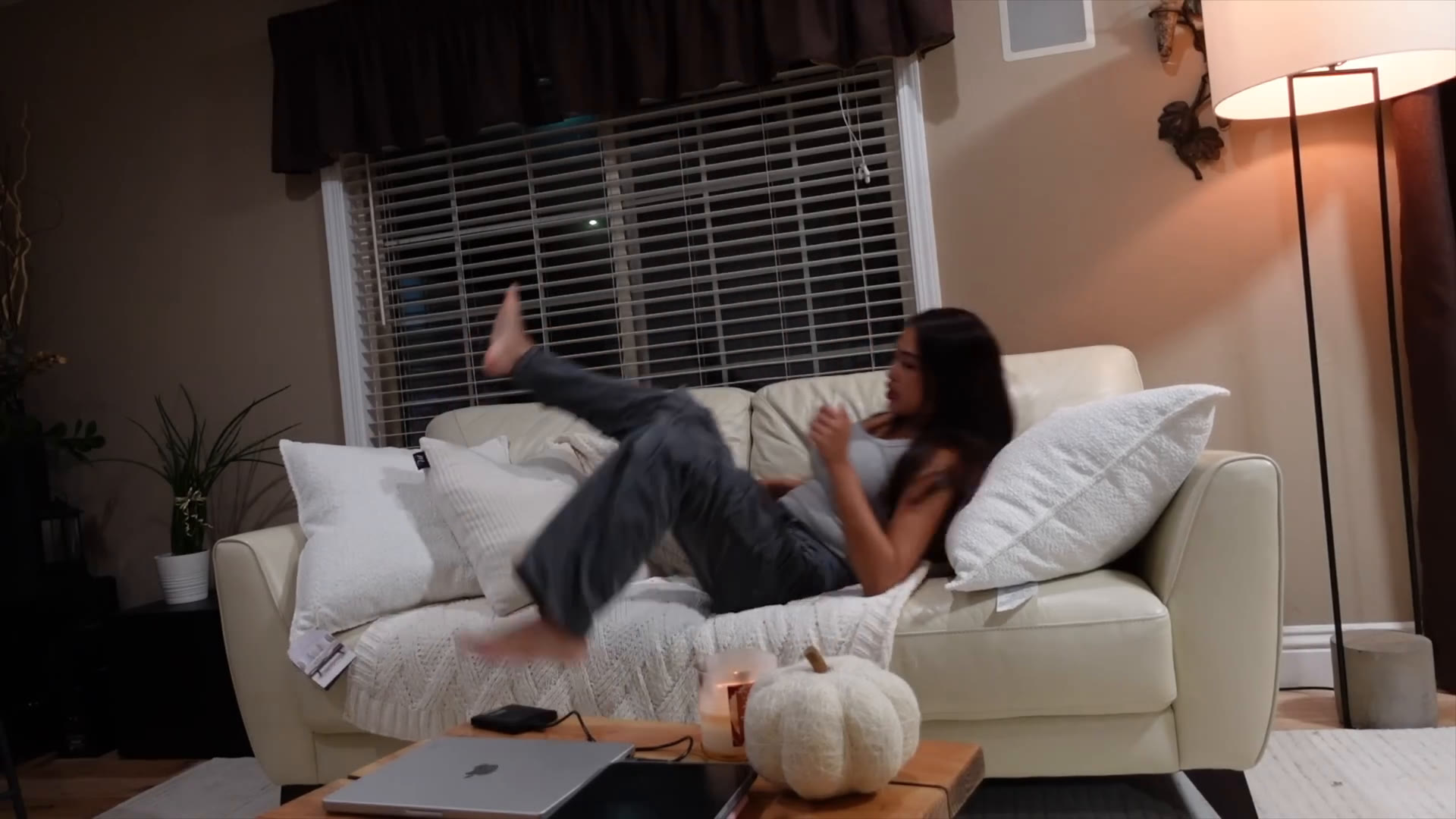
Here is the weak spot. In most arcs, leisure is either a reward you earn or something you are told to cut. That makes it the first thing to disappear when a week goes sideways, which is exactly backward. The hobbies, outings, and slow evenings are what make a dark season feel worth living, and they are habits too.
The timeline also matters. A 2024 systematic review of habit formation research found median times of 59 to 66 days for health habits to become automatic, with huge individual variation from 4 to 335 days. Eleven weeks is enough runway to get a new routine started, not a guarantee it sticks. So choose behaviors you would actually want to keep in January, not ones you can only survive until New Year’s Eve.
Build a four-line winter arc plan
Borrow Lena’s cap and keep it to four or five lines. A good leisure arc covers four jobs:
- One skill hobby, same slot every week. This is ABBY’s art class move: put something creative or social on the calendar as an appointment. Sketching, a pottery class, a game night, or a movement practice like rope flow all work.
- One seasonal outing per week. Sophie’s rule, adapted. A corn maze, a holiday market, a lights drive, a first snow walk. Small counts.
- One daily low-energy default. The thing you reach for instead of the phone when you are tired: ten pages of a book, a jigsaw puzzle on the table, a short walk after dinner.
- One rest rule. A hard stop for work, the phone charging outside the bedroom, or one evening a week with nothing planned at all.
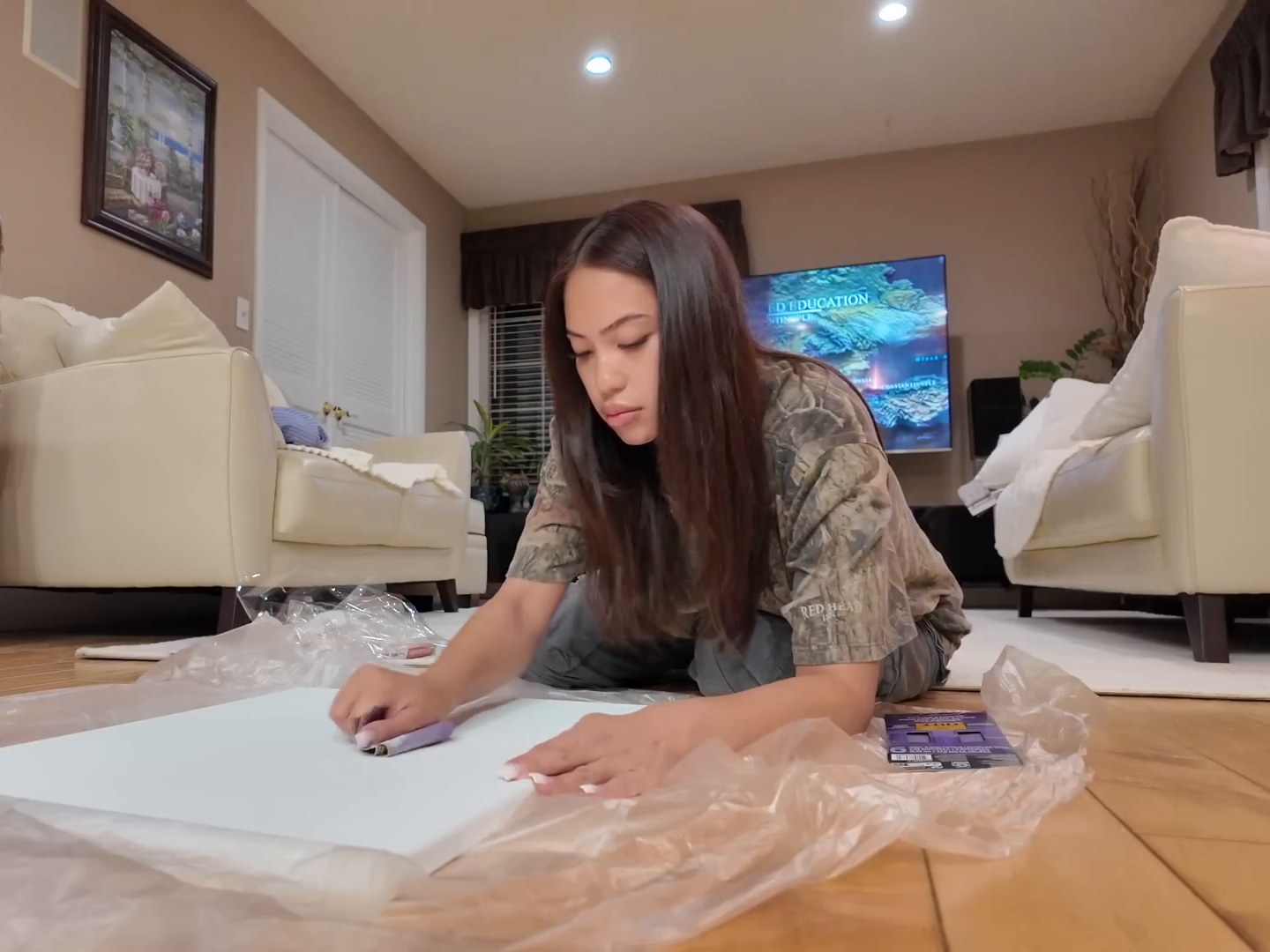
If you want a fifth line, make it social: one standing call, dinner, or game with the same people. A standing plan with other people is harder to quietly skip than a solo intention.
Plan the arc around the calendar
Habit lists ignore the fact that the next 11 weeks are not uniform. Map your arc to what is actually coming.
Weeks 1 and 2 (October 16 to 31): set up. Do ABBY’s audit honestly for one week. Pick your four lines, book the class, and choose the recurring night. Halloween falls on Saturday, October 31, which makes an easy first seasonal outing.
Weeks 3 to 6 (November 1 to 28): the dark switch. In most of the United States, clocks fall back on Sunday, November 1, and sunset lands about an hour earlier overnight. Move outdoor leisure to lunch breaks and weekend daylight, and move the indoor hobby slot into the evening. Thanksgiving is Thursday, November 26, so plan a travel version of each line for that week.
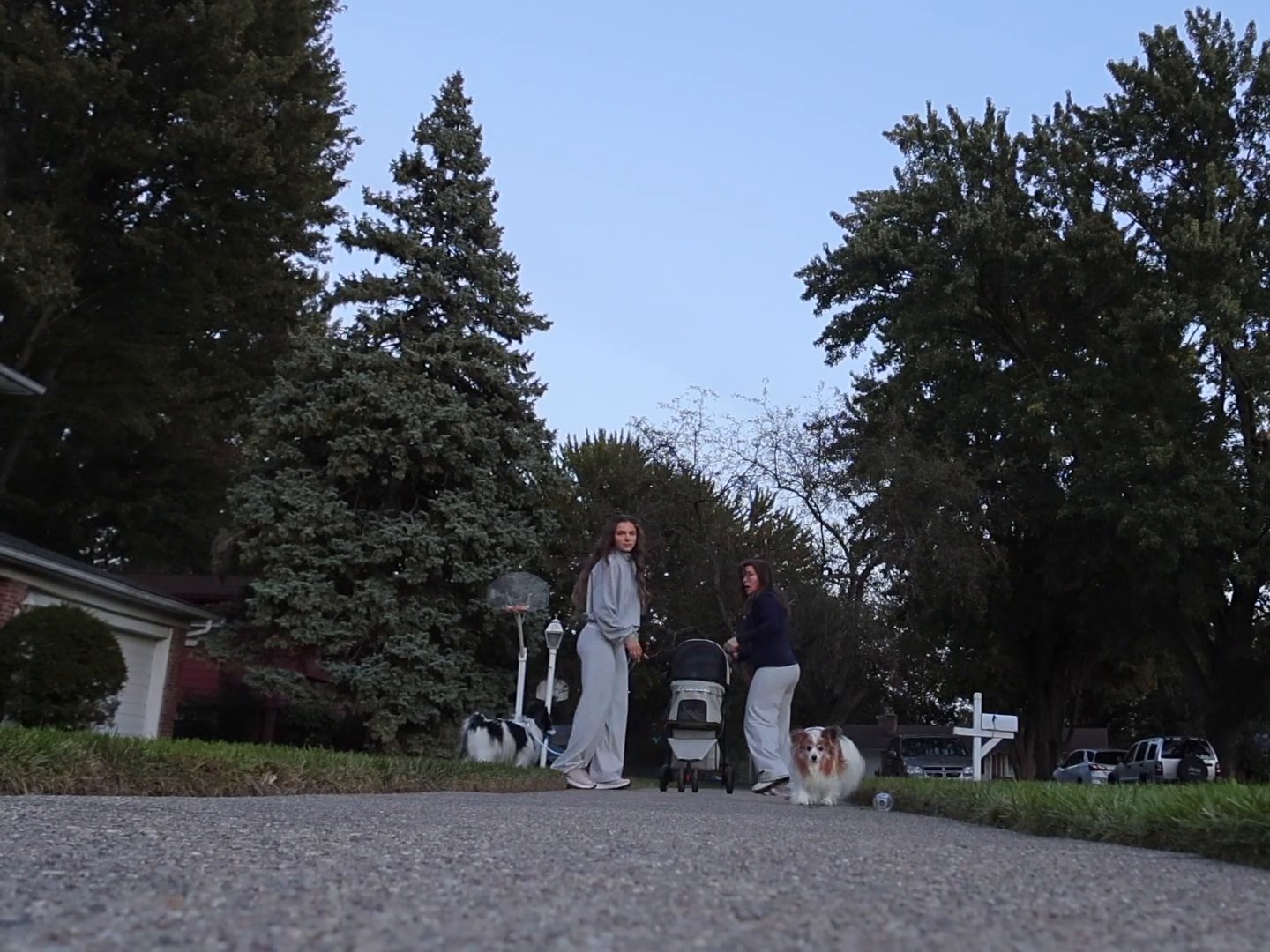
Weeks 7 to 11 (November 29 to December 31): the holiday squeeze. Shrink, do not skip. Decide now what the minimum version of each line looks like: fifteen minutes of sketching, one chapter, one lap of the block. Use the winter solstice on Monday, December 21 as a mid-season check-in, then spend part of New Year’s Eve deciding which lines carry into 2027.
Track it like a leisure log, not a scorecard
Lena’s habit tracker works for leisure if you change what it measures. A row of checkmarks for the weekly hobby and the weekly outing is enough. Then take fifteen minutes each Sunday for three questions: what did I enjoy most, what got skipped and why, and what is next week’s outing. If you want help slotting those lines into real days, our guide to energy-based time blocking matches activities to the energy you actually have.
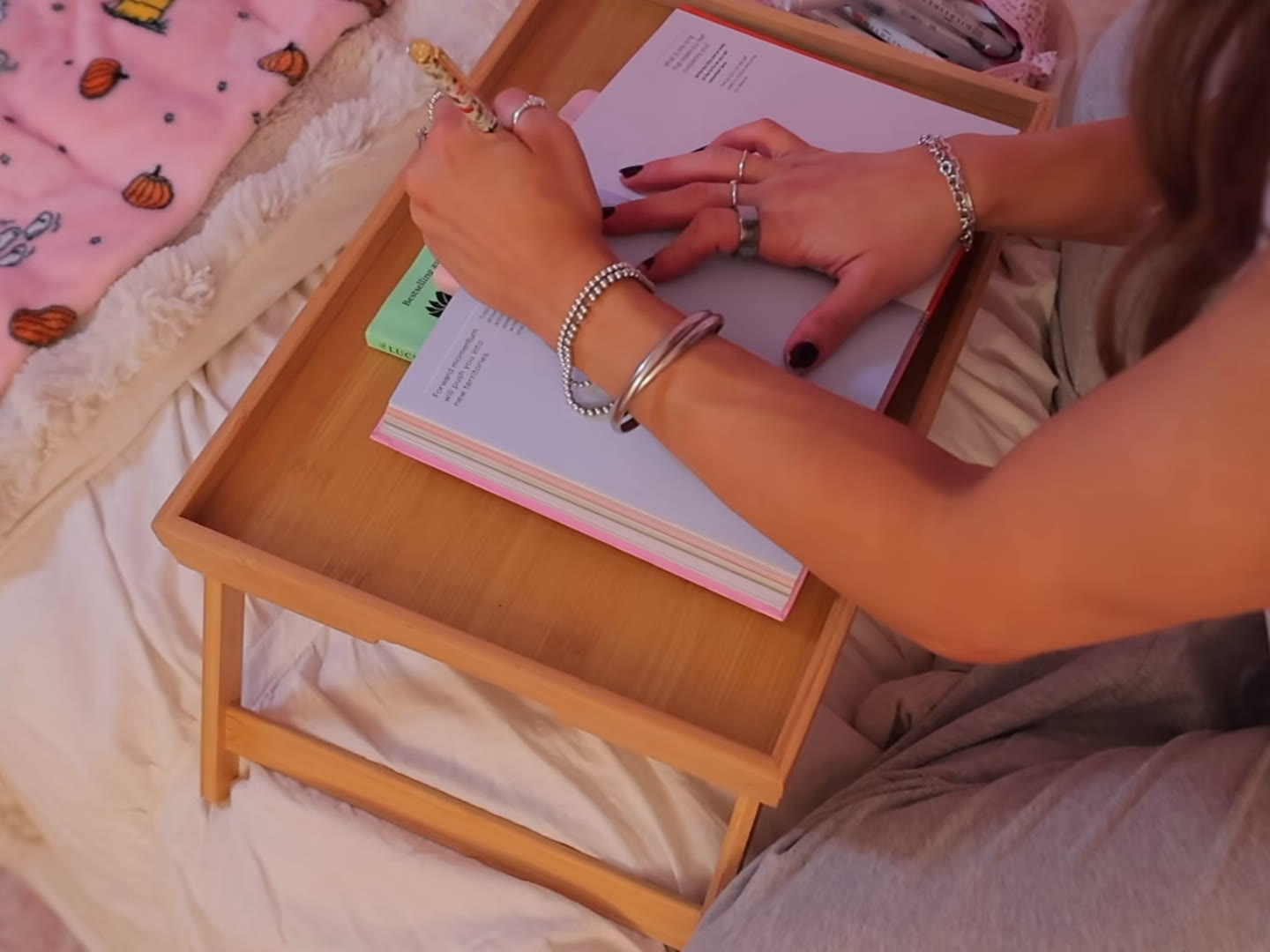
One rule from the winter arc coverage is worth stealing for misses: “the goal is to never miss twice in a row.” A skipped hobby night is information. Two in a row is a sign the slot or the plan needs to change.
When the arc stops being fun
One participant quoted in that same coverage warned about posting check-ins online: “it turns into performance fast.” If your arc starts feeling like content you owe an audience, drop the posting and keep the plan. And if the dark months bring more than a seasonal dip, the National Institute of Mental Health has a plain guide to seasonal affective disorder, its signs, and the treatments that help. A leisure arc is supposed to make winter better, not become one more thing to fail at.
Around 7 in the evening of her day one, Sophie closes the laptop with work still on the list, saying she has “already put in a very honorable work day” and needs “to take the evening for myself.” That is the whole idea. Plan the evening first, and let the rest of the arc fit around it.
Watch: three takes on the winter arc
LenaLifts lays out her five goal, 90 day version with a daily habit tracker.

ABBY walks through her full routine, from the time audit to the weekly art class.

Sophie DiLoreto shows her soft winter arc, with a hard work cutoff and evenings kept for herself.