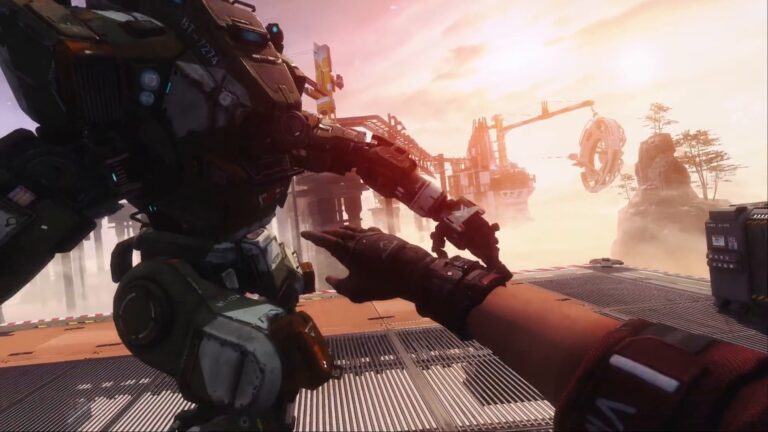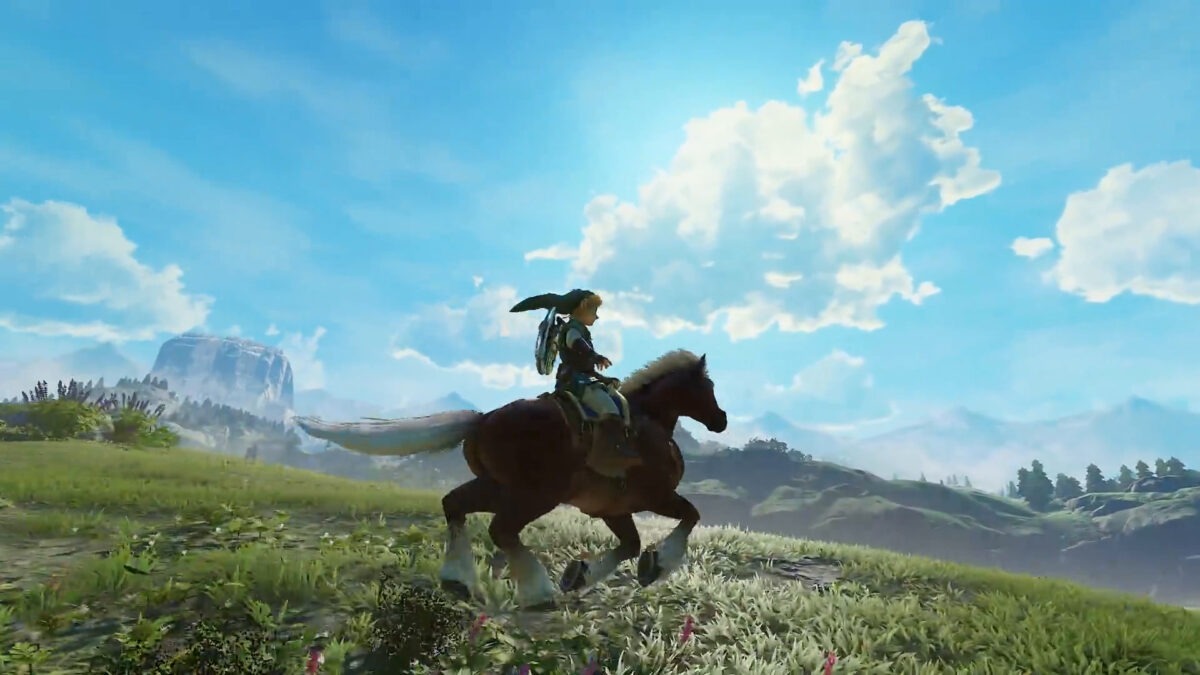
The Legend of Zelda: Ocarina of Time is coming back on Thursday, November 5, rebuilt for the Nintendo Switch 2. Most coverage of the Ocarina of Time remake is about the new visuals and the jump button. The detail that matters most for your free time is smaller: the game listens. Hum one of Link’s songs, or play it on an actual ocarina, and the Switch 2 microphone picks it up and Link plays it in the game. That turns a video game into a small music hobby, and there are 19 days left to get a head start.
Why the remake is everywhere right now
Nintendo released its overview trailer on October 14, and it passed 5.6 million views on YouTube in three days. The same day, The Verge published a hands-on preview and IGN (originally Imagine Games Network) posted its own, which had passed 1.1 million views by October 17. Demand was already high. On October 10, the remake was the top Switch 2 game on Amazon in the United States, showing “100K+ bought in past month,” and it held the top spot on Amazon Japan’s weekly preorder chart for October 4 to 10.
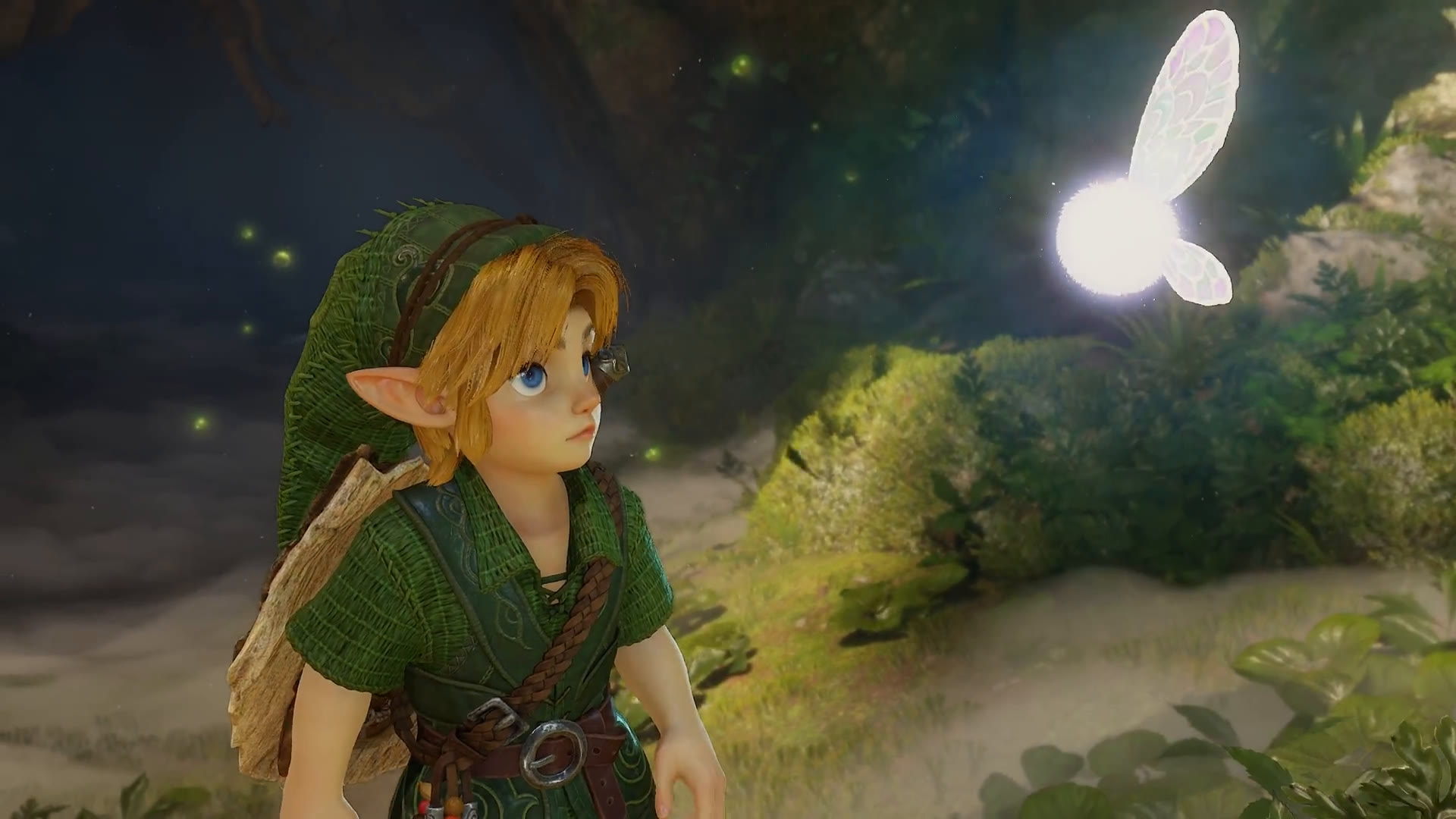
The timing helps. The original Legend of Zelda turns 40 this year, a Zelda 40th Anniversary Edition of the Switch 2 arrives on October 29, and the remake costs $59.99 digital or $69.99 physical. It is rated Everyone 10+ by the Entertainment Software Rating Board for animated blood and fantasy violence, which makes it an easy pick for a family that wants one game to share this fall.
What the previews agree on, and where they hedge
Three sources are worth comparing: Nintendo’s own trailer, IGN’s hands-on video, and The Verge’s written preview by Cameron Faulkner.
They agree on the big picture. Nintendo calls it “completely reborn,” with overhauled visuals, fully voiced cutscenes, and orchestral music. IGN’s preview says series producer Eiji Aonuma described it as a “faithful interpretation” of the 1998 original, and that it runs “at a crisp 60 FPS,” or 60 frames per second. The Verge calls it “remarkably modern” and points to a dedicated jump button, a Threads of Time progress tracker on the pause screen, and item swapping that “no longer requires hopping into the pause menu.”
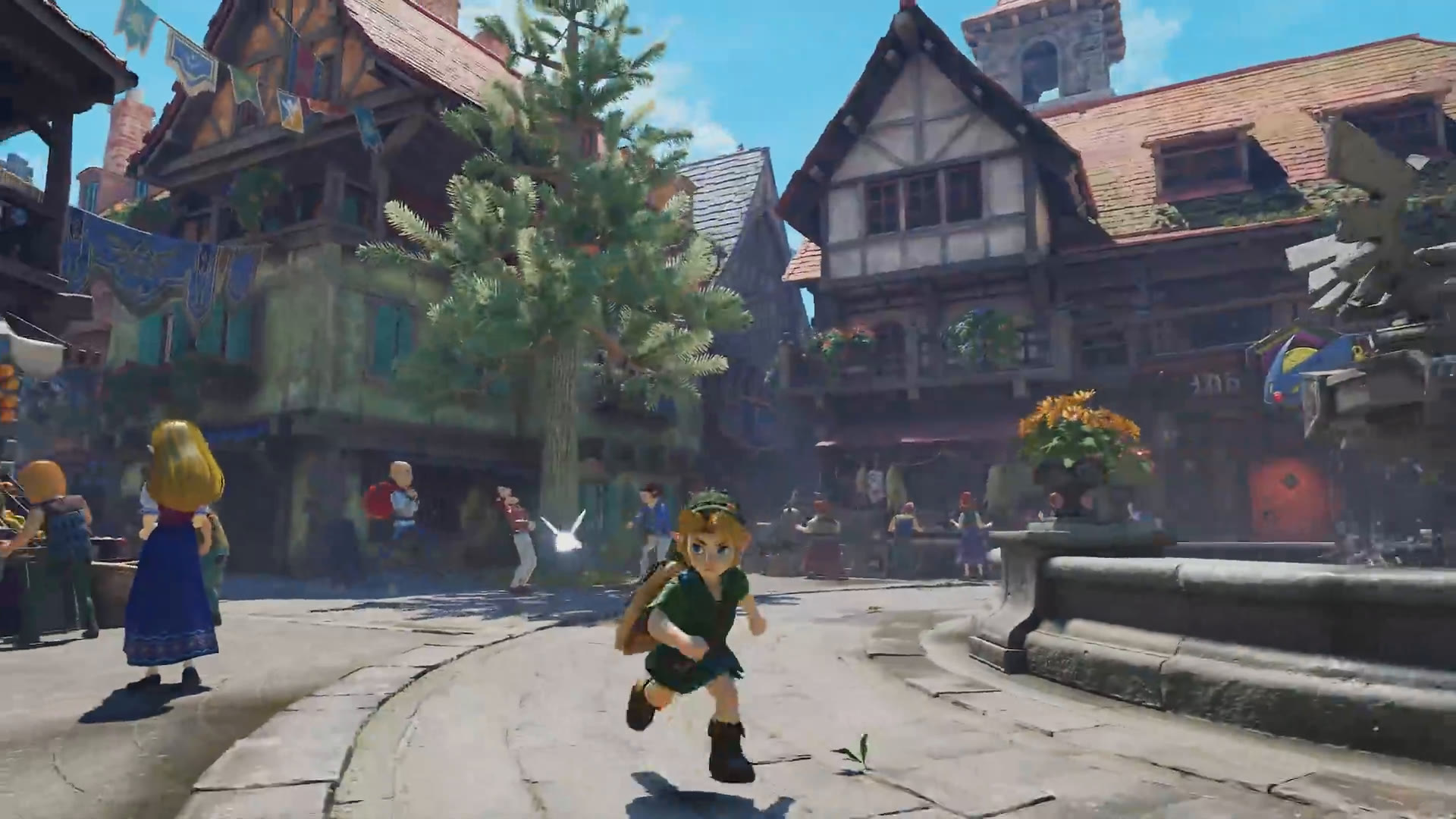
They add different things. IGN found familiar rooms with redesigned challenges and summed it up as “This remake isn’t about scope, it’s about depth.” The Verge found the Forest Temple “surprisingly terrifying” in the new lighting, which is worth knowing if you plan to play with a younger child.
They also hedge in different places. IGN notes that sprinting across Hyrule Field between two towns “takes less than 90 seconds” and that Nintendo kept the loading screens between areas, so the world can feel small by modern standards. The Verge calls the adventure “much smaller scale” than recent Zelda games, with simpler tools, “but no less fun.” And the feature this article is about, humming or playing songs into the microphone, is promoted in Nintendo’s trailer but is not described in either hands-on report. Treat it as a promise until launch day.
The feature that turns a game into a hobby
Nintendo’s trailer is direct about it: “hum a melody you’ve learned in the game or play one on a real instrument and the ocarina will respond.” Nintendo’s announcement describes it as working with songs Link has already learned, so think of it as playing the right tune at the right moment, not a free-form music app.
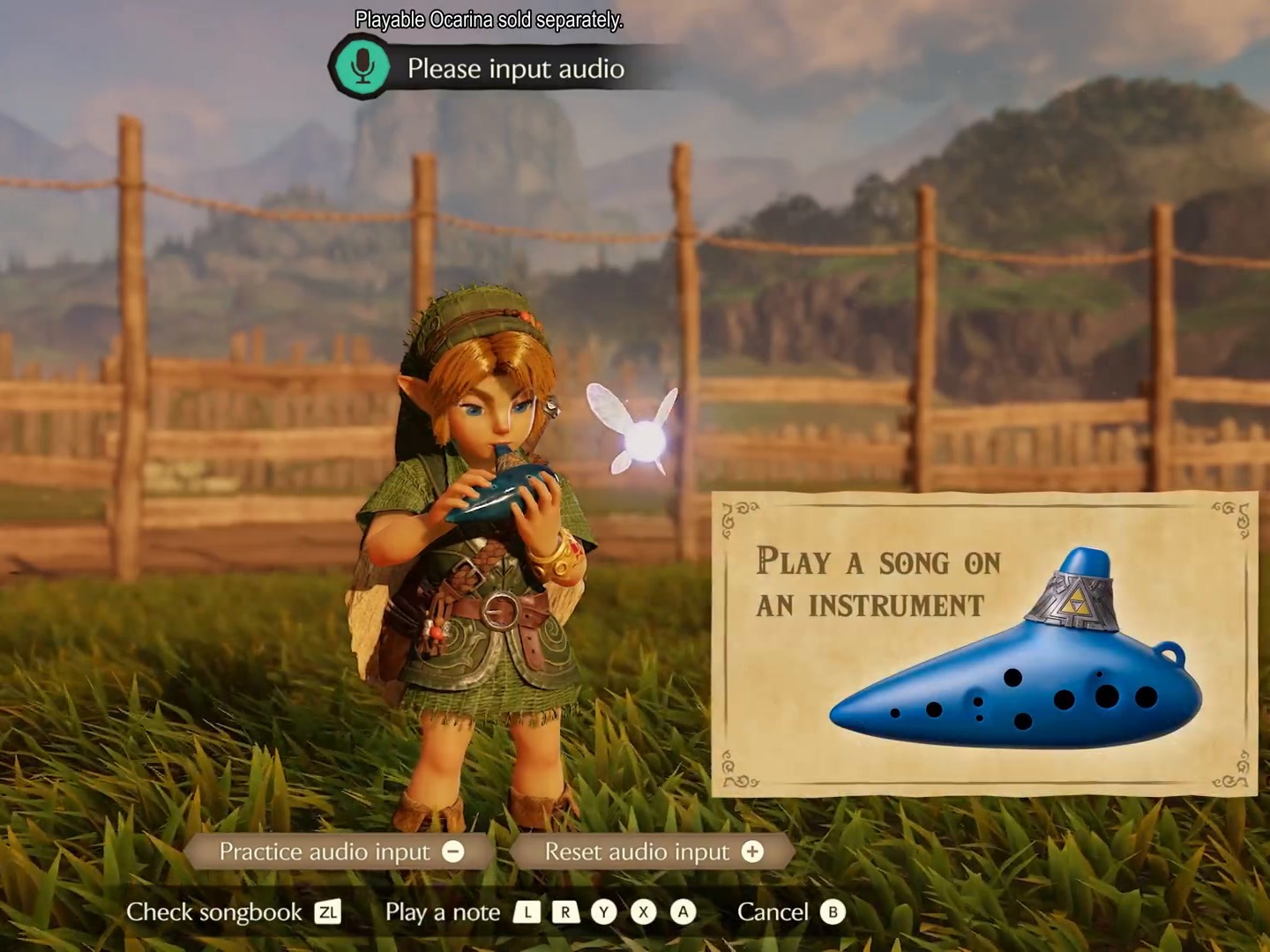
You have three ways in:
- Hum. Free, and it works for anyone who knows the tune.
- The Electric Ocarina of Time from HORI. It costs $49.99 and releases November 5. Nintendo’s own store page says it is “an electronic toy and is not a real ocarina.” You press buttons instead of blowing into it, and it can auto-play 12 songs.
- A real ocarina. Nintendo has announced an official acoustic version “for the musically inclined,” but we could not find an announced price or release date as of October 17. Any real ocarina in tune will do, and plenty of Zelda-style replicas already exist.
If the goal is a lasting hobby rather than a game accessory, the real instrument is the better buy. The electric one is built around the game. A real ocarina still works when the game is finished.
Why Zelda songs are a good first lesson
The songs were built to be easy to play. In the original, Link’s ocarina used five controller buttons, and composer Koji Kondo told Nintendo Power in 2005 that he “had to create all of those memorable tunes with only five tones.” Dan Bruno’s analysis of the soundtrack identifies those notes as D, F, A, B, and the D an octave higher, and notes that the part you actually play to trigger a song is only five to eight notes long. The game finishes the rest.
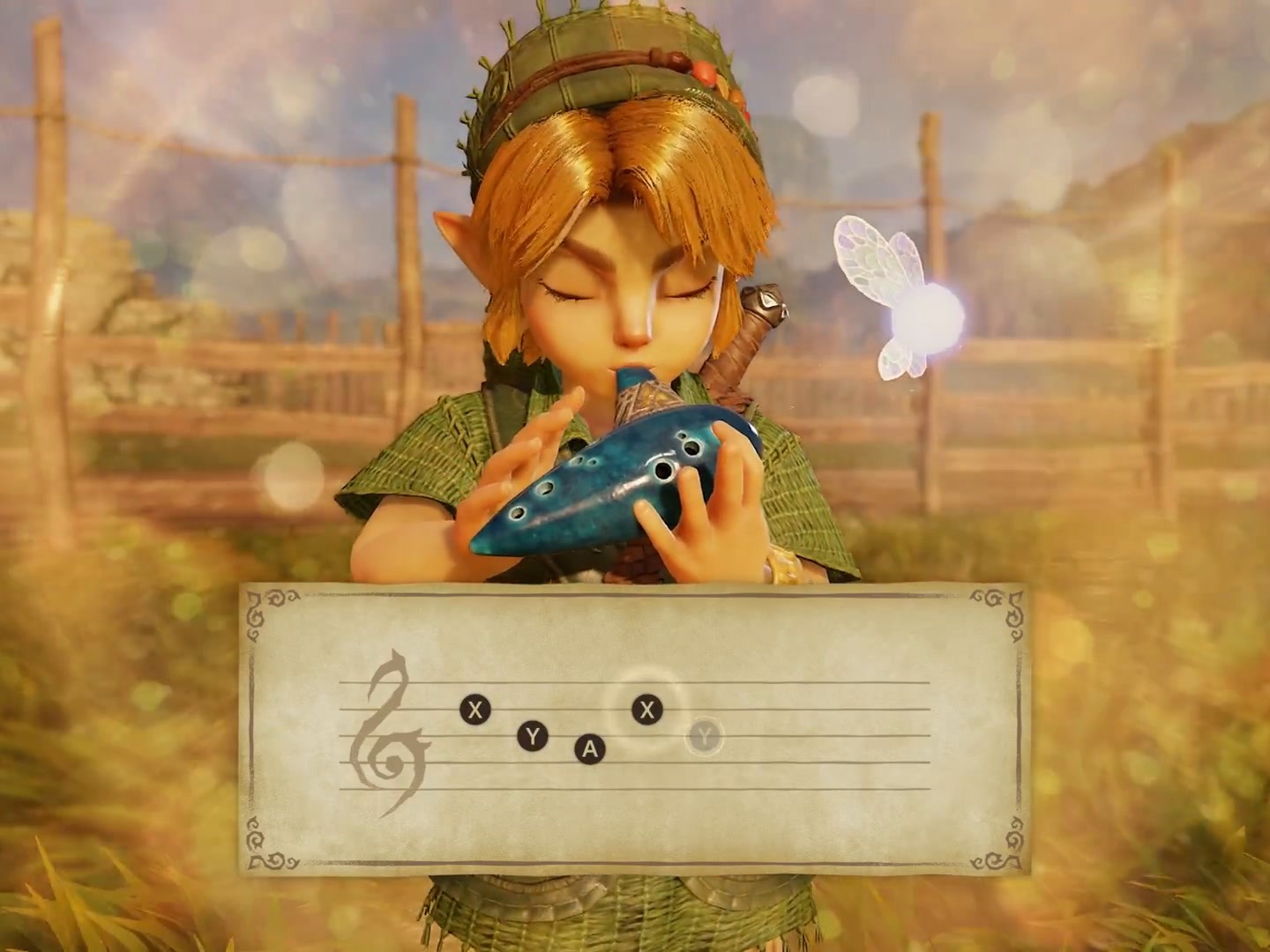
Those notes fit comfortably on a common 12-hole ocarina in the key of C. In her beginner lesson, ocarina teacher Gina Luciani walks through both the 6-hole and 12-hole types and the full scale from low C up to high F. Two of her tips are the ones beginners skip. Make the sound by pretending “that you’re saying whoo,” and cover the holes completely, because a half-covered hole is the usual reason a note sounds wrong. She also recommends a neck strap while you learn, since a dropped ocarina can be damaged.
A 19-day Ocarina of Time remake warmup before November 5
Short daily practice is enough for this.
- Days 1 to 5: get a clean note. Learn to hold the ocarina and play single long notes with steady breath. Use the neck strap.
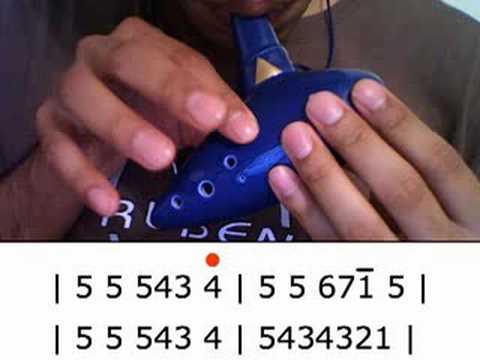
- Days 6 to 12: learn the scale and read tabs. David Erick Ramos, whose “How to Play Zelda Songs on Your Ocarina” tutorial has more than 3.1 million views, uses numerical tabs, where each scale step gets a number. He plays a Zelda replica “tuned in the key of C,” so a C ocarina will match him.
- Days 13 to 19: learn two short songs. Pick one early song you will need as a child, like Zelda’s Lullaby or Saria’s Song, and one you will use often, like Epona’s Song. Ramos’s advice for bad days: “don’t stress out about it. Just remember that practice makes perfect.”
Make it a household thing
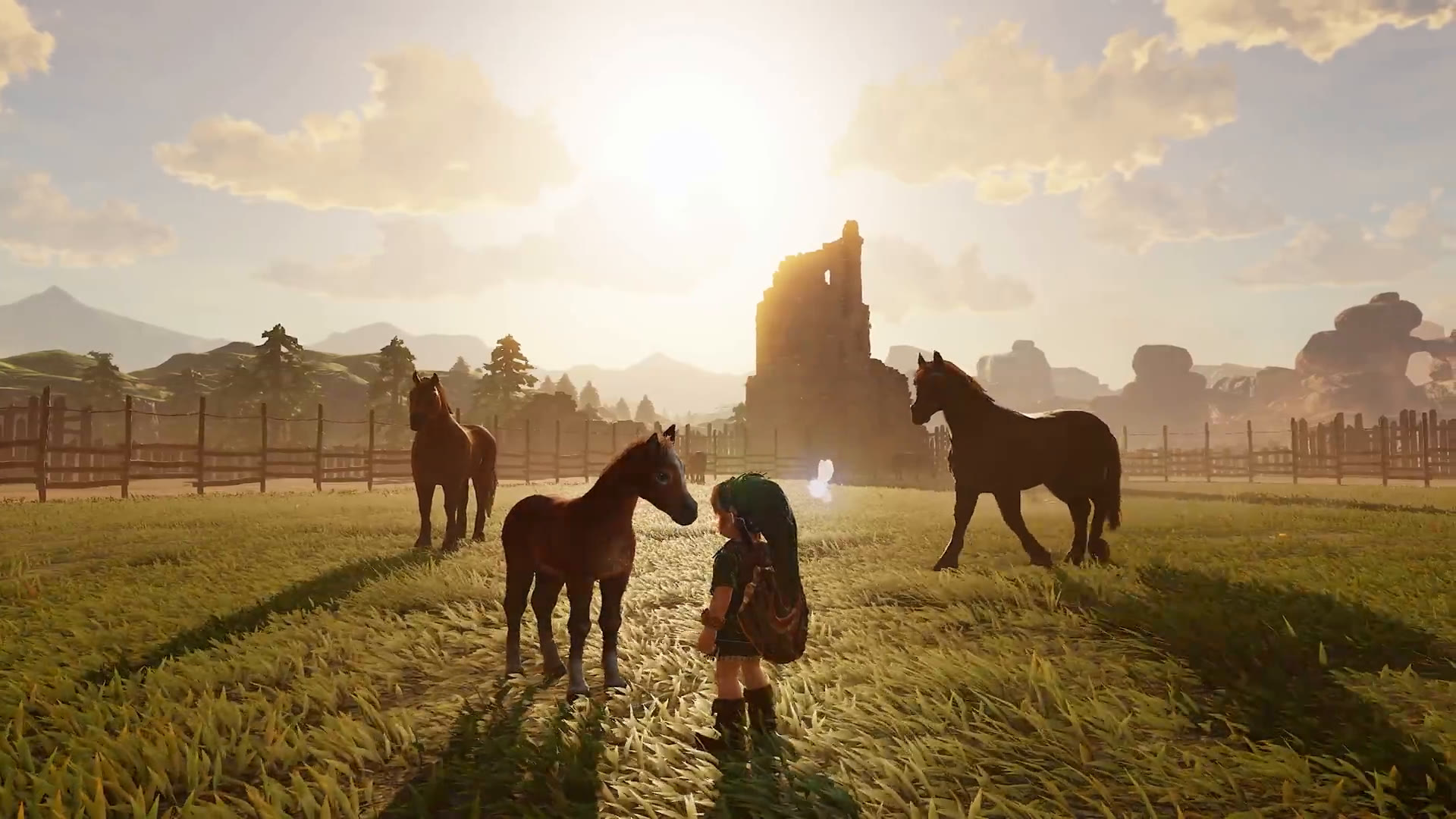
This is where it becomes leisure stacking: one evening that mixes a game, music practice, and time together. A parent who played the original in 1998 can play the songs while a kid explores. A newcomer can hum. Threads of Time shows your next objective, which makes it easier to pick back up after a busy week. The Zelda Notes section of the Nintendo Switch app adds a once-a-day quiz with more than 2,000 questions in all, plus a virtual ocarina you can play on your phone.
If the music is the part you love, Nintendo is taking it on the road too. A 40th anniversary concert series is set to start in Japan in January and in the United States in February, beginning in Chicago.
Two caveats before you buy. The remake is a Switch 2 exclusive, so it will not run on the original Switch. And until reviews arrive, nobody outside Nintendo has said how forgiving the microphone is with a beginner’s wobbly notes. Learning the ocarina is worth doing either way. If the game hears you, that is a bonus.
Watch: the trailer, a hands-on preview, and a first lesson
Nintendo of America’s overview trailer shows the new visuals and the hum or play feature.

IGN’s hands-on preview covers what changed and what stayed the same.

David Erick Ramos teaches the Zelda songs on a real ocarina, one tab at a time.