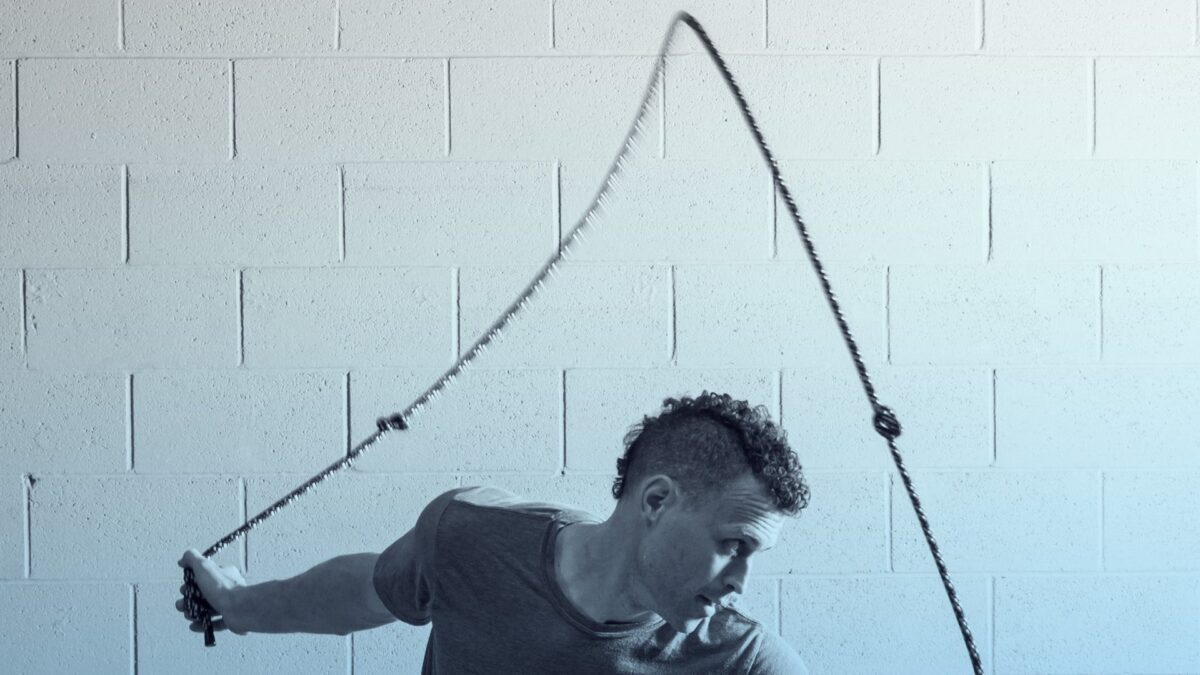
If you have seen someone in a park swinging a thick rope around their body in slow figure eights, no jumping, just turning and shifting their weight like a dancer, you have seen rope flow. It is one of the fastest rising movement practices of 2026, and it suits a leisure life unusually well: one cheap rope, a few square feet of space, and sessions short enough to fit between other plans.
Why rope flow is having a moment
The search numbers moved first. Rising Trends, which tracks search demand, puts “rope flow” at about 33,100 monthly searches as of August 2026, up 652 percent on the year and the fastest riser in its mind and body movement group. The same report notes that interest in tai chi walking, last year’s slow fitness craze, has cooled, and that searches are drifting toward named movements people can do for decades.
Mainstream coverage followed. The German portal WEB.DE ran a trend piece in late August saying the trend had reached Germany in 2026, and Business Upturn published a run of explainers on September 27. The bigger picture fits too. The American College of Sports Medicine’s 2026 trend survey ranks “Balance, Flow, and Core Strength” fifth worldwide, and a newcomer to its top 20 is fitness that blends fun and social connection outside the gym.
It also films beautifully. A smooth figure eight is made for short video, which is where most of the rope flow community lives.
What rope flow is (and what it is not)
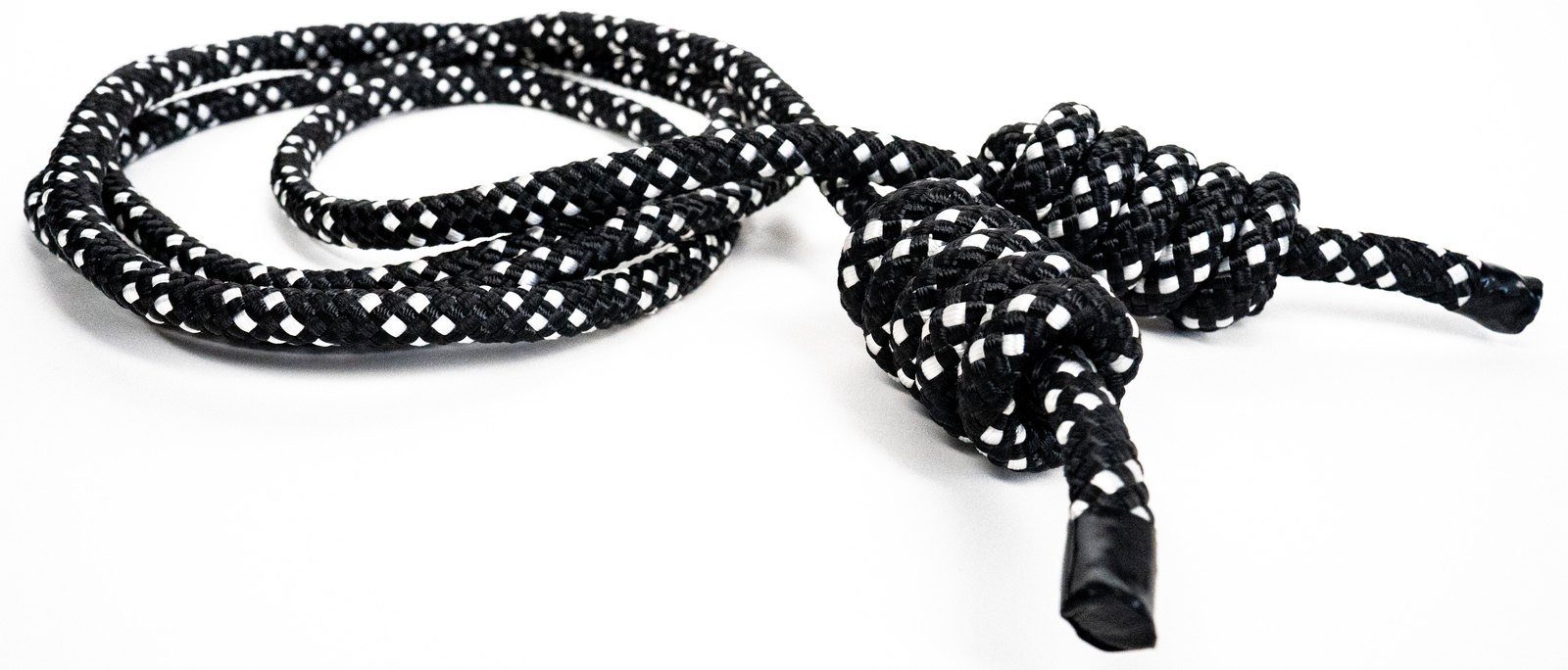
Rope flow was developed by movement coach David Weck, the inventor of the half dome balance trainer found in most gyms, as part of his Rotational Movement Training system. Business Upturn dates it to 2004, and Weck was sharing rooftop clips of it by the mid 2000s. You hold both ends of a weighted rope, usually about 8 to 10 feet long with a knot at each end for handles, and swing it in continuous loops beside and around your body.
It is not jump rope, and it is not battle ropes. Tim Shieff, who teaches it through Way of the Rope, explains the key difference in his beginner lesson: with skipping, your legs come up as the rope comes down. With rope flow, “the down and up is with the rope,” so your whole body bobs along with it.
Fitness creator Nsima Inyang, who practices every day, compares it to tai chi and says that once the patterns become second nature, “it almost turns into like a moving meditation.”

Your first three patterns
All three videos in this piece teach the same starting point, which is reassuring. Here is the order they agree on.
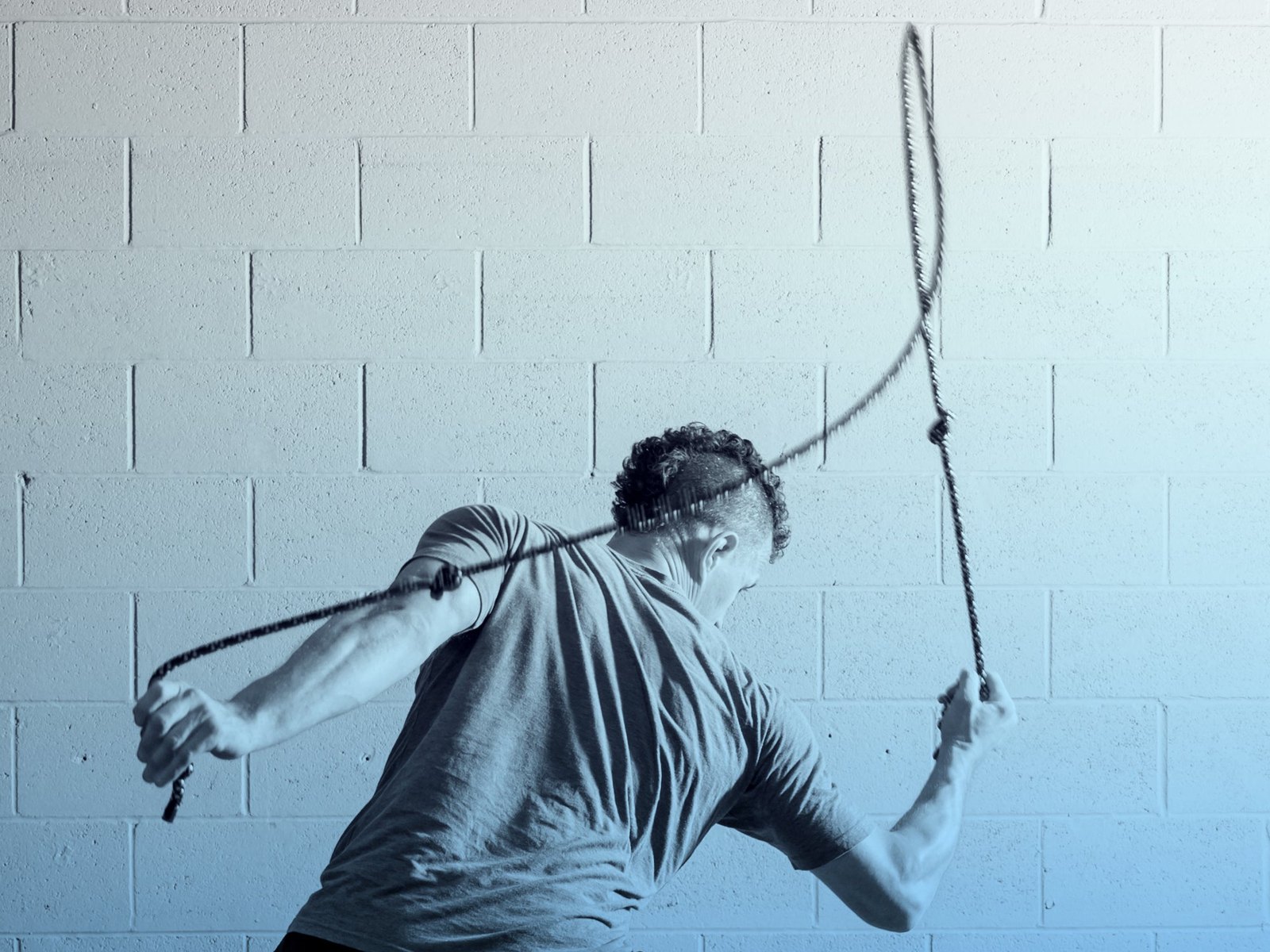
1. The overhand figure eight. Swing the rope forward on one side of your body so it lightly ticks the floor, then pass it across to the other side, like paddling a kayak. Shieff’s cue is to imagine your top thumb tracing an infinity sign in front of you. Let your shoulders roll and your weight shift, instead of keeping everything stiff and level.
2. The underhand figure eight. Reverse the direction so the rope travels backward past your feet, heel to toe. Shieff suggests rehearsing it without the rope first, like a backstroke arm, and says most people find this side a little harder, so give it extra time.
3. The turn. This is where it starts to feel like play. Get the rope swinging, then turn your head, hips and feet 90 degrees while the rope keeps traveling in the same line. Turn one way and your overhand pattern becomes underhand. Shieff calls this the “cardinal law”: the rope stays on its north to south line and you learn to dance around it.
The flashy move you see online is the dragon roll, which links the patterns with a flick behind your back. Save it for week two. Shieff spends most of his lesson on it, and even his student, a professional parkour athlete, takes a while to stop muscling it with his arms.

Three cues come up again and again:
- Go slow. Shieff’s line is “slow is smooth and smooth quickly becomes fast.”
- Let the body lead. The pattern smooths out when your hips and ribs turn first and the hands finish the movement. Using only the arms is the classic beginner mistake.
- Expect a few whacks. “Sometimes the rope needs to hit our legs a few times” before the timing clicks, Shieff says. It is part of learning, not a sign you are bad at it.
Choosing a rope (or skipping that for now)
You do not need to buy anything to find out whether you like it. In the Strength Side video, Shieff points out that you can learn the first two patterns with a dog lead or a resistance band you already own.
When you do buy, the advice converges on a soft, weighted rope of roughly 8 to 10 feet, sized to your height. Heavier ropes move slower and give you more feedback, which helps beginners. The one disagreement is length: an orthopedic surgeon quoted by WEB.DE suggests a slightly shorter rope makes the start easier, so if you are between sizes, go shorter. A standard skipping rope works in a pinch, but as Shieff notes, you will not feel the same weight in your hands.
Where it fits in a leisure week
Rope flow is easier to keep doing than most workouts, because it does not need a warmup, a gym or a plan. The Strength Side video, narrated by a self-described former skeptic, names “out in nature” as a favorite place for it, at a park or on a hike, and suggests using it as “a movement snack throughout your day.” For less active people, the video adds, “the rope is a fun way to work more movement into your life in a way that doesn’t feel like hard work.”

A few ways to slot it in:
- The two minute habit. Shieff suggests about two minutes a day, according to a Men’s Health tester in the United Kingdom who used it as a warmup that loosened desk-stiff shoulders.
- The 10 to 15 minute session. Dr. Martin Rinio, the orthopedic surgeon quoted by WEB.DE, recommends 10 to 15 minutes for beginners, adding complexity only gradually. Coach Brian Murray at Motive Training uses the same window for practicing one pattern.
- The low energy slot. Because it is low intensity and endlessly repeatable, rope flow is a good fit for the tired evening windows in our guide to energy-based time blocking.
- The walk add-on. Strength Side links the underhand pattern to walking and even walks with the rope. Bring it on a long walk, the kind we wrote about in our piece on Karl Bushby, and stop at a quiet patch of grass.
If you like it, add it to your list of fun ways to stay fit alongside disc golf and bouldering.
Keep the claims modest
Here is where the sources part ways. Inyang’s video opens by saying four in five people will have back pain and that it is “entirely preventable,” and suggests the rope may help you get rid of it. Strength Side reports that walking and running felt better after a few weeks.
The written experts are more careful. Murray notes there is “essentially no peer-reviewed research on ropeflow specifically,” and says the rope is better at revealing stiffness than fixing it. Business Upturn adds that it is no substitute for strength training if building muscle is the goal. Rinio calls it joint friendly, since there is no landing impact, but warns it is harder than it looks, says to cut back if anything hurts, and advises people with existing shoulder or back problems to check with a doctor first.
So enjoy rope flow for what everyone agrees it is: a low impact, coordination focused practice that is genuinely fun, costs very little, and gets you moving in a way that feels like play. Any extra benefits are a bonus.
- Rope Flow: The Movement Practice That Changes You (Nsima Inyang)
- HOW TO ROPE FLOW (Beginner Tutorial + Follow Along) (Tim’s Gym)
- How Rope Flow Changed my Body (Strength Side)