Your evening walk already does a lot for you. Put some weight on your back, and it starts doing the job of a strength session, too. That simple upgrade is called rucking.
It is having a big moment. Fitness YouTuber Jeremy Ethier put it to the test against 10 other ways to speed up a walking habit, in a video that has drawn millions of views.
What rucking actually is
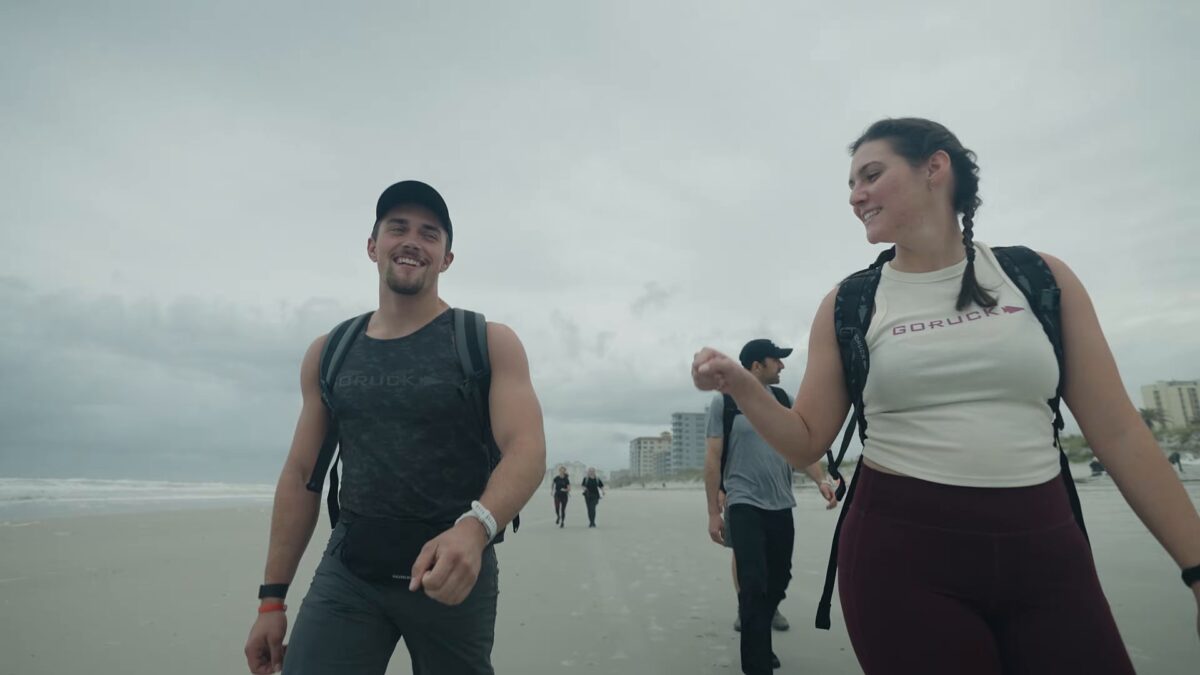
GORUCK, a company that builds rucksacks and has made the sport its mission, defines rucking as “carrying weight for distance.” Most people use a loaded backpack or a weighted vest.
The idea comes from the military, where long loaded marches build stamina in soldiers. Today it is an everyday fitness habit that people of every age swear by.
Here’s why it works. You get “strength and cardio in one,” as GORUCK’s intro video puts it. Your legs, back and core carry the load while your heart and lungs cover the ground.
The best part? You probably own the starter kit already.
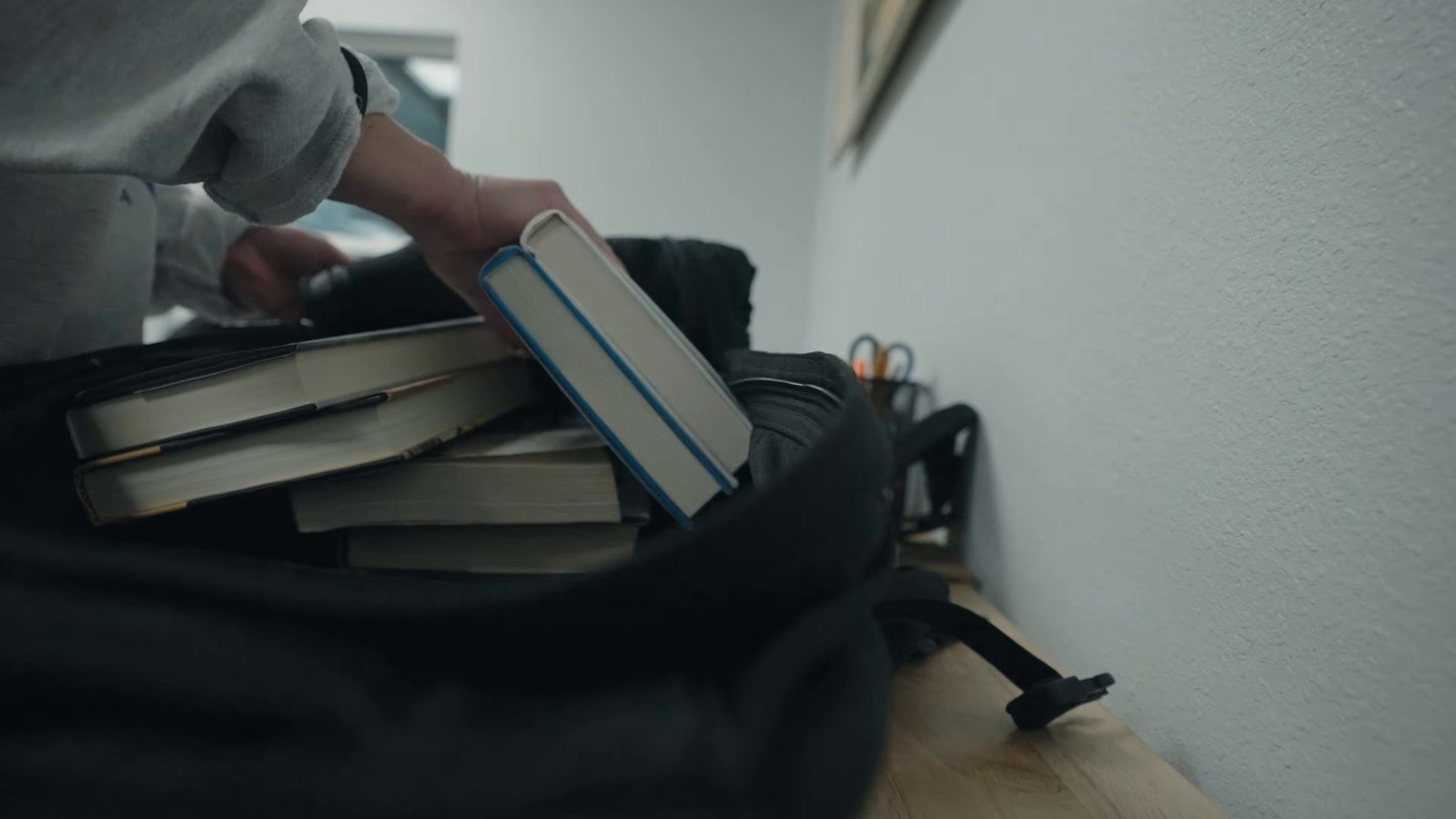
GORUCK’s advice for a first outing is refreshingly low-key: “just starting is really the key.” Fill a sturdy backpack with books or anything else that has some heft, then head out on your usual loop.
How much harder rucking feels than walking
Ethier and two teammates wore 20-pound vests on a 20-minute walk while a mask-style tracker measured their calorie burn.
It felt far harder than regular walking. Yet calorie burn rose only about 20 to 30%. Over a full 10,000 steps, Ethier figures that adds roughly 100 extra calories.
“So it’s not nothing,” he says. And the real gain is the load itself, which keeps your legs and back working the whole way.
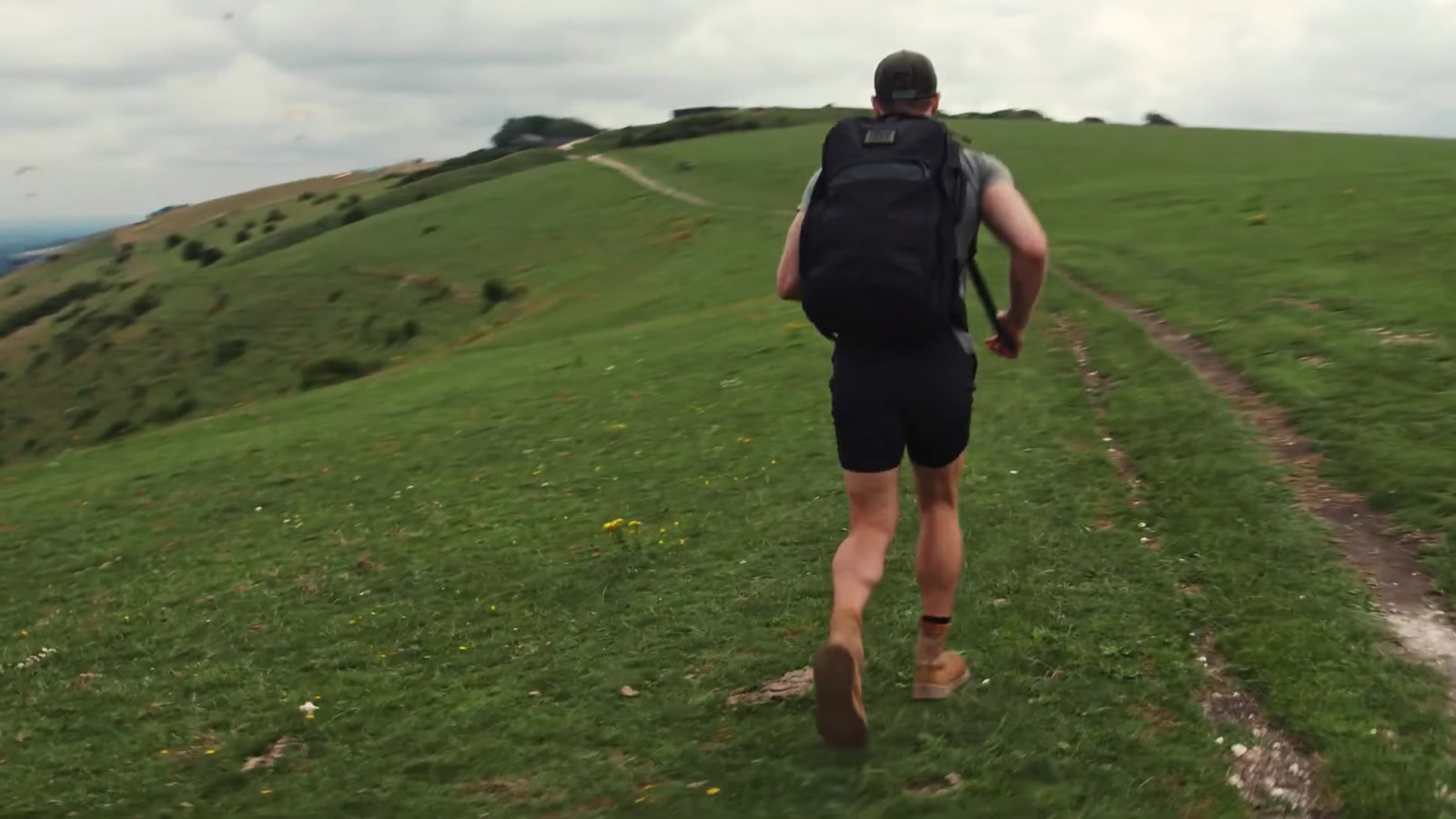
Want more burn? His test found that walking on a steep incline beat the vest. Every 1% of slope speeds up calorie burn by roughly 10 to 15%, so a hilly route and a pack together make a serious workout.
How to start rucking without sore knees
Strength coach Jon Hamilton sees the same mistake again and again. People load up too heavy, too soon. Muscles adapt quickly, but the connective tissue around your knees adapts more slowly.
His rule is simple: “Treat it like lifting and build the capacity over time.”
- Start light. GORUCK’s Rucking Weight Vest comes in 14, 20 and 30 pound setups, a sensible ladder to climb.
- Raise the weight or the distance, but never both at once.
- Warm up your hips and ankles before you load up.
Form matters more than the number on your plates. Keep your posture tall and “avoid overstriding or leaning too far forward,” Hamilton says. Leaning in dumps the work onto your quads and knees.
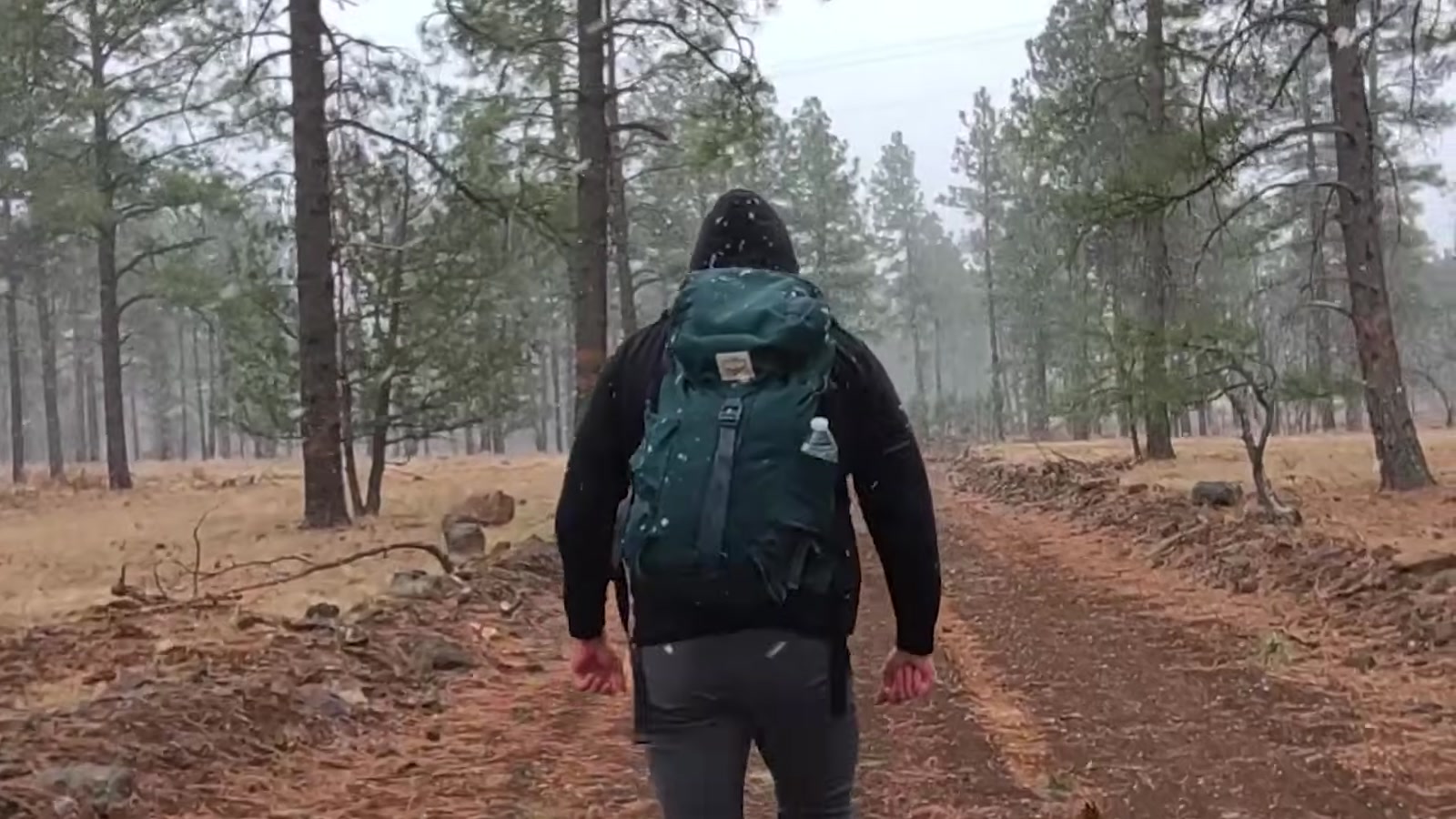
Stronger glutes and hamstrings help, too. Hamilton favors squats, glute bridges and Romanian deadlifts at least three times a week, plus calf and hip flexor work after each ruck.
When to upgrade your gear
Once rucking sticks, purpose-built gear makes every mile more pleasant. GORUCK’s vest uses curved plates with a large cutout, so the front panel doesn’t press against your chest as you breathe hard.
A vest also spreads the weight evenly across your chest and back, which suits brisk walks around the neighborhood. Small touches help, too, like a magnetic chest pocket for your phone and a smooth lining that won’t chafe.
Already doing Japanese walking? Once the brisk intervals feel easy, a light vest is a natural next step.
Watch: Rucking in action
Jeremy Ethier tests rucking against 10 other ways to burn more on your walks.

GORUCK explains what rucking is and how to start with the backpack you already own.

Jon Hamilton shows how to keep your knees healthy as the load climbs.