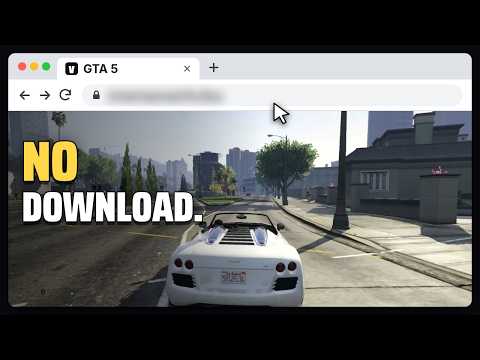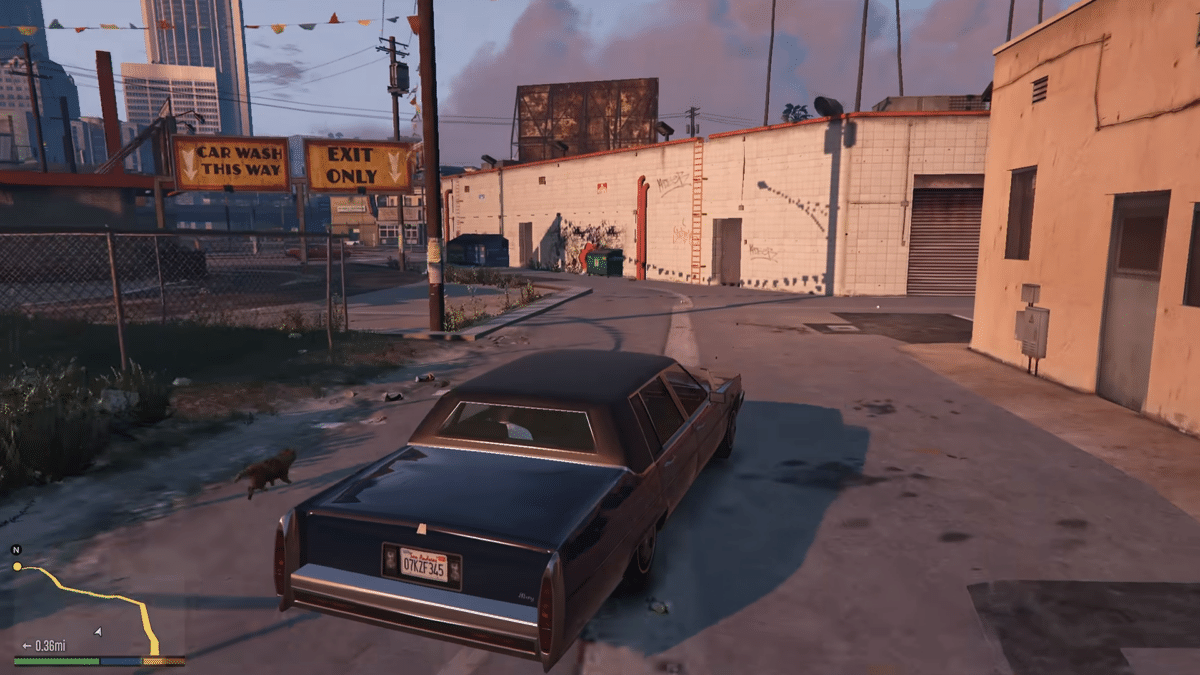
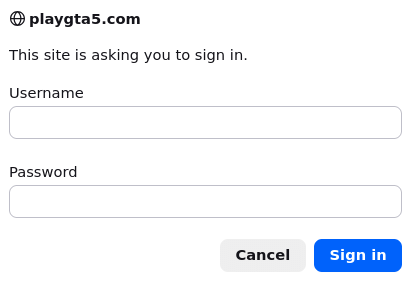
On October 6, 2026, a website called PlayGTA5.com let anyone play Grand Theft Auto V in a web browser tab. No install, no console, no PC copy. Within hours it was gone. All that’s left at playgta5.com now is a sign-in window.
That short life is the clearest signal yet of something big happening in AAA gaming (AAA, or “triple A,” is the industry label for the biggest-budget games from major publishers). Games that took hundreds of people years to build are being rebuilt, ported and modded by small fan teams in weeks, and artificial intelligence (AI) coding agents are a big part of why.
X user @tenobrus put the stakes plainly the same day:
His argument has two halves, and both matter to you as a player. The first is that free, instantly playable browser versions of big games are coming, whether publishers like it or not. The second is the twist: every ingredient of a $100 to $200 million game is getting dramatically cheaper and faster to produce, so the likely result is not the death of gaming but what he calls “a cambrian explosion.” This article tests that thesis against what has actually happened.
The two weeks that made the case
The GTA V browser port was not a one-off. It capped a run of projects that showed up on X within days of each other.
- Halo: Combat Evolved (September 29). Developer Mitchell Hynes put the original Xbox Halo in a browser, built on a community decompilation of the game. PC Gamer reported split-screen co-op, rooms of up to 128 players, and almost 20,000 games played across 115 countries in five hours, according to the developer. Digital Citizen reports that it ships no game data, so players supply files from their own copy.
- Grand Theft Auto V (October 6). The browser port ran Rockstar’s own engine compiled to WebAssembly (a compact code format every major browser can run at near native speed). An engineer who archived and analyzed the site, Satyajit Ghana, found a 63 MB game file containing about 91,000 functions with Rockstar engine names, running as 75 threads and drawing through WebGPU, the browser’s modern graphics interface. He concluded it was built from GTA V’s leaked source code, which Gizmodo notes went public in late 2023 after Rockstar’s 2022 breach.
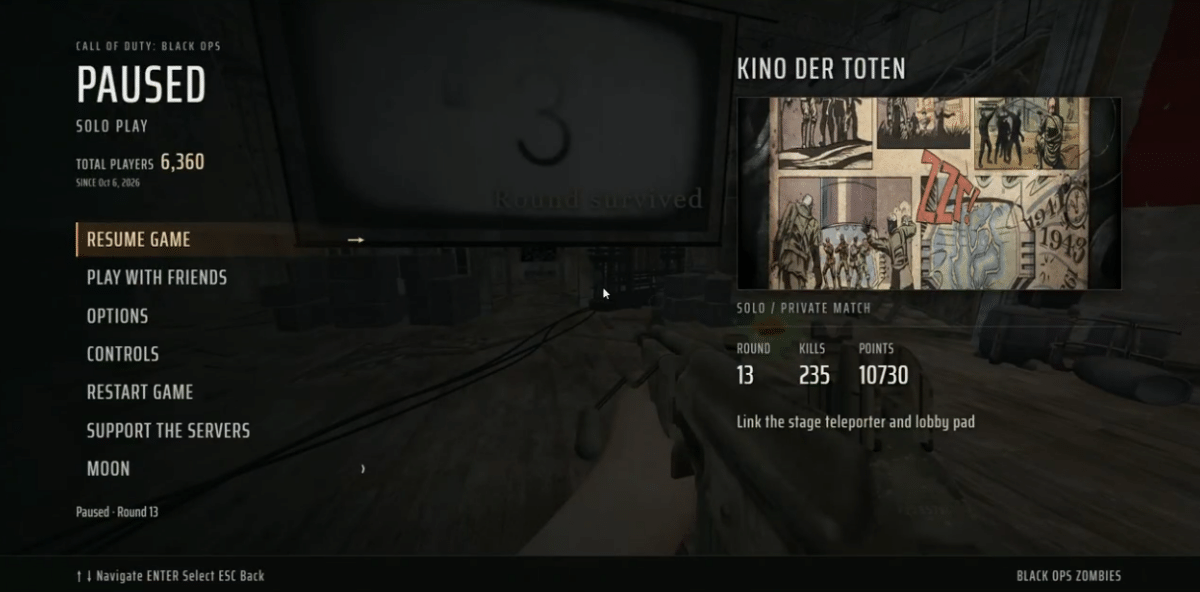
- Call of Duty (early October). TechPowerUp reported that Activision issued a takedown against Luckey Faraday’s browser recreations of Black Ops 2 multiplayer and the Kino der Toten zombies map, built in Three.js with AI coding agents and using maps and models exported from the PC games.
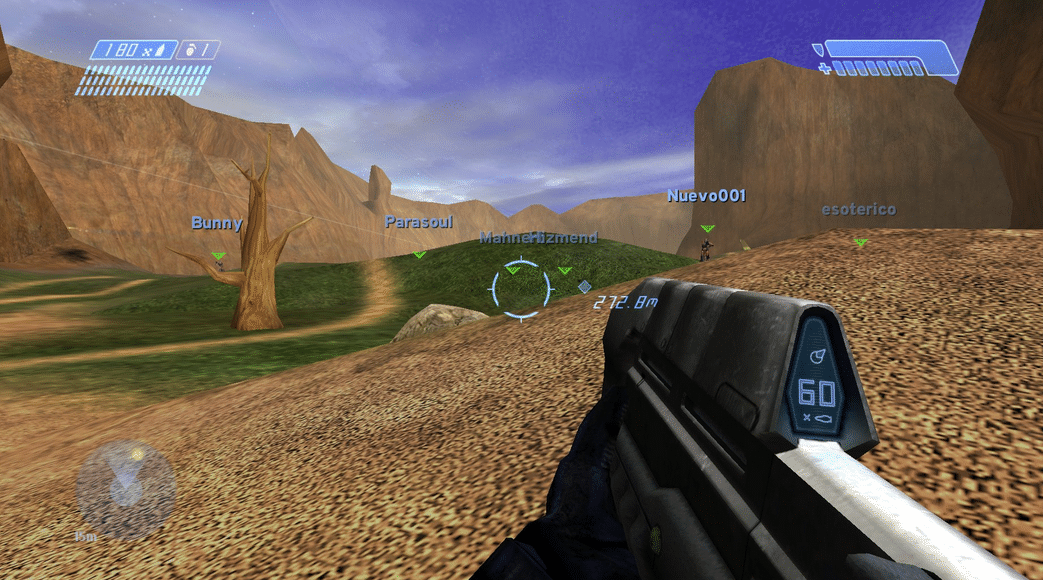
Kotaku counted browser versions of Black Ops, Halo, Grand Theft Auto: Vice City, Skate 3 and The Simpsons: Hit and Run circulating by October 9, and its reporter found some of them “borderline flawless.” Kotaku attributes the surge to Claude Opus 5.5, the newest version of Anthropic’s AI model, being unusually good at decompiling.
Gizmodo also points to a browser “Fallout-like” game that drew a Bethesda cease-and-desist a week earlier. That one was a knock-off, not a port, which is an important distinction we will come back to.
What is actually letting fans rebuild AAA games
The honest answer is three things stacked on top of each other: years of community reverse engineering, better tooling for converting old console code, and AI agents that make the grind dramatically faster.
Decompilation and recompilation, explained
X user @JackHammerLane gave one of the cleanest explanations, in reply to a fan asking whether game source code had “become open to public”:
In short: decompilation turns a game’s shipped machine code back into readable source code. The gold standard is a “matching” decompilation that compiles back into a byte-for-byte copy of the original. Static recompilation automatically translates the original console code into code that runs natively on a PC, without an emulator. Both open the door to fixes, mods, widescreen and higher frame rates.
The example @JackHammerLane cites is real. SymphonyRecomp, a native PC version of the PlayStation classic Castlevania: Symphony of the Night, ships with a built-in randomizer, widescreen, a cheat menu and an experimental asset replacement system for mods, according to its release notes. You supply your own disc files.
A related but different path is emulation. The post @JackHammerLane was answering quoted a French player, Ayoub, who said he got the PlayStation 4 exclusive inFAMOUS Second Son running at native 4K on PC in 24 hours using a version of the shadPS4 emulator he tweaked with Claude. TweakTown reports an independent tester saw 30 to 50 frames per second at 1440p on a midrange processor, and VGTimes notes the 4K demo ran on a top-end Ryzen 9 9950X3D and GeForce RTX 5090. Treat the 4K result as a best case.
The tooling has matured fast. The ReXGlue software development kit (SDK) converts Xbox 360 PowerPC code into portable C++ ahead of time, building on the long-running Xenia emulator and the earlier XenonRecomp tool. N64Recomp does the same job for Nintendo 64 games.
Why AI agents are so good at this one job
Decompiling has an answer key. An AI agent writes a function, compiles it, and checks whether the bytes match the original. If they do not, it tries again, thousands of times, unattended. The Slop Architect video below puts it simply: “decompiling has an answer key.”
The best documented case is not a blockbuster but it shows the speedup clearly. Developer Chris Lewis fully decompiled the Nintendo 64 (N64) game Snowboard Kids in 84 days using parallel AI coding agents, against 596 days for its sequel. He is careful to credit human experts for the hardest compiler quirks, and he notes that a skilled human team finished Pilotwings 64 in 74 days. AI made the work faster, not magical.
Then there is GoldenEye 007. Fans spent years on its decompilation. A single developer, working part-time, then used Claude Code plus a local open-weight model on one graphics card to build a native PC port from that decompilation, now described in the repository as running on Windows, Linux and Steam Deck with widescreen, 60 frames per second and split-screen. He wrote up the whole workflow, and notes the real work was diagnosis, not typing code.
The AAA games that have actually been rebuilt
Here are the cases that matter most for players, sorted by how they were made.
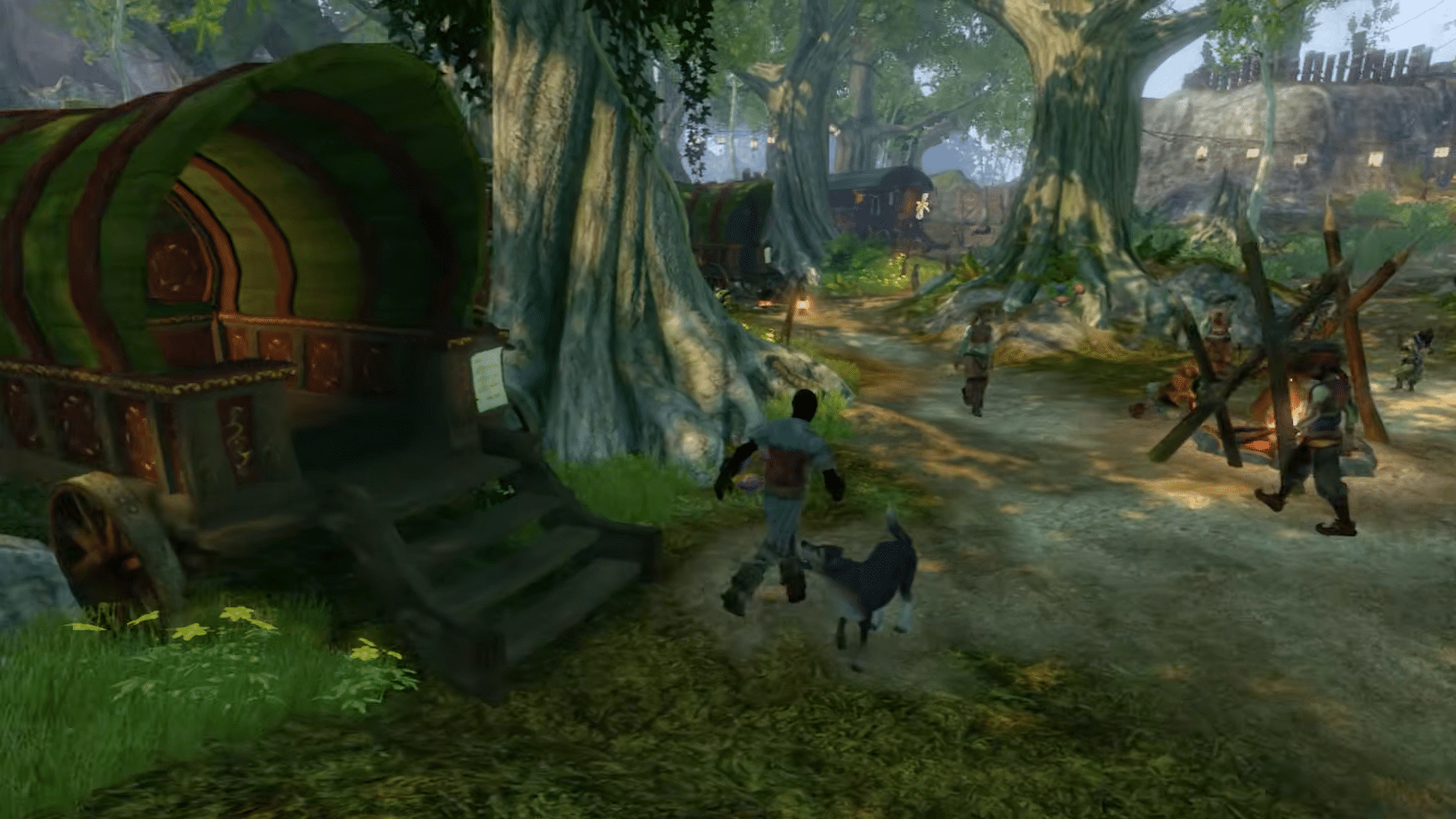
Fable 2 (Xbox 360, 2008). The only mainline Fable never released on PC got an unofficial native port in September 2026. DSOGaming describes Fable 2 Recomp as static recompilation via ReXGlue, with 60 frames per second or uncapped modes, keyboard and mouse, and DirectX 12 support. You must supply your own copy. Dot Esports reports the developer used the local AI model Qwen to get it booting in about an hour, then spent far longer on human trial and error to make it beatable.
Halo: Combat Evolved. A browser build on a community decompilation, bring your own files (see above).
GTA V. The outlier. It came from leaked source and served Rockstar’s actual game data from a server, according to Ghana’s analysis. That is what made it indefensible.
Call of Duty: Modern Warfare 2. Still in progress. The Slop Architect video reports a solo developer running up to 17 Claude agents for about two months, reaching close to three quarters of roughly 16,000 functions matched. That is the YouTuber’s summary of the developer’s own posts, and I could not independently verify the figures.
Official remakes, for comparison. Publishers still rebuild their own classics the expensive way; PC Gamer notes Microsoft had just launched Halo: Campaign Evolved the month before the free browser Halo appeared. That is exactly the tension: a fan version can now arrive free, in weeks, right next to a paid official one.
Meanwhile, fan projects are not only resurrecting old games. They are finishing new ones. @chrisfirst captured the mood:
The mod he quotes is Frederik Wessberg’s Seamless Landings for Starfield, which removes loading screens between orbit and a planet’s surface. Wessberg says on his Patreon he spent roughly half a year on it, rebuilt Starfield’s planet rendering in 3D, and will release it free on Nexus Mods for PC. One caution: I found no statement from Wessberg that he used AI. The “vibe coder” label is the poster’s framing, not an established fact.
How AAA features are reaching indie and smaller games
The same cost collapse works for original games, not just copies.
The poster @EntropyVoidAI argues that AAA budgets of $200 to $300 million and six to eight year cycles push publishers toward safe sequels, while AI tools for textures, rough voice work and bug hunting could cut development to three or four years. Those budget and timeline figures are the poster’s, not sourced, so treat them as opinion.
The clearest verified example of a small team delivering a blockbuster look is Clair Obscur: Expedition 33. At the Game Developers Conference (GDC) 2026, Sandfall Interactive’s leads said 95 percent of the game was built in Unreal Engine Blueprints, Unreal’s visual scripting system, using a nearly stock engine so designers and artists could build features without waiting on programmers. Game Developer notes the studio employs fewer than 40 people, while also pointing out the hundreds of others in the credits. Off-the-shelf engines did a lot of heavy lifting before AI arrived.
AI is now layering on top. @anshuc demoed “Dream Loop,” a tool that has an AI agent imagine “the AAA version of your game” and keep iterating toward it:
He says the demo took one hour with no external assets. According to the project’s listing, Dream Loop generates a polished target screenshot, builds the scene in the browser, screenshots its own work, critiques it and repeats until the two match. It is a visual polish loop for 3D scenes, not a full game builder, and the one-hour figure is the creator’s own claim about a demo. @Izkimar made the sharper point that persistence, not one-shot prompts, is what threatens big studios: “AAA fears not the vibecoder who one-shots 10,000 features once, but it fears the one who iterates on one kick 10,000 times.”
The tools are already common. In the Game Developers Conference’s 2026 State of the Game Industry survey of more than 2,300 industry professionals, 36 percent said they personally use generative AI at work, and The Verge reported that about half think it is bad for the industry. On Steam, the AI Transparency Index counts more than 25,000 products with AI use disclosures, which Valve requires developers to file.
What it all means for players
Availability and preservation: the big win
Games locked to dead hardware are coming back. Fable 2 waited 18 years for PC. Tracker sites like ReadOnlyMemo list dozens of native ports in progress. Modern Vintage Gamer, in the video below, says the volume of recompilations over the last 18 months to two years “is astounding.” For players, that means more of gaming history playable on the PC, Steam Deck or handheld you already own.
Quality: better than original, or “slop”
The best recompiled ports add widescreen, high frame rates and mod support that never existed. The worst are buggy. ReadOnlyMemo now flags AI-assisted projects and refuses to link ones it judges to be pure “vibe coded” ports. The Slop Architect video reports that the teams behind Zelda and Banjo recompilations reject AI use entirely. Expect a range from remaster-quality to barely working, and check community reviews before installing.
Prices and the “free AAA” question
This is where @tenobrus’s thesis gets tested. Browser ports like GTA V show players will flock to free, zero-download versions; the Undocumented Behavior video below cites millions of views in a day. But every one of those ports was taken down or blocked. Legal, bring-your-own-copy recompilations do not make games free; they make games you already bought playable in more places.
The longer-term price effect is more likely the second half of his argument: if building games gets cheaper, more mid-sized and indie studios can ship ambitious work at lower prices. That is plausible, but it is a forecast, not something the data shows yet.
Legal risk: know which kind of project you are using
There is a bright line players should understand.
- Bring your own copy, no publisher code shipped (Fable 2 Recomp, GoldenEye PC port, Halo browser build): generally the safer category, though not guaranteed safe.
- Leaked source or publisher assets served to you (the GTA V browser port, the Call of Duty recreations): these get taken down fast. Ghana notes Take-Two also sent a cease-and-desist to a GTA V Switch port earlier in the fall.
For you, the practical risk is less about lawsuits and more about security and reliability. Mirror sites and “rehosts” of taken-down ports are exactly where malware tends to hide, which undercuts tenobrus’s “zero risk of viruses” line. Stick to projects with public code repositories.
Jobs and studios
AI-assisted porting skills are now public, documented and cheap. That puts pressure on the outsourcing studios that traditionally handled ports and remasters, and on publishers whose back catalogs fans can now rebuild without them. Rockstar’s response, per the Undocumented Behavior video, has included new mod rules banning ports to platforms it has not released on. Players may see two outcomes: more official ports and remasters released to get ahead of fans, and tighter enforcement against fan work.
The bottom line
Tenobrus is half right, and the right half is the important one. Free browser versions of current AAA games are not about to become legal, stable libraries; every one so far has been shut down, and the most impressive one was built on stolen code. But the deeper shift he describes is real and verified: AI agents have turned decompilation and porting from multi-year hobbies into projects that take weeks or months, and solid engines let teams of a few dozen ship games that look like blockbusters.
For players that means more old games preserved, more fan fixes for new games, and more ambitious work from smaller studios. It also means more half-finished ports, more takedowns, and more need to check what you download. The explosion is happening. Choose carefully what you play from it.