
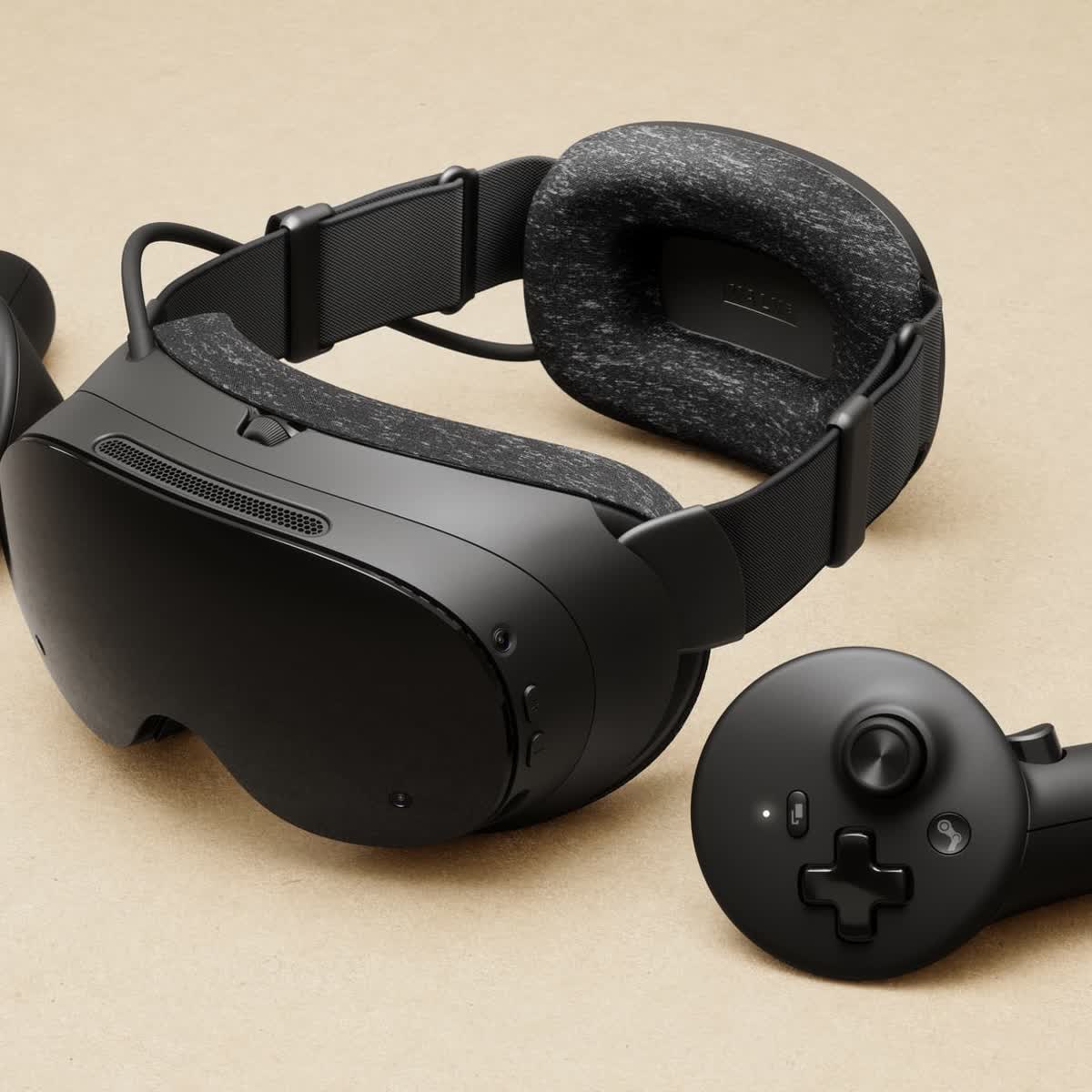
You already know the fantasy. Slip on a headset, no cable yanking your neck, and your whole Steam library is just… there. Flat games on a theater screen. Room-scale VR without lighthouse base stations. A quick session when the desktop is asleep. Valve’s Steam Frame is the first headset that tries to sell that fantasy as one SteamOS product instead of a pile of workarounds.
Here is what it actually delivers. The Frame mostly wins when your gaming PC does the heavy lifting. Standalone mode is impressive when it clicks, and still clearly early. The price asks you to care about Steam more than you care about the cheapest path into VR. Those three claims land in order below, then a clear buy-or-pass call for leisure play.
Wireless PC VR without the usual pain
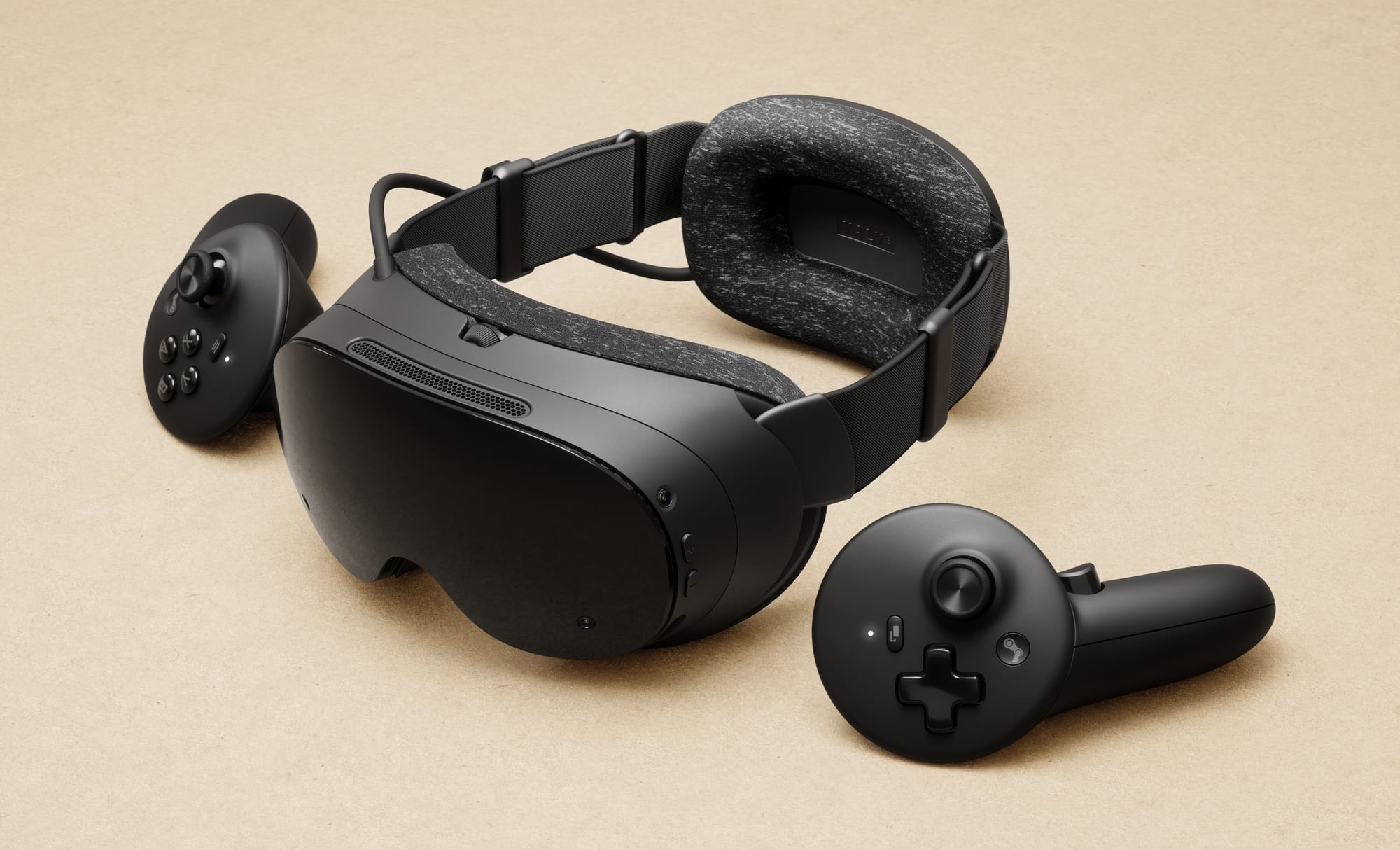
If you already have a strong gaming PC, this is where the Frame earns the money. Valve includes a 6 GHz wireless dongle so the headset can talk to your machine on a dedicated path instead of fighting your home Wi-Fi alone.
You can still stream over your own network. The dongle is the path that keeps the stream feeling serious. The clever part is eye-tracked foveated streaming. The headset watches where you are looking and spends bandwidth on the sharp center of your vision instead of blasting full detail everywhere. That is how Valve keeps wireless PC VR feeling responsive without demanding absurd bitrate every second.
Linus Tech Tips put the payoff in plain language:
“to put it plainly, knocked me right out of my chair and into a room scale experience that was unhindered by cumbersome wires and tedious base station setup.”
Linus Tech Tips
ThrillSeeker, after roughly a hundred hours with the unit, goes further on that same identity:
“this is the best wireless PC VR headset ever made. Full stop.”
ThrillSeeker
For leisure, that means couch sessions, giant virtual screens for flat Steam games, and full SteamVR titles without a cable managing your body language. If that is the habit you actually want, the Frame’s headline feature matches the pitch.
Steam Deck energy on your face
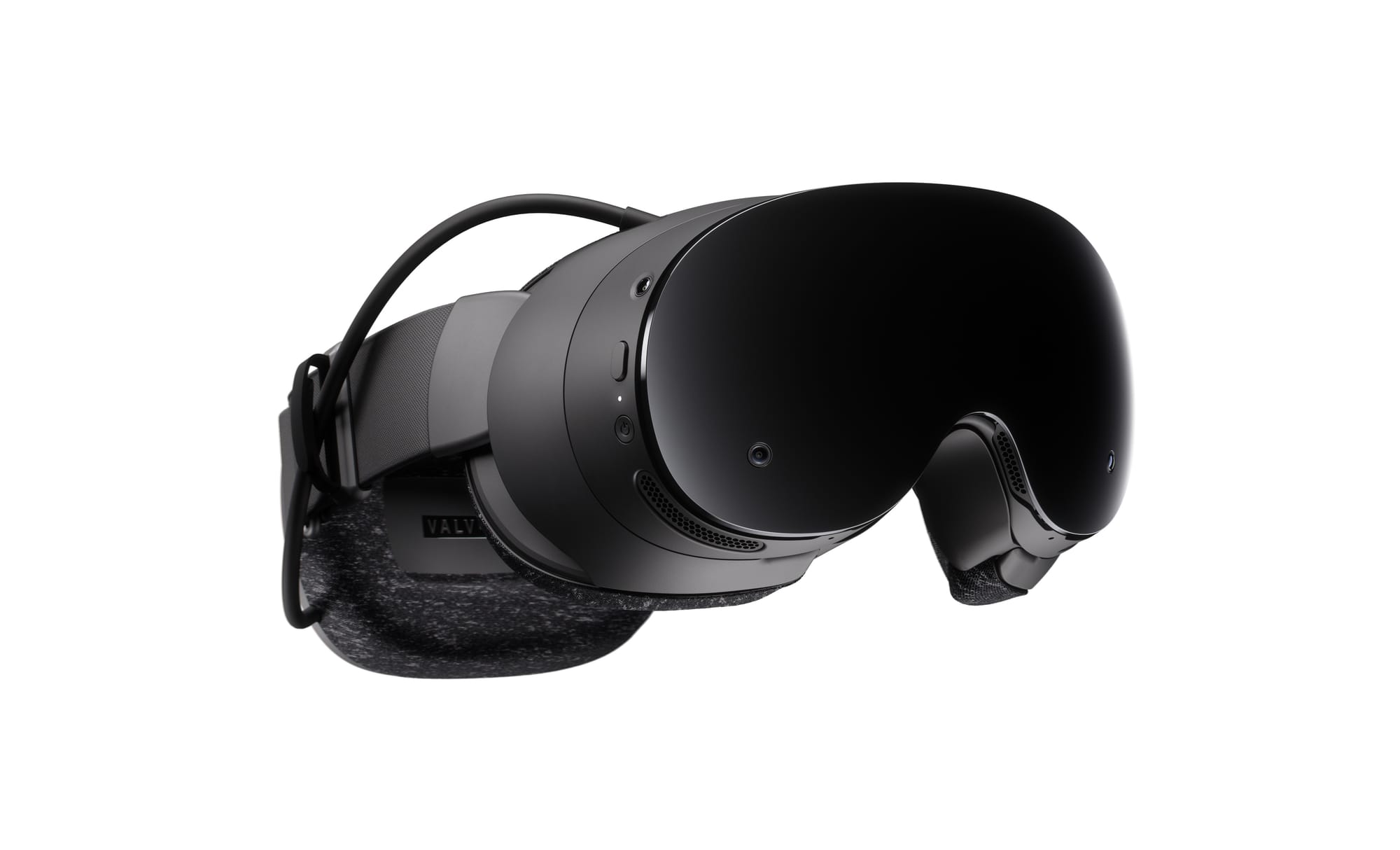
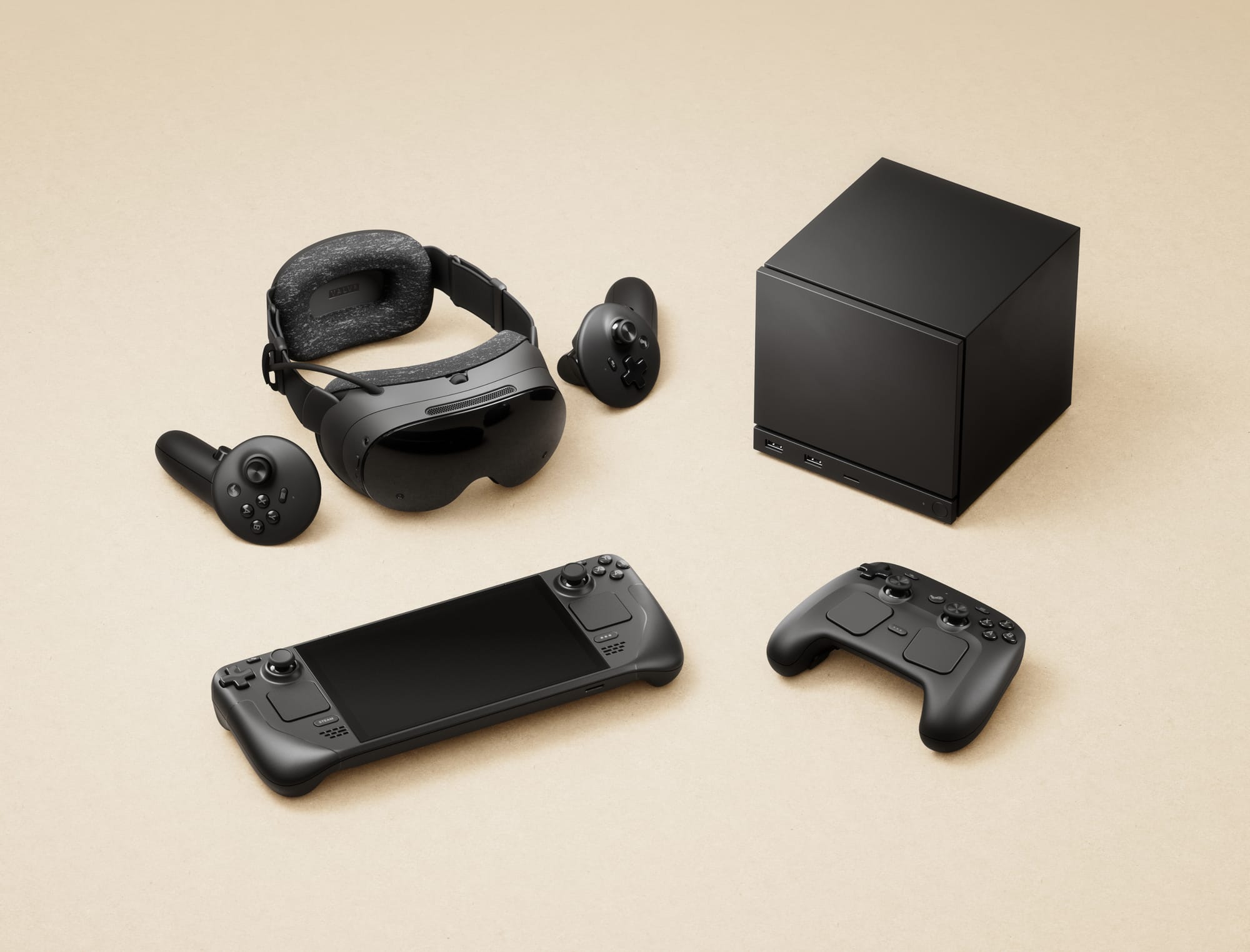
The Frame is not only a thin client. Onboard silicon plus SteamOS means you can leave the tower behind. Under the hood you get a Qualcomm Snapdragon 8 Gen 3, 16GB of LPDDR5X, dual 2160×2160 LCD panels with pancake optics, refresh rates up to 144 Hz, eye tracking, a microSD slot, and a front accessory path for add-ons like full-color passthrough modules. Stock passthrough is monochrome: fine for not walking into a coffee table, less magical for mixed-reality vanity shots.
Games built for traditional x86 Windows PCs get there through Proton and FEX, an open-source translation layer that helps those titles run on ARM. Seeing Half-Life: Alyx run on the headset itself is the demo that makes people sit up. Foveated rendering helps where your eyes actually look. On paper, Snapdragon 8 Gen 3 is a clear step up versus Quest 3 class hardware.
Then the early-platform tax arrives. The verified library is measured in hundreds of experiences, not the whole Steam catalog. Some “standalone” titles still feel like full PC builds under translation. Fans can spin up under load. Battery life in tough native VR is short: intensive sessions land around 45 minutes, with worst-case Alyx at 144 Hz dipping under an hour, and lighter 2D-style play stretching closer to an hour and forty minutes. Streaming lasts longer because the PC does the hard work. Hot-swappable batteries are part of Valve’s longer story. Until that is a simple retail fix, a USB-C power bank is the practical leisure hack.
Standalone is a real side quest, not the main campaign. Treat it as “quick session away from the desk,” not “Quest library replacement on day one.”
One kit, one price, and the quiet extras
As of mid-September 2026, the Steam Frame starts around $1,059 for 256GB and about $1,299 for 1TB. Those kits include the headset, two controllers, a USB-C cable, and the wireless dongle. Half-Life: Alyx comes along as part of the package story, which is a strong on-ramp if you have never done room-scale VR.
What is not in the box is the quiet budget trap. A separate power supply runs about $29. An ergonomics accessory kit runs about $59, with a top strap and controller hand straps. Build out the 1TB setup with those extras and you can clear $1,400.
Comfort is one of the Frame’s quieter wins. The rear battery acts as a counterweight, and the headset feels light and simple day to day. Plenty of people will still want that top strap for longer play. A hard rear plate can press wrong if your head shape does not match the stock setup. Displays are competent rather than glamorous: LCD contrast, Index-like FOV around 110° horizontal, modern “2K per eye” resolution rather than a micro-OLED flex. Pancake lenses keep the headset thin and the sweet spot usable. Strap audio is fine for most games. Nobody is promising Index speaker magic.
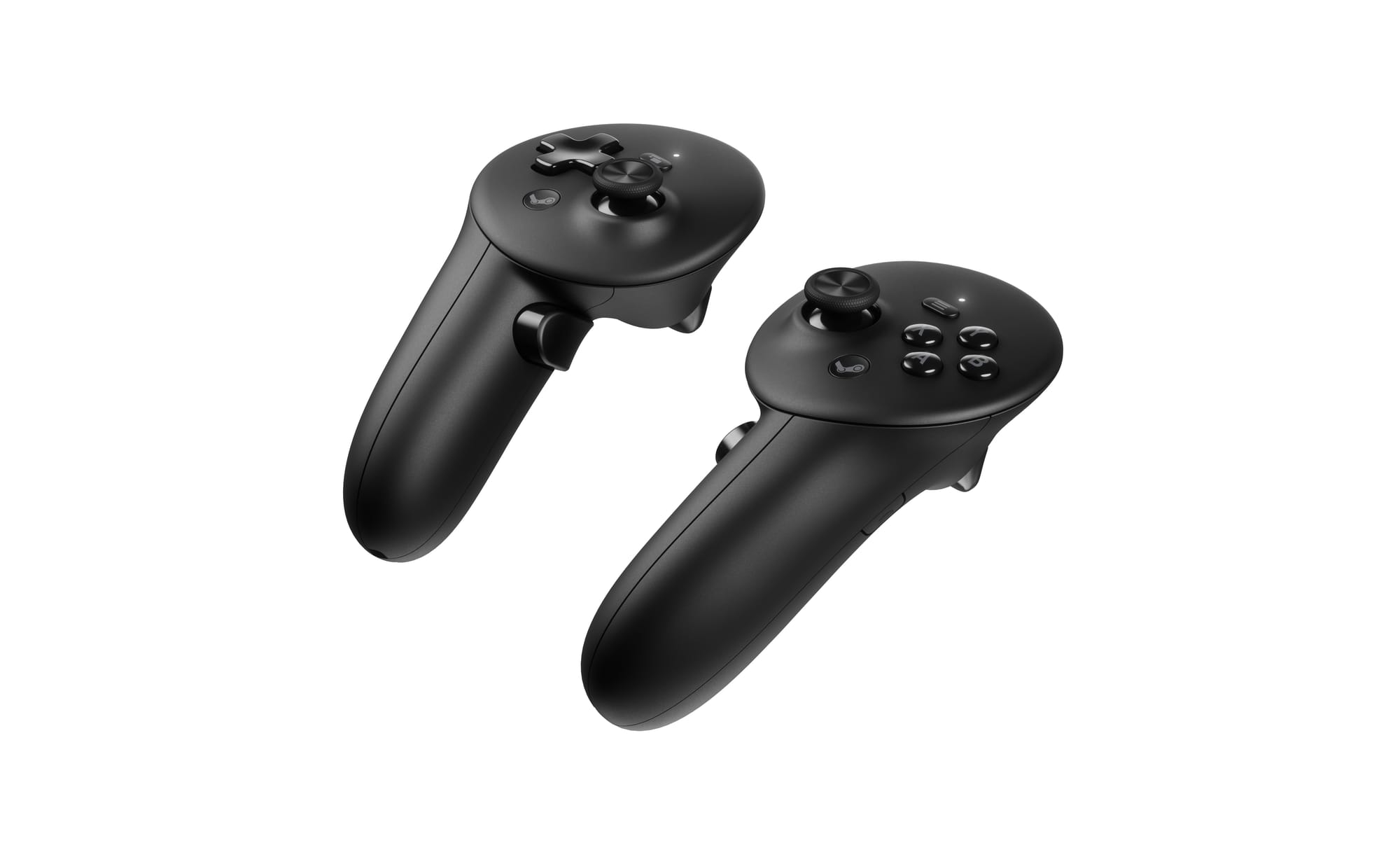
Controllers split the room. Tracking is strong, including help from sensors on the controllers themselves, and they can work in full darkness. The plastics feel chunky at first. The TMR thumb sticks, shared with Valve’s newer Steam Controller design, win people over. AA batteries are polarizing, but swapping a cell mid-session beats waiting on a recharge for some players. Finger tracking is not a polished software story yet, even with front-facing cameras present.
The sticker price is not the full leisure price. Storage tier, charger, straps, and maybe a battery bank belong in the same decision.
Who should buy it (and who should wait)
Buy this if you are a Steam-first PC VR player who wants wireless freedom, open software, and a headset that can still do a standalone session when the desktop is elsewhere. It is especially compelling if you have been waiting for Valve’s take on modern pancake optics, eye-tracked streaming, and SteamOS on your face.
Pause if you are price-sensitive, already happy with a Quest, or mainly want the cheapest path into VR. Strong hardware alone does not automatically fix VR’s bigger leisure problems: library momentum, setup friction, and whether you will keep playing after the honeymoon.
Dave2D’s caution lands the softest, and maybe the most useful, note in the whole conversation:
“despite that amazing hardware, I don’t feel like this headset solves the current problems with VR gaming.”
Dave2D
The Frame can be the best wireless PC VR box in the room and still feel expensive next to a Quest 3 for casual dipping-in. It can run Alyx standalone and still leave you hunting for the next verified title. It can ditch lighthouse base stations and still ask you to budget for a charger, straps, and maybe a battery bank.
Leisure Stacking takeaway
Treat the Steam Frame as a streaming-first Steam leisure device with a promising standalone side quest, not as a Quest killer on value. If your fun already lives in SteamVR and you hate cables, the dongle-plus-foveation combo is the feature that matches the money. If you want a cheap, grab-and-go headset for short bursts, the math is tougher.
Valve’s long game is familiar: put SteamOS, Proton, FEX, and developer tools in more hands so the software ecosystem keeps growing. Your short game is simpler. Decide whether wireless PC VR is the habit you actually want, then price the whole kit before you commit.
The Frame is the most Valve VR product imaginable: open where Meta is walled, ambitious on software translation, a little weird on accessories and battery, and genuinely exciting when the stream just works.
Watch the reviews
These three hands-on videos shaped the take above. Watch them if you want the full sessions behind the quotes and details.