The walking workout filling fitness feeds asks you to slow down for half of it. Japanese walking alternates three easy minutes with three brisk ones, five times, for a 30-minute session around the neighborhood, in a park or on a treadmill.
The payoff? More fitness from the same half hour than a steady stroll delivers.
What Japanese walking actually is
Here’s the thing: the name comes from a lab, not an ancient tradition. Researchers led by Hiroshi Nose at Shinshu University in Matsumoto, Japan, designed it for middle-aged and older adults who wanted results without a gym.
They called it interval walking training. You need no equipment, just a watch or a phone timer.
Dan Go, a fitness coach with a big YouTube following, sums up the fast part neatly: walk “like you’re late for a flight.”
Why the brisk minutes matter
Steady walking gets easier as your body adapts, Go explains, so the same route slowly stops challenging you. The fast stretches keep nudging you past comfortable.
The best part? The research holds up. In a five-month Shinshu University study of 246 adults with an average age of 63, interval walkers gained 13% in thigh strength and 9% in aerobic capacity for walking, well ahead of steady walkers. Their resting blood pressure fell more, too.

How to find your brisk pace
Skip the heart rate math. Go recommends a simple talk test: “You should be able to speak in full sentences while doing intervals, but you shouldn’t be able to sing opera.”
Mama Tenny, a YouTube creator who logs at least 10,000 steps most days, tried the method at 64. Her advice is to stop fussing over exact percentages. “The key is to see that there’s a difference.”
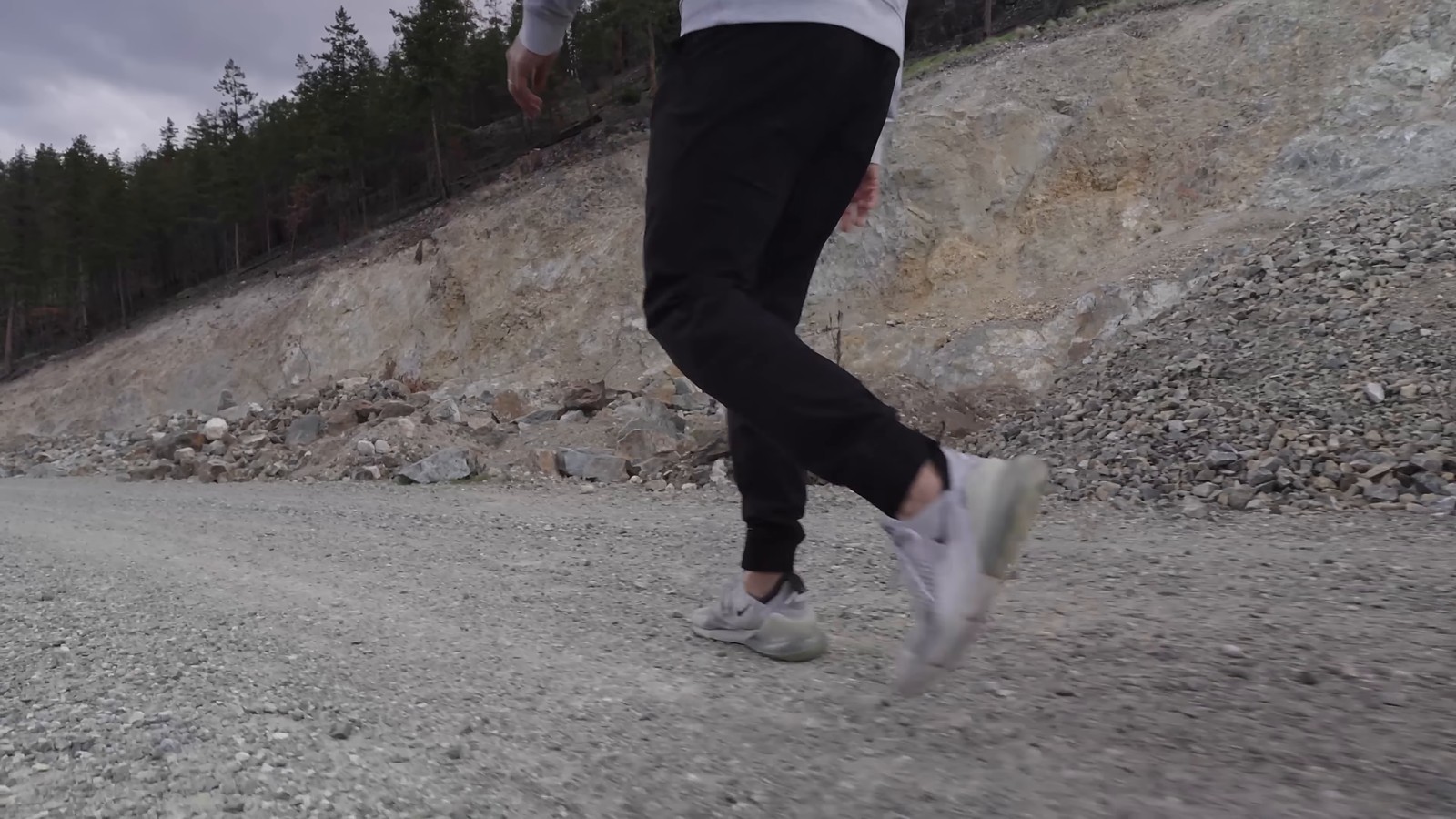
What a first session feels like
But there’s a catch. This is not a podcast stroll.
Mama Tenny’s smart ring showed her heart rate swinging between about 114 on the easy stretches and 136 on the fast ones. On her usual walk, it hovered around 100.
She felt it in her glutes and shins and finished out of breath. “I really feel like I’ve worked out,” she said.
Make it harder as you get fitter
Once the routine feels easy, raise the bar the way Go does.
- Find a hill. Save the climbs for the fast stretches.
- Add weight. Wear a weighted vest or a loaded backpack.
- Go longer. Stretch the session to 40 or 45 minutes, or add a round or two.

If your daily walk comes with a leash, our dog walking tips show how to turn that loop into a fitness habit, too.
Take Japanese walking indoors this winter
Cold mornings don’t have to end the habit. Keiko, a Japan-born fitness instructor in Canada who runs the KeikoFlex channel, leads the same intervals as a walk in place at home.
She knows the usual excuses: “Maybe it’s raining, maybe the weather is freezing cold.” A treadmill or walking pad works just as well.
Small details before you start
Aim for four or more sessions a week, as the study participants did. Begin with a few easy minutes to warm up.
In the study, easy minutes sat near 40% of each walker’s peak effort and brisk minutes above 70%. If you have a heart condition or joint trouble, check with your doctor first.
Watch: Japanese walking in action
Dan Go explains the research and how to progress.

Mama Tenny tracks her heart rate through her first session.

KeikoFlex leads a 30-minute indoor session.