Want a fitness goal that feels like an event instead of a chore? Hyrox training gives you one, and you can do most of it from your own home gym and neighborhood.
Hyrox is an indoor fitness race. You run 1 kilometer, complete one workout station, and repeat that eight times.
It is catching on fast. The organizers say the 2025/2026 season drew 1.5 million participants across 95 cities.
Here is how to get ready, with advice from two champions and a coach who races.
What a Hyrox race asks of you
The eight stations are the SkiErg, sled push, sled pull, burpee broad jumps, rowing, farmers carry, sandbag lunges and wall balls.
In the Open division, women push a sled weighing 102 kilograms and men push 152 kilograms, including the sled.
That sounds like a strength contest. It is not.
Coach Kristi O’Connell points out that “over 60% of the race is running”, and most people need more than an hour to finish.
Hyrox training starts with your running
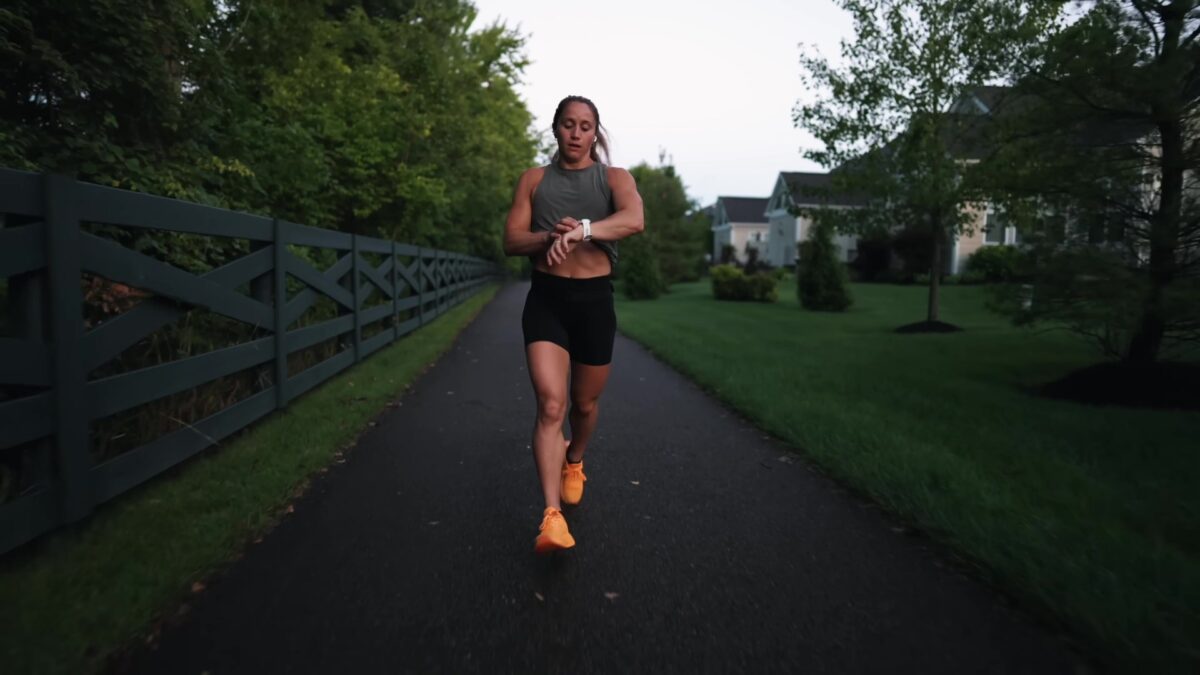
Here is the good news. Your biggest gains come from the miles outside your front door.
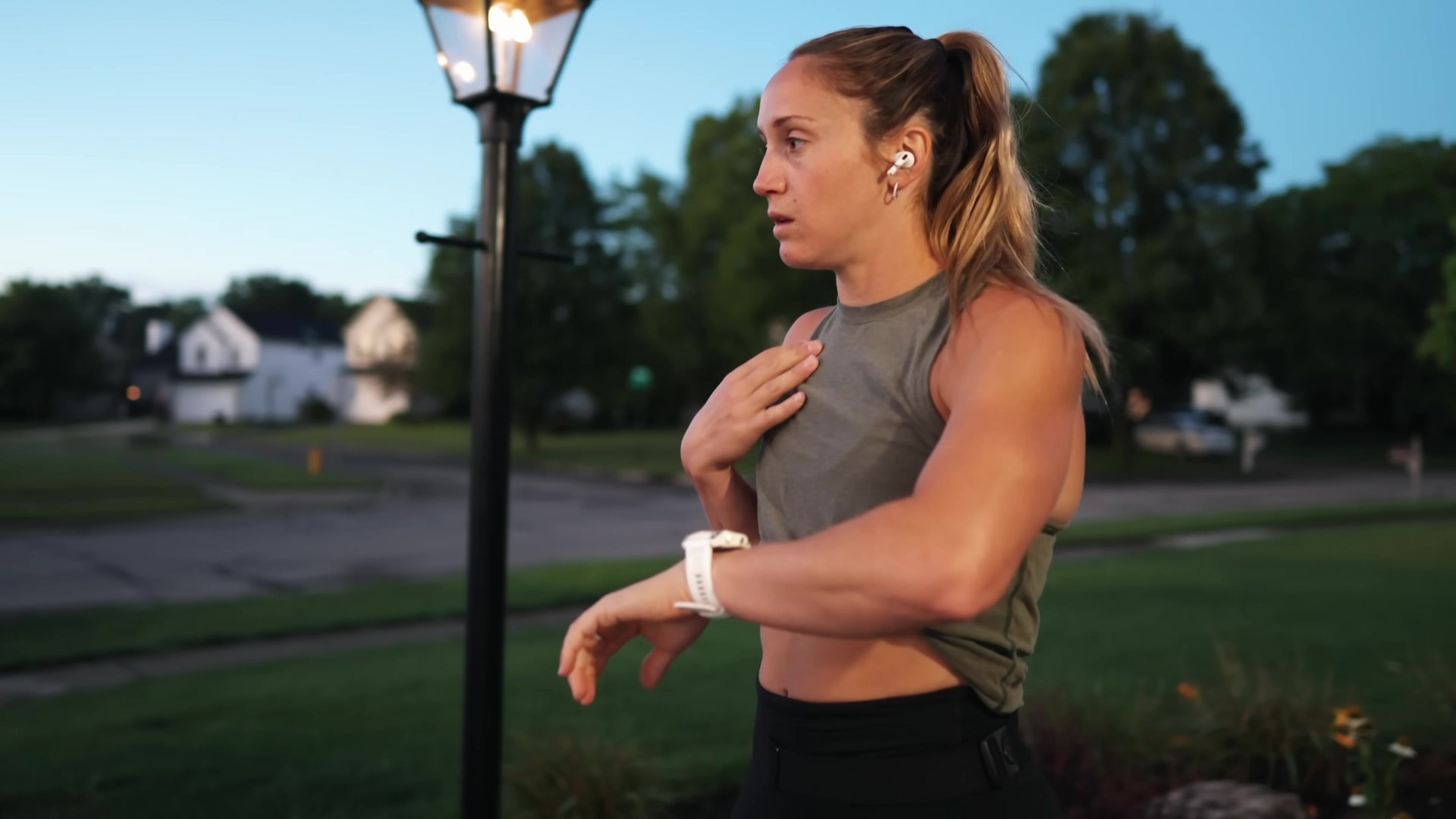
O’Connell says the two biggest needle movers are “building your aerobic capacity” and “compromised running”.
Compromised running simply means running well on legs that are already tired from a station.
Start with a long, easy base. She suggests building up until you can run 10 miles to a half marathon comfortably, even if it is slow.
Then add intervals. One example is 4 minutes hard followed by 2 minutes easy, repeated several times. The same idea works on a rower, a ski machine or a bike.
To practice compromised running, finish a set of lunges or wall balls and head straight out the door for a 1 kilometer run.
Practice the stations with what you have
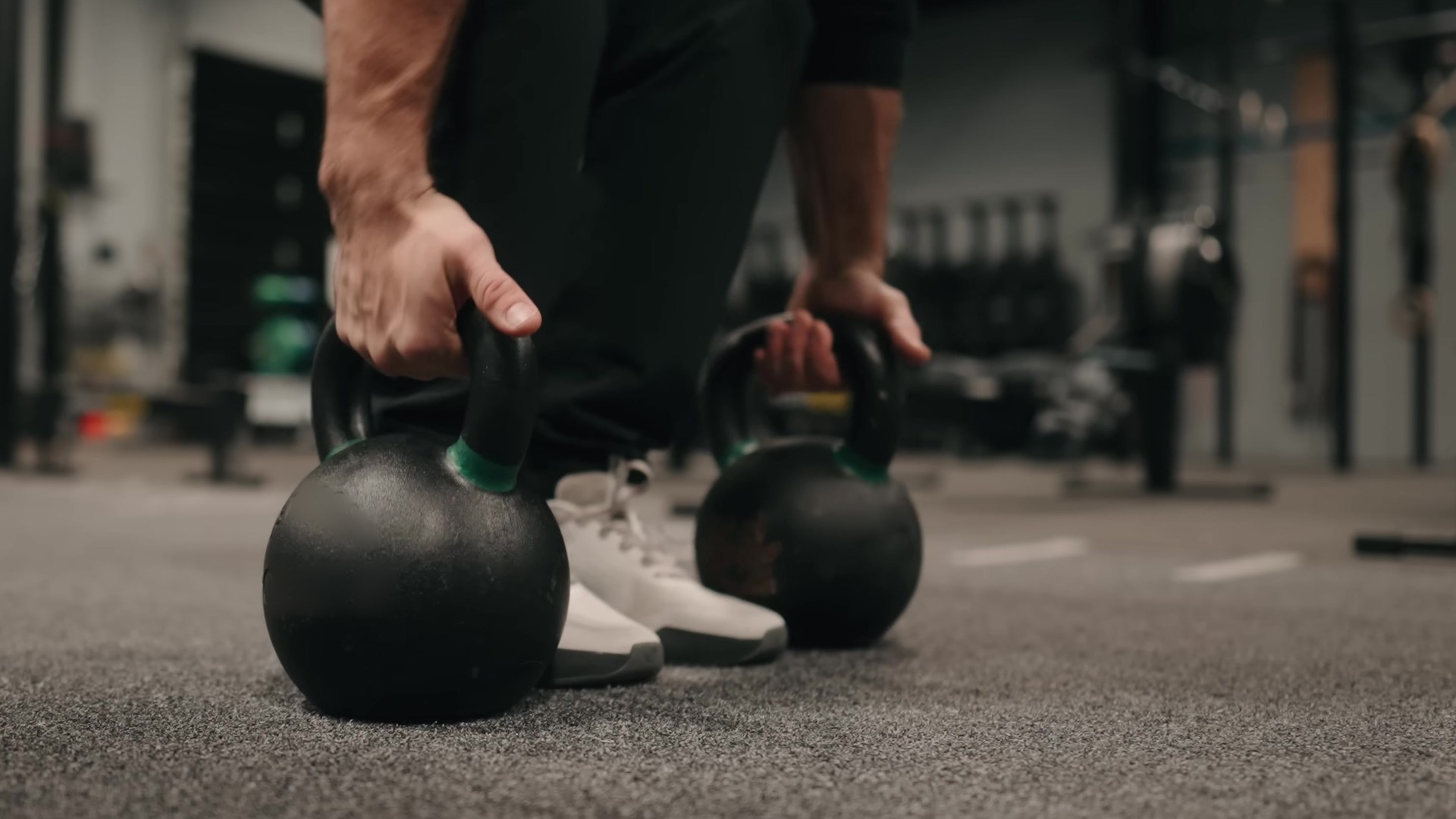
You do not need a full race setup to get ready. A pair of kettlebells, a sandbag, a wall ball and a rower cover a lot of ground.
Sleds are the exception. Book a few sessions on real sleds at a local gym, because former world champion Meg Jacoby notes that every sled and floor feels a little different.
For the farmers carry, Mat Fraser has a simple rule. “It’s a farmer carry, not a farmer walk.” Pick up the bells and move briskly.
His burpee broad jump advice is the opposite of what your ego wants. “Do not do max distance.” Short, smooth jumps save your legs for the next run.
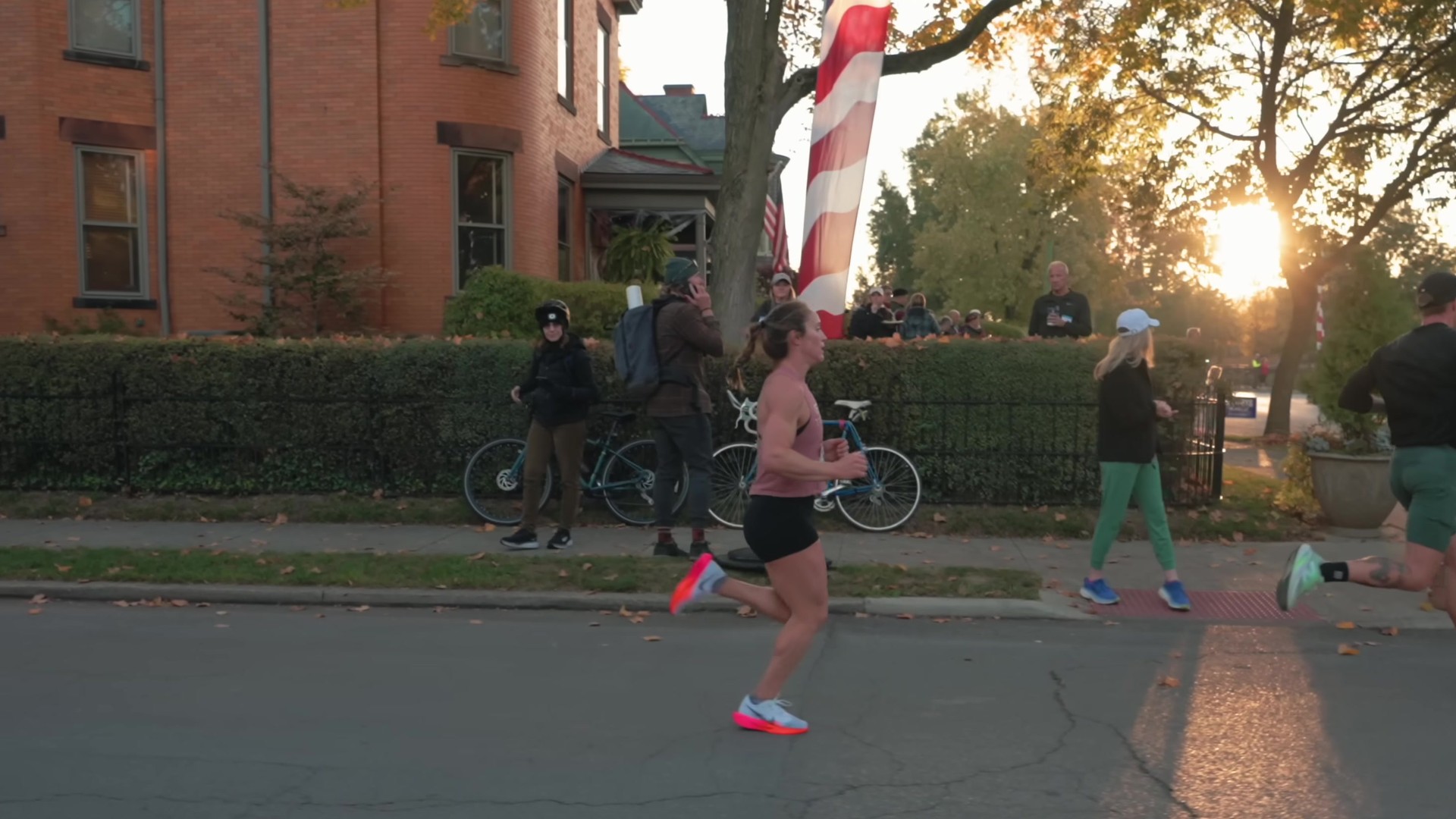
Race day: go slower than you think
This is where most first timers lose their race.
Jacoby’s tip for the opening SkiErg is to “go a little slower than you think”. O’Connell goes further and calls the ski “basically a trap”.
Fraser says the same about the sled push. “It matters who’s back running first.”
Are you a less confident runner? O’Connell suggests starting with a doubles race, where you run together and split the station work with a partner.
Fraser’s closing advice fits every level. “Take the first round or two a little bit more conservative.” After that, settle into your flow and enjoy the day.
On easy days, a gentle practice like rope flow keeps your shoulders loose between hard sessions.
Watch: Hyrox training tips from the pros
Mat Fraser walks through the sleds, the farmers carry and the burpee broad jumps, with pacing advice for each one.

Meg Jacoby demonstrates all eight stations. The video is a partnership with Centr, the brand that makes the race day equipment, and its description includes discount codes.

Kristi O’Connell explains the running base, interval training and compromised running, and she helps you choose between a solo and a doubles race.