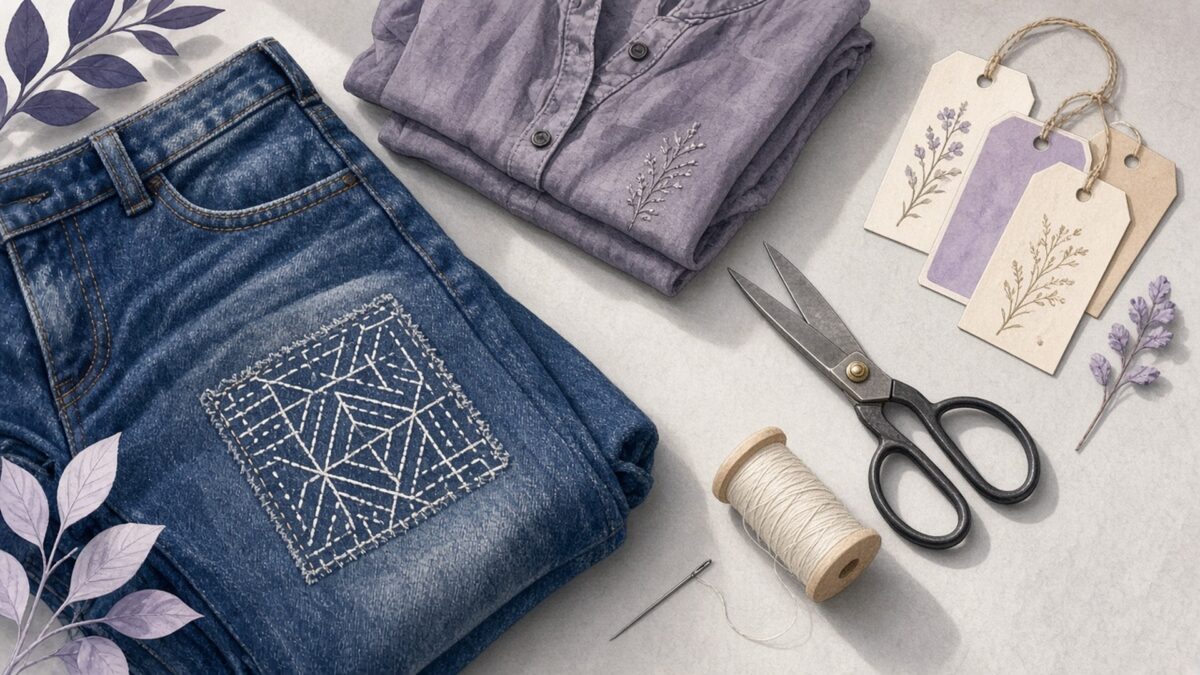
Thrift flipping used to sound like a side hustle. In 2026 it reads more like a leisure stack: hunt something secondhand, change it with your hands, and wear a result that did not come off a rack looking that way.
The hobby sits at the meeting point of thrifting, basic sewing or hand mending, and personal style. You do not need a fashion degree or a full studio. You need a thrift store trip, a few tools, and a willingness to treat clothes as material instead of finished products.
That shift is not a niche mood board anymore. It is showing up in search data, social craft trends, and even brand repair programs.
Why thrift flipping is rising right now
Pinterest’s 2026 Hobbies Trend Report groups the moment under “Secondhand Sidequest.” People are hunting deadstock tees, vintage sportswear, and archive streetwear, then remaking those finds instead of chasing new drops. According to Pinterest data shared with Vogue Business, searches for “thrift flip ideas” are up 610 percent, “sashiko ideas” are up 1,509 percent, and “crochet upcycle” searches are up 523 percent.
The wider craft boom backs that up. TikTok United Kingdom’s head of emerging communities told Vogue that #CraftTok videos rose 60 percent globally over the past 12 months, while #SewingTok videos rose 90 percent. The same Vogue Business piece notes that on October 1, 2026, Levi’s expanded its Wear Longer Project into Europe, teaching skills such as sewing on buttons, patching holes, and repairing hems.
In other words, the culture is rewarding people who keep clothes in play. Thrift flipping is the leisure version of that idea: less “list it on a marketplace,” more “make it yours on a Saturday afternoon.”
Start with a quick fix, not a full redesign
The easiest thrift flip is not a dramatic costume change. It is a fit fix.
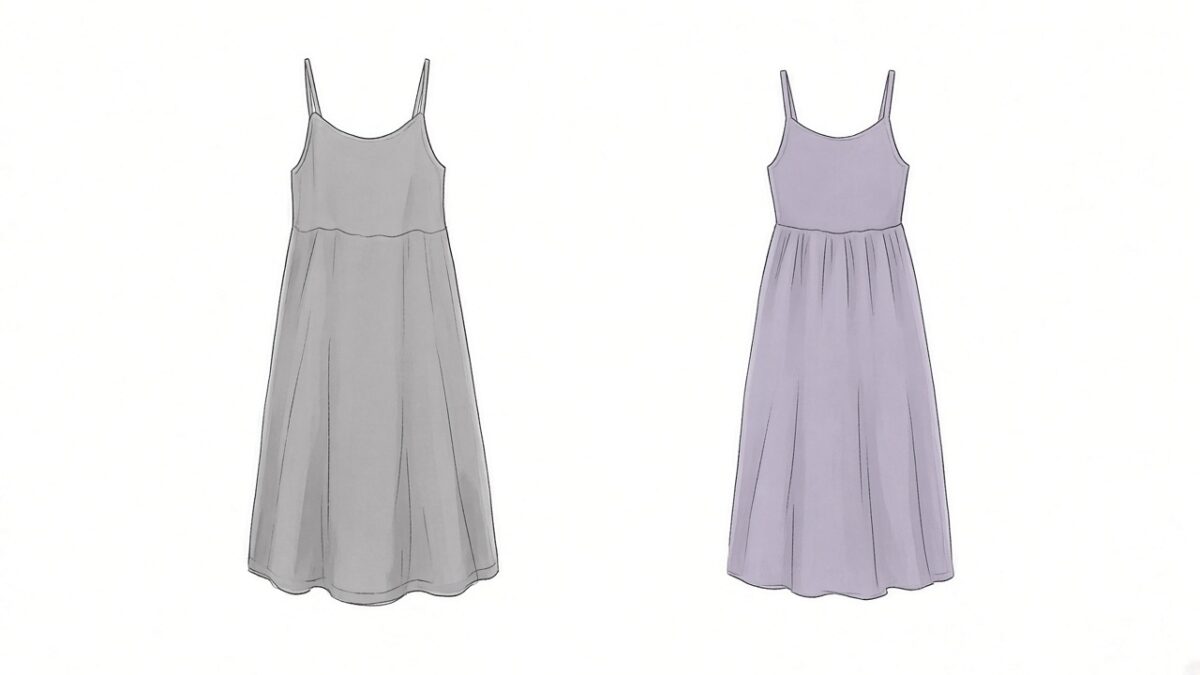
In Thrifted Quick Fix | Ep. 1, April of the channel coolirpa walks through a small thrift haul and the tiny alterations that make the pieces wearable. She takes in shoulder seams on a crocheted mesh dress so the waistline rises and the dress hits her height better. She shortens straps and hem on a pinstripe overall dress. She trims a skirt lining so the outer layer drapes the way she wants.
Her framing is the hobby in miniature:
I’m going to show you how I make quick adjustments to the clothes I find so they can fit me better.
April, coolirpa
That is leisure stacking without drama. One thrift trip. One needle or sewing machine session. One garment that suddenly feels intentional.
If you are new, borrow that checklist:
- Shop for shape and fabric first, not for a finished look.
- Pick one change: straps, hem, lining, waist, or sleeves.
- Stop when the piece fits your body and your week, not when it looks like a runway remix.
A successful beginner flip is clothes you will actually wear next Tuesday.
Use inspiration boards without copying outfits
Once quick fixes feel easy, thrift flipping becomes a creative practice. Nicole Leilani’s sew-with-me video is useful here because she treats thrifted tops and leftover slip dresses as raw material for baby-doll silhouettes and Pinterest-inspired details.
She screenshots outfits she likes, then builds toward that mood by cutting lace, swapping straps, and stacking fabrics onto thrifted bodices. The point is not exact replicas. The point is a direction.
She also names why the hobby sticks:
I’ve been in the mood to sew because it’s very calming for me and something I can focus on when I’m stressed.
Nicole Leilani
That line matters for Leisure Stacking readers. Flip sessions work as stress relief and as style play at the same time. You get offline focus, a tangible before-and-after, and a closet that slowly starts matching the boards you keep saving.
A practical way to stack this level:
- Keep a private album of silhouettes, not brand names.
- Thrift for base pieces in solid colors or simple shapes.
- Add one detail per project: lace overlay, shortened hem, gathered waist, or new straps.
- Wear the result three times before starting another ambitious flip.
Building on something already made is faster than sewing from scratch. Nicole says as much when she notes that upgrading a simple finished piece is easier than constructing every layer yourself.
Learn visible mending when the fabric is good but the wear shows
Not every thrift find needs a new silhouette. Sometimes the jacket, jeans, or workwear piece is already right, except for a hole, thin patch, or frayed knee.
That is where sashiko and visible mending enter the Secondhand Sidequest story. Sashiko is a traditional Japanese stitching practice that uses running stitches, often in geometric patterns, to reinforce cloth. Visible mending keeps the repair readable on purpose. The stitches become part of the garment’s look.
Xiaoxiao Yarn’s tutorial Repair Jeans with Sashiko and Whipstitches is a clear on-ramp. She cleans frayed edges, marks beyond the weak fabric, attaches an inner patch, secures it with whipstitches, then adds sashiko grids for strength and style.
Her promise is both practical and aesthetic:
Not only will this technique make your patches more durable, but it will also add a unique aesthetic to your garments.
Xiaoxiao, Xiaoxiao Yarn
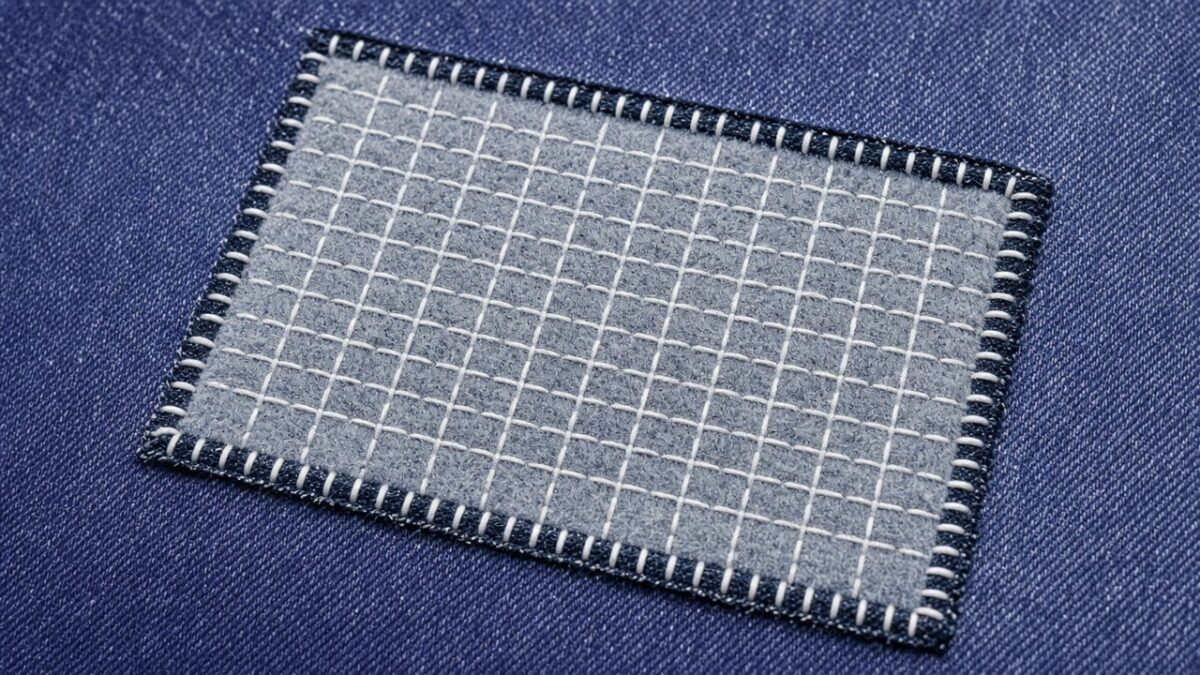
You do not need a sewing machine for this lane. A sashiko needle, sturdy thread, a thimble for denim, scissors, and a scrap of cotton or linen are enough to start. Insert a notebook between jean layers so you do not sew the leg shut. Mark a simple grid. Keep stitches even. Stop when the weak area feels supported.
Visible mending pairs especially well with thrift flipping because thrift clothes often arrive with honest wear. Instead of rejecting a great fabric for one hole, you turn the repair into the signature.
How to leisure-stack thrift flipping
Treat thrift flipping as three hobbies that share a weekend, not as one giant project.
Stack 1: the hunt. Give yourself one thrift store or one rack. Look for natural fibers, interesting texture, and pieces one alteration away from fitting. Leave when you have two or three candidates.
Stack 2: the make. Schedule a short sewing or mending block the same day or the next evening. One garment per session beats five half-finished experiments.
Stack 3: the wear and note. Photograph the before and after for yourself. Write one line about what worked. That tiny log turns random crafts into a practice you can improve.
Optional add-ons that still feel like leisure, not labor:
- A repair kit drawer so tools are ready.
- A scrap bin for patches and straps.
- A walk in the finished piece so the hobby leaves the sewing chair.
If you ever feel the hobby tipping into inventory pressure or resale stress, pull back to wearable experiments. The rising version of this craft is about keeping clothes in use and making time feel productive in a tactile way.
Leisure Stacking takeaway
Thrift flipping is having a moment because it answers what a lot of people want from hobbies in 2026: something offline, handmade, and visibly finished. Pinterest’s Secondhand Sidequest numbers, the SewingTok surge, and repair-minded brand programs all point the same direction. Clothes are becoming projects again.
Start with coolirpa-style quick fixes so you build confidence on fit. Move into inspiration-led upcycles when you want creative play. Add sashiko or other visible mending when good fabric deserves a longer life. That ladder keeps the hobby light enough for a weeknight and rich enough for a long afternoon.
You do not need to launch a shop. You need one thrift find, one change, and the satisfaction of putting it on.