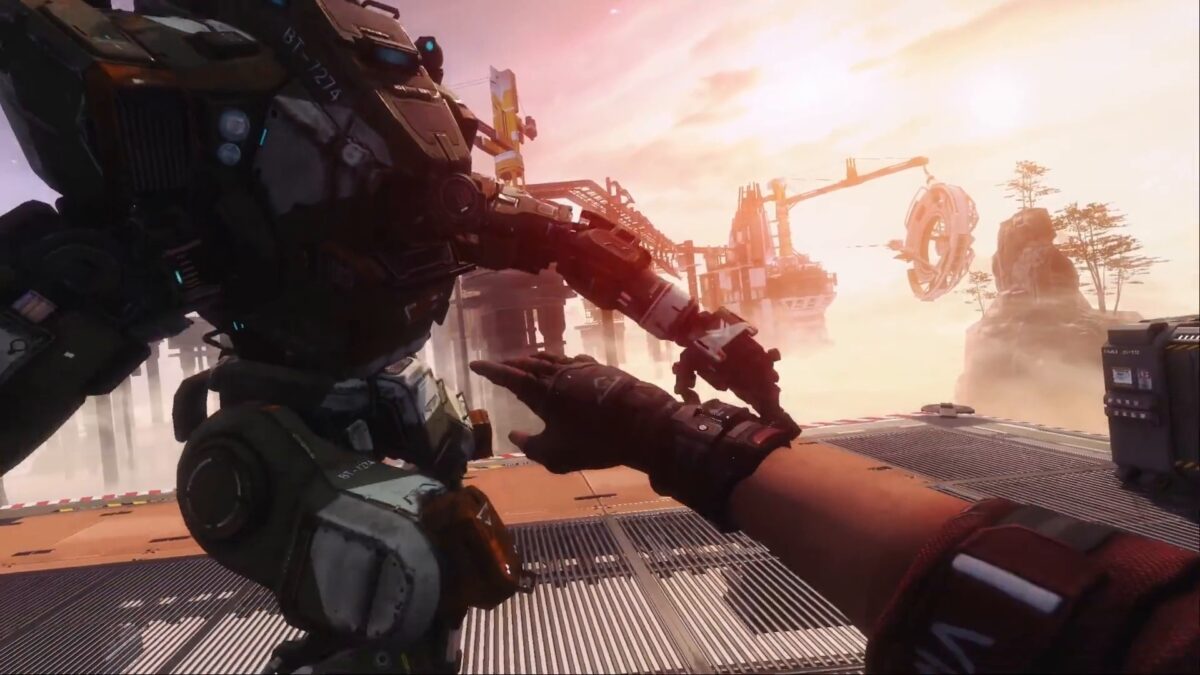
The most talked about virtual reality (VR) game this fall is not a new VR game. It is the Titanfall 2 VR mod, a free fan conversion of a 2016 shooter campaign that solo modder Jordan “CircuitLord” Juarez released on September 30. Reviewers keep calling it one of the best things they have played in a headset. They also keep warning about the same thing: this is a game where you run on walls. If you have a gaming PC (personal computer) and a headset, here is what the coverage agrees on, where it splits, and a comfort-first way to turn a six-hour campaign into two weeks of evenings you actually enjoy.
Why the Titanfall 2 VR mod is suddenly everywhere
In less than three weeks, eight of the most watched YouTube videos about the mod have pulled in more than 2.2 million views combined, led by MERPTV’s first playthrough at about 531,000. The Verge’s Sean Hollister called it “one of the top five VR games I’ve ever played” on October 7, and UploadVR, a VR news site, gave it a full review on October 14. The installer’s own download counter on GitHub shows more than 87,000 downloads of the builds released since September 29. Treat that as a ceiling, not a player count, because the installer updates itself and every update counts again.
The game itself is getting a second life too. On Steam, Titanfall 2 averaged about 1,600 players at a time over the last 30 days, up 26.5 percent from September, according to the tracking site SteamCharts. Not bad for a game that turns ten on October 28.
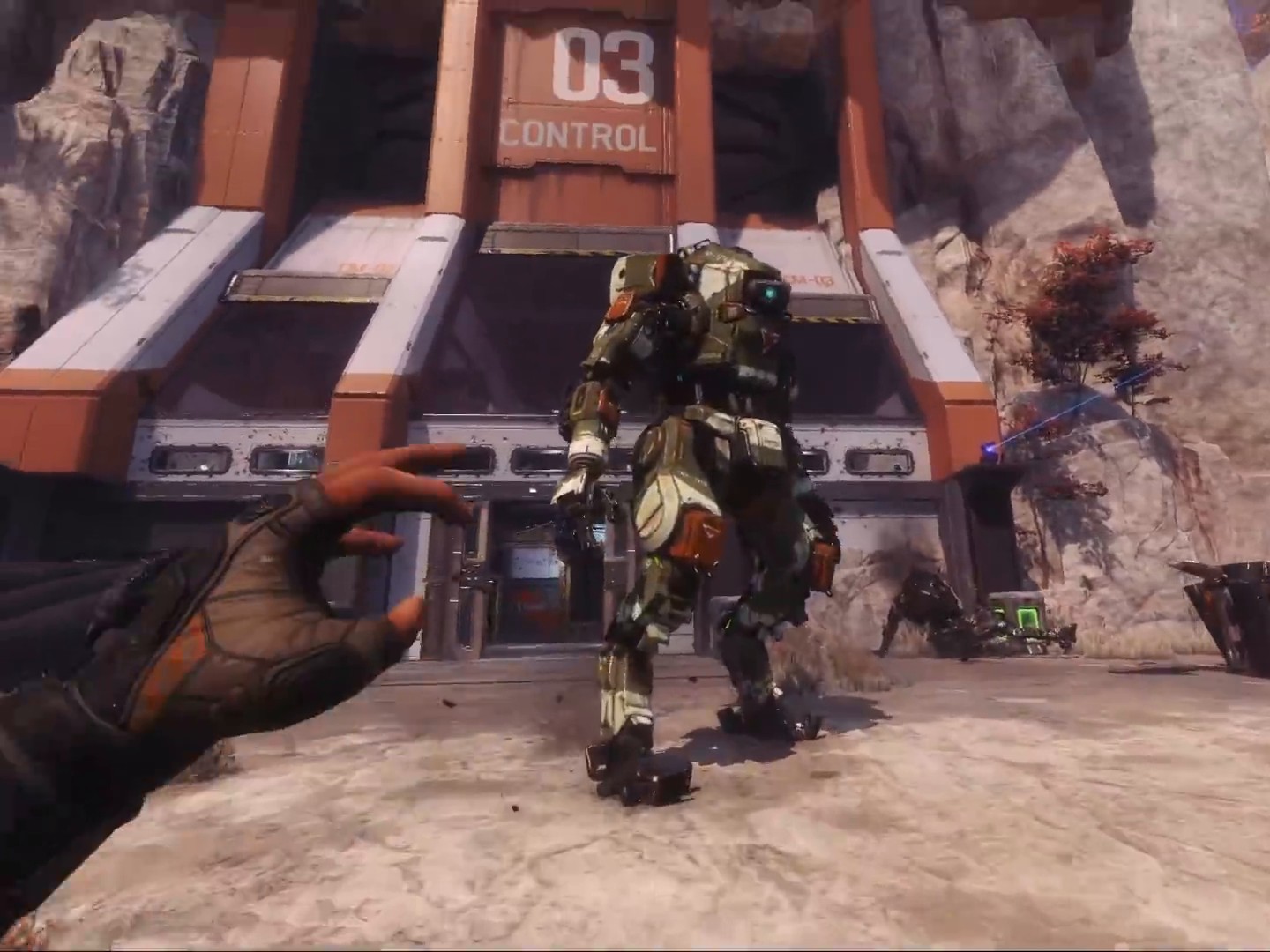
Part of the appeal is who made it. Juarez told The Verge he has worked on VR games including Gorilla Tag and Synth Riders, and he spent the build rewiring the game’s own animations so that every gun can be reloaded by hand. He is quick to share the credit: “A lot of the praise I’m getting really should be going to the developers who crafted the amazing environments, sound effects, and story that so many people are now experiencing for the first time.”
What the reviews agree on
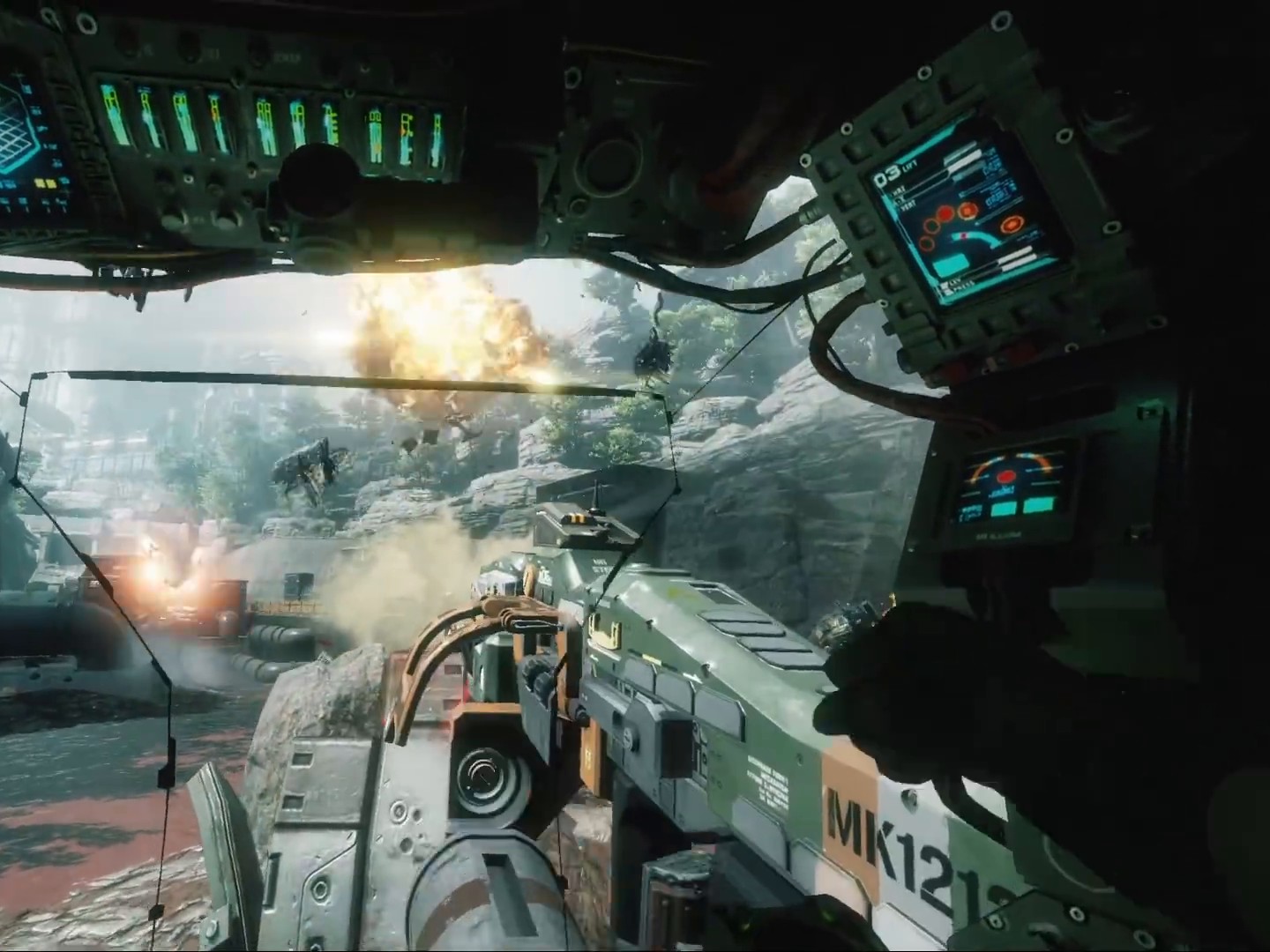
Almost everyone says it feels like it was built for VR. Beardo Benjo, whose review has more than 365,000 views, says “This feels like a native VR game,” and Frontways Larry puts it at “95% of the way there to being a native VR game.” You grab fresh magazines from over your shoulder, rack the slide yourself, and punch by actually punching. Inside a Titan, you can look around the cockpit and move its giant arms with your own hands. Raise a hand to your brow and the game shows your next objective.
They also agree that the story lands harder in a headset. UploadVR’s James Tocchio wrote that “the best parts of Titanfall 2 VR are the parts with heart,” meaning your Titan partner, BT, who towers over you, carries you in his hand, and trades thumbs up with you. The YouTuber habie147, who skipped Titanfall 2 when it came out, put it more simply: “the scale of this game in VR is just perfect.”
Where they split: power, polish, and your stomach
Power. Tocchio found the shooting slower and sometimes awkward, and warns that “every now and then you’re going to fumble with weapons or screw up a reload.” Beardo Benjo felt the opposite, saying “two-handing weapons feels as good here as it does in any native VR game.” Tocchio frames the trade well: “Feeling powerful, or feeling connected?” If you loved the story more than the speed, this may be the best way to play it.
Polish. UploadVR reported “zero bugs and no crashes” across the whole campaign. The Verge, playing a week earlier, hit scopes that sometimes showed black and a few weapons that were hard to pick up, and noted that most cutscenes play on a flat screen. Juarez is still patching, so your experience depends partly on which version you install.
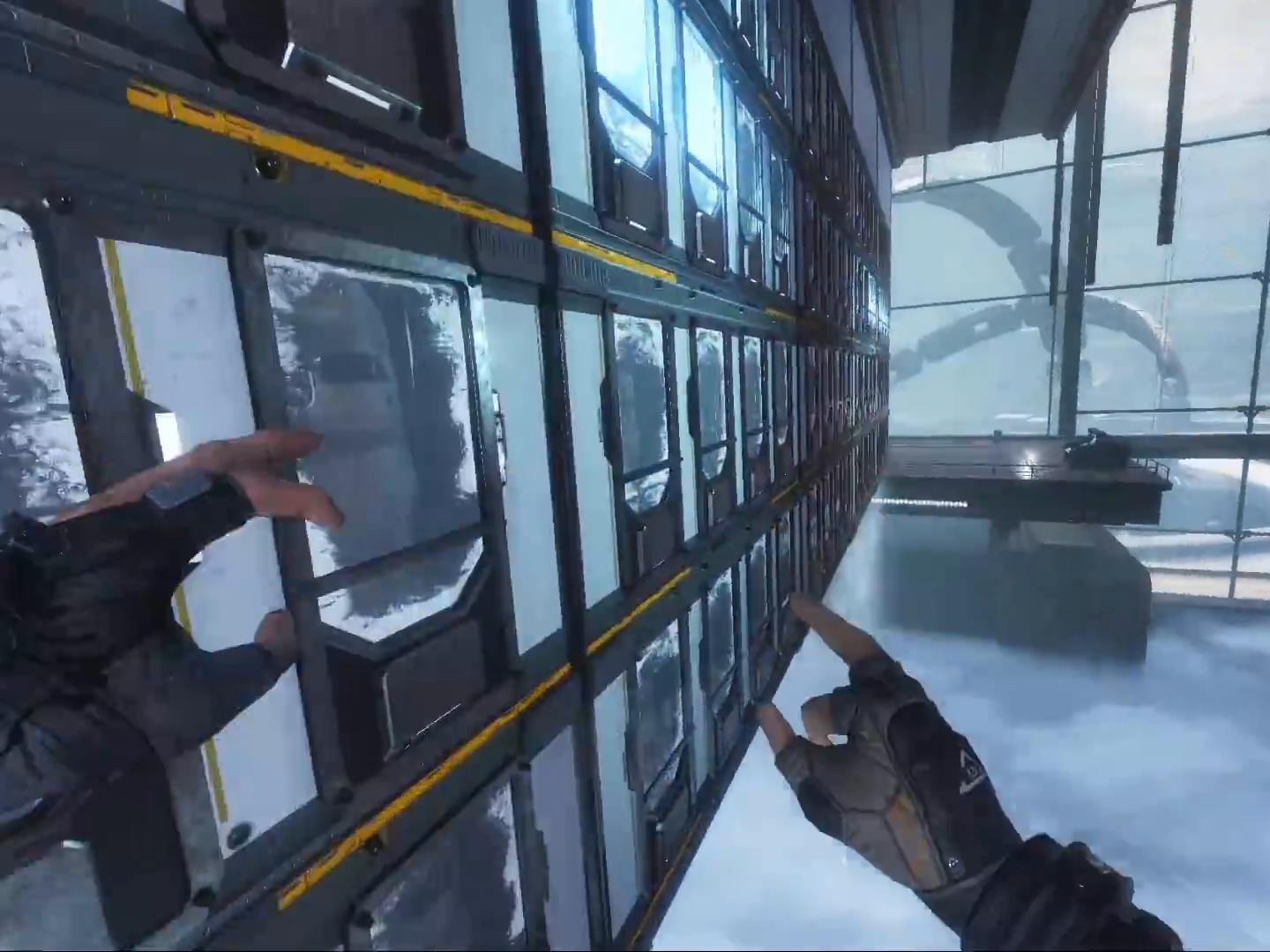
Comfort. This is the biggest split. Hollister expected to feel sick and mostly did not: “A few hours in, I only feel the familiar twinge of simulator sickness if I shove the analog stick too far and turn my Titan too fast.” Road to VR’s Scott Hayden says it is “not going to be for everyone,” and that while snap turning helps, “there’s only so much that can be done” about wall running and grappling. Frontways Larry is blunter: “If you get motion sick in VR, this might be your final boss.” Keep in mind that all of these reviewers play a lot of VR, so a casual player may need more time to adjust.
What you need before your first session
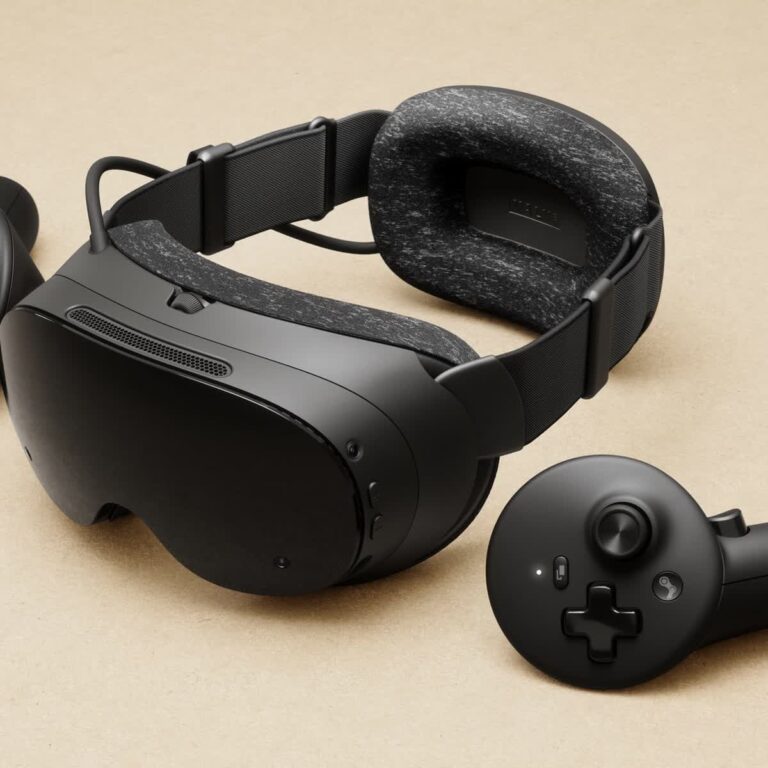
- A Windows PC and a headset that connects to it. Nothing here runs on a headset by itself. UploadVR says it works with any headset that can connect to a PC, such as a Quest on a PC link or Valve’s Steam Frame. There are no official minimum specs, but The Verge says some players report it running on older or midrange graphics cards.
- Your own copy of Titanfall 2. The installer finds Steam, EA (Electronic Arts) app, and Xbox copies. It was $29.99 on Steam on October 18, after an 85 percent off sale earlier this month, and The Verge notes it goes on sale often, so a wishlist alert can save you money.
- The EA app, signed in, plus SteamVR or your headset’s own PC software running before you launch.
- CircuitLord’s installer. It puts the mod in a separate profile, and “Launching Titanfall 2 normally stays unmodded.” The VR campaign keeps its own save file, separate from the flat game. The project says plainly that it is a community effort “not affiliated with or endorsed by the game developers or publishers.”
One more thing: this is a grown up game. Titanfall 2 is rated M for Mature by the Entertainment Software Rating Board (ESRB) for blood and gore, language, and violence, and Frontways Larry noticed that in VR it is “not light on gore.” The mod covers the single player campaign only. Juarez told The Verge he is working on private VR multiplayer servers, but there is no date.
A comfort-first Titanfall 2 VR mod plan for two weeks of evenings
The campaign takes about six hours for a typical player, according to HowLongToBeat. That is perfect for short sessions spread across two weeks, which is also the gentlest way to build tolerance. The goal each night is to stop while it is still fun.
- Before you start, if you are new to VR movement: MERPTV, who used to get motion sick himself, suggests playing “VR games where you’re stationary first,” then games where you walk, then ones where you run and jump, to “train your brain to not get motion sick in VR anymore.”
- Night 1, about 20 minutes: set up comfort first. In the mod’s VR settings, VR DaD shows options for snap or smooth turning, a comfort vignette that darkens the edges of your view while you move, and flat or 3D (three dimensional) cutscenes. Choose snap turning, leave the vignette on, and keep cutscenes flat, since VR DaD notes the mod labels 3D cutscenes as intense. Play the training course, then stop.
- Nights 2 to 4, about 30 minutes each: the early missions, mostly on foot. End the session at the first hint of sweat or queasiness, not after you push through it.
- Titan fights: turn slowly. Hollister’s only twinge came from spinning his Titan too fast, and a recent update lets you turn the Titan by aiming far to the left or right instead of using the stick.
- Nights 5 to 10, about 45 minutes each: roughly a mission a night. Turn the vignette off only once you feel completely fine with it on.
Then make it a stack. This is where leisure stacking helps: pair each session with something that resets you, like a ten minute walk outside or a glass of water on the porch, so the headset is one part of the evening and not all of it. It can be social, too. SteamVR can mirror your view on the PC monitor, so someone on the couch can follow the story with you.
Juarez hopes mods like this can “jumpstart” VR and “show studios how much fun VR really can be.” For the rest of us, the lesson is simpler: one of the best VR adventures of 2026 is a game many people already own, and the right setup matters more than a new headset.
Watch: three first looks at Titanfall 2 VR
MERPTV plays the opening missions for the first time and shares how he got over motion sickness.
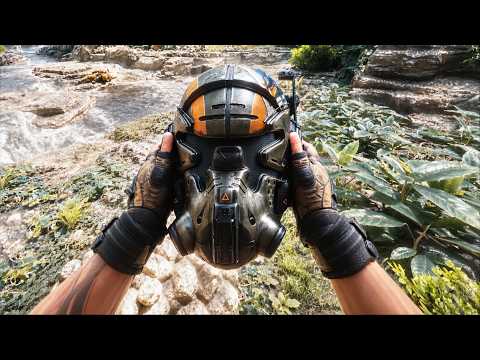
Beardo Benjo shows the hand reloads and Titan controls up close.

The YouTuber habie147, who never played Titanfall 2 in 2016, finally tries it in a headset.