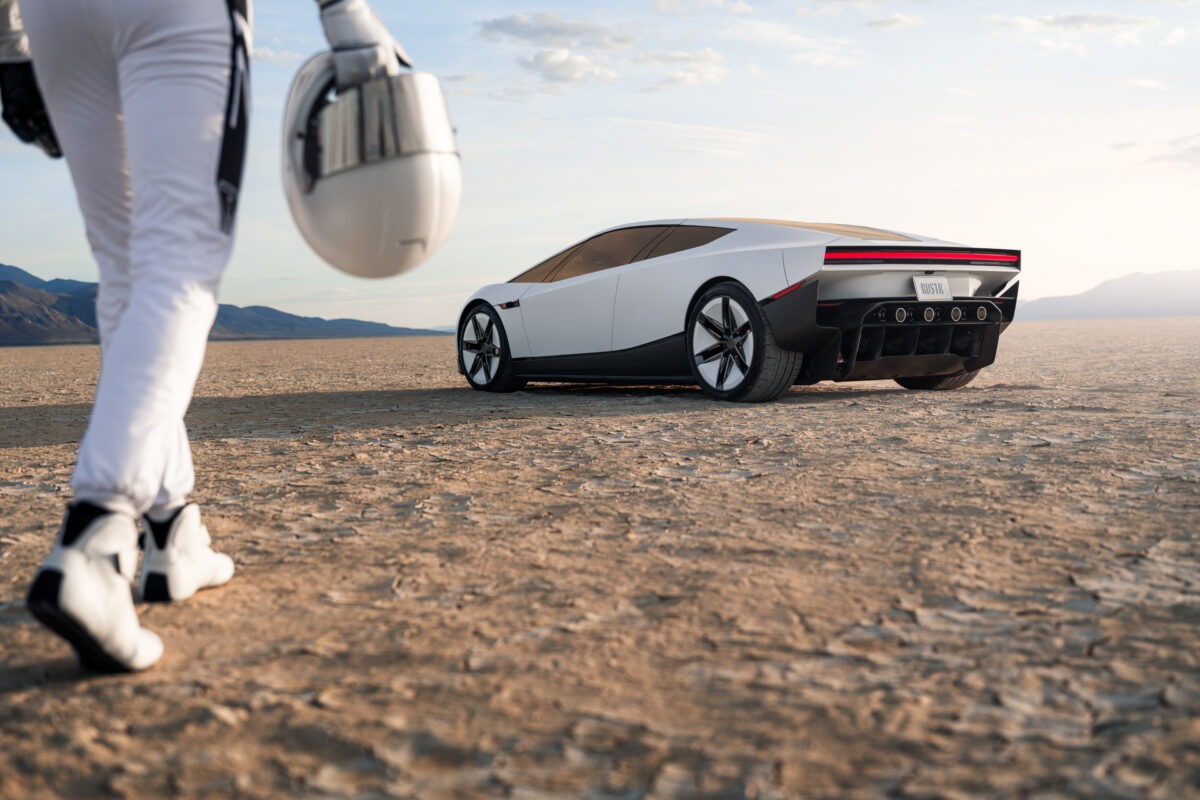
Car collecting is a leisure hobby with a long waiting list. On October 15, 2026, Tesla finally showed the next Roadster at a SpaceX test site in McGregor, Texas, after first teasing it in 2017. For people who treat cars as play, not just transport, the night answered the big questions: who can buy one, when it arrives, what it costs to reserve, what it can do, and whether it really flies.
Think of the Roadster less as a daily driver and more as the ultimate enthusiast toy. It is rare, expensive, and built to do stunts no normal sports car will attempt.
Will every car aficionado get one?
No. Tesla split the car into three versions, and access gets tighter as the thrusters get wilder.
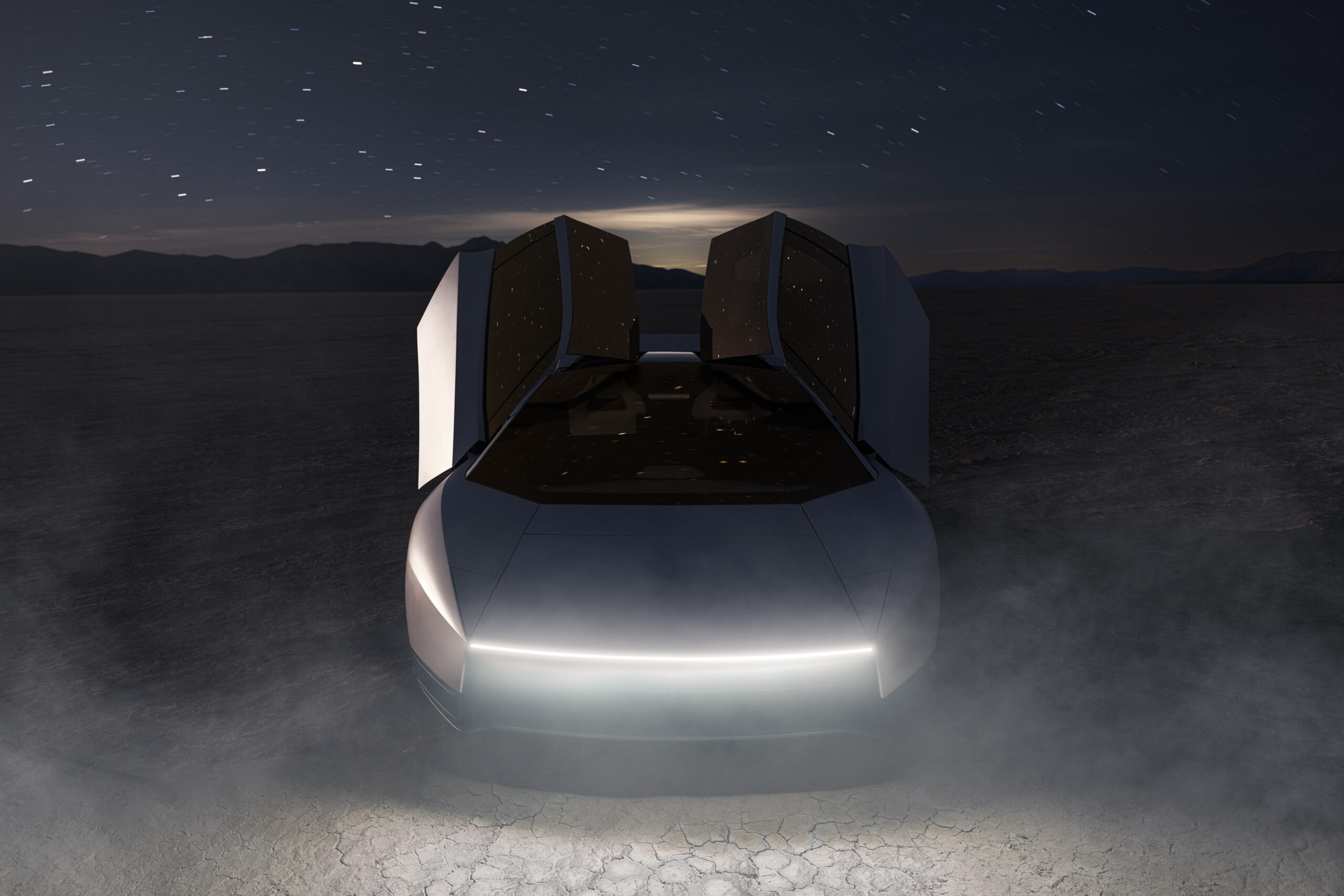
Performance is the road-ready two-seater. It uses active aerodynamics and a multi-mode suction system that pulls the car down onto the pavement for grip. Anyone who can put up the reservation deposit can join this queue.
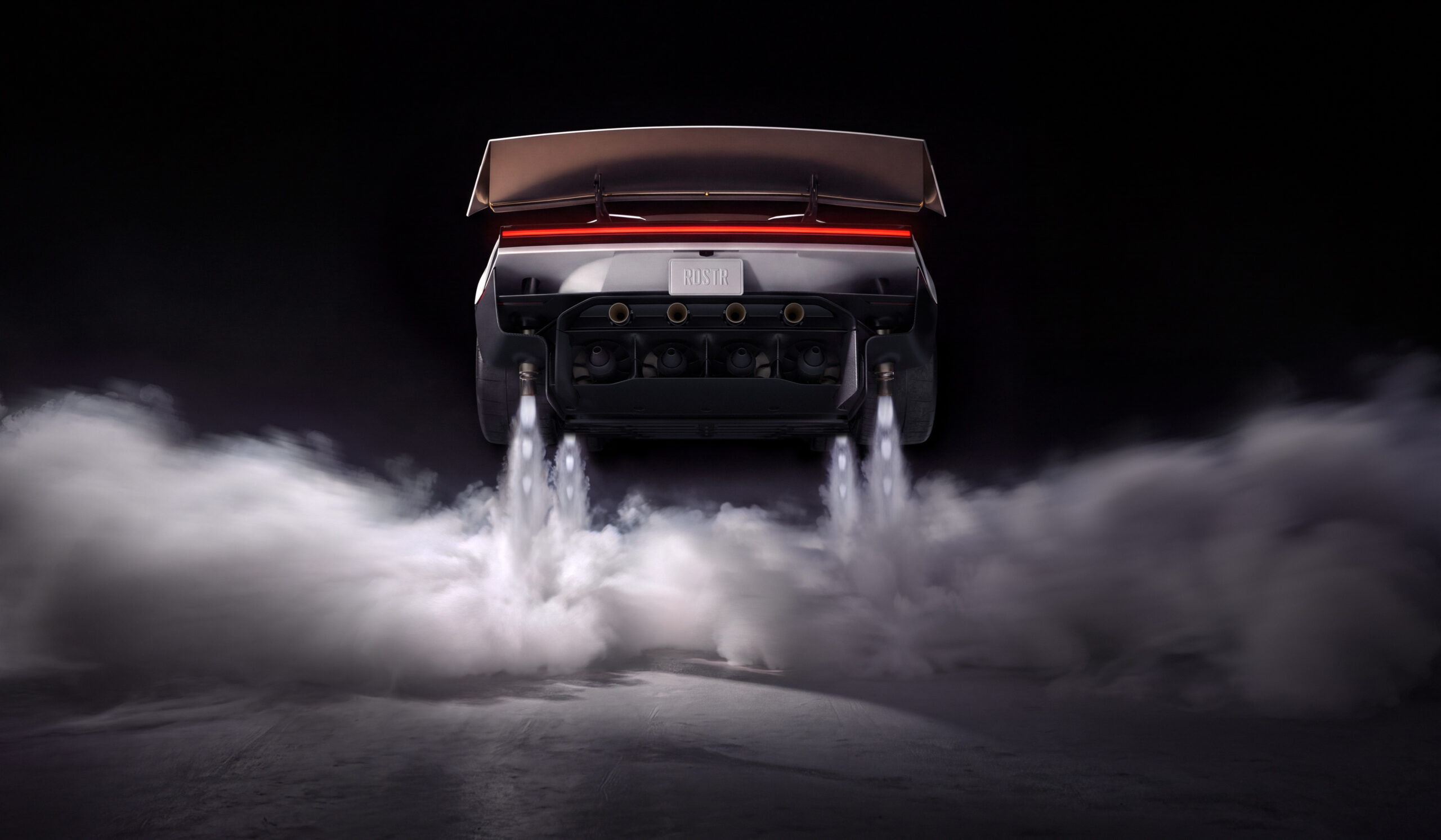
Thrust is the race-ready two-seater. It adds rear-mounted cold-gas thrusters so the car can push past what tires alone can do. Tesla lists the deposit for this trim at $250,000.
Rocket is invite only. It seats one, mounts thrusters around the car, and Tesla’s own site says it is “air ready” and “Not approved for public road use.”
So the hobby answer is blunt. Plenty of enthusiasts can reserve a Performance. A smaller, richer group can chase Thrust. Rocket is a curated toy, not a showroom car you walk in and order.
People who put down $250,000 back in 2017 for the earlier Founders Series still have not taken delivery. A new reservation today puts you in a new line for a car Tesla says it will build in 2028.
When can they get one?
Tesla says production starts in 2028. That is the date Elon Musk repeated at the reveal (“for real”), after years of missed targets that once pointed at 2020.
There is no public delivery calendar by trim. History with this project says enthusiasts should treat 2028 as a production start, not a promise that every reserved car shows up that year.
How much will it cost?
Tesla did not publish a final sticker price at the event. What it did publish is the money it wants up front to hold a place.
- Performance: $50,000 reservation. Tesla’s reserve flow asks for $5,000 on a card plus a $45,000 wire within ten days, and deposits are described as fully refundable until the order is finalized.
- Thrust: $250,000 reservation.
- Rocket: invite only, with no public deposit amount.
Until Tesla posts full pricing, treat those figures as deposits, not the whole cost of the car. Commentators during the livestream guessed Rocket could clear a million dollars, but that is speculation, not a Tesla quote.
What can it do?
Tesla’s post-event specs paint a sports car that is also a thruster experiment.
| Trim | Seats | Role | 0 to 60 miles per hour (claimed) |
|---|---|---|---|
| Performance | 2 | Road ready, suction and active aerodynamics | under 1.6 seconds |
| Thrust | 2 | Race ready, rear thrusters | under 0.9 seconds |
| Rocket | 1 | Air ready, perimeter thrusters | under 0.59 seconds |
Across the line Tesla claims more than 300 miles of range, and a top speed above 230 miles per hour on Rocket. At the demo the car was clocked at 0.81 seconds from 0 to 60 miles per hour.
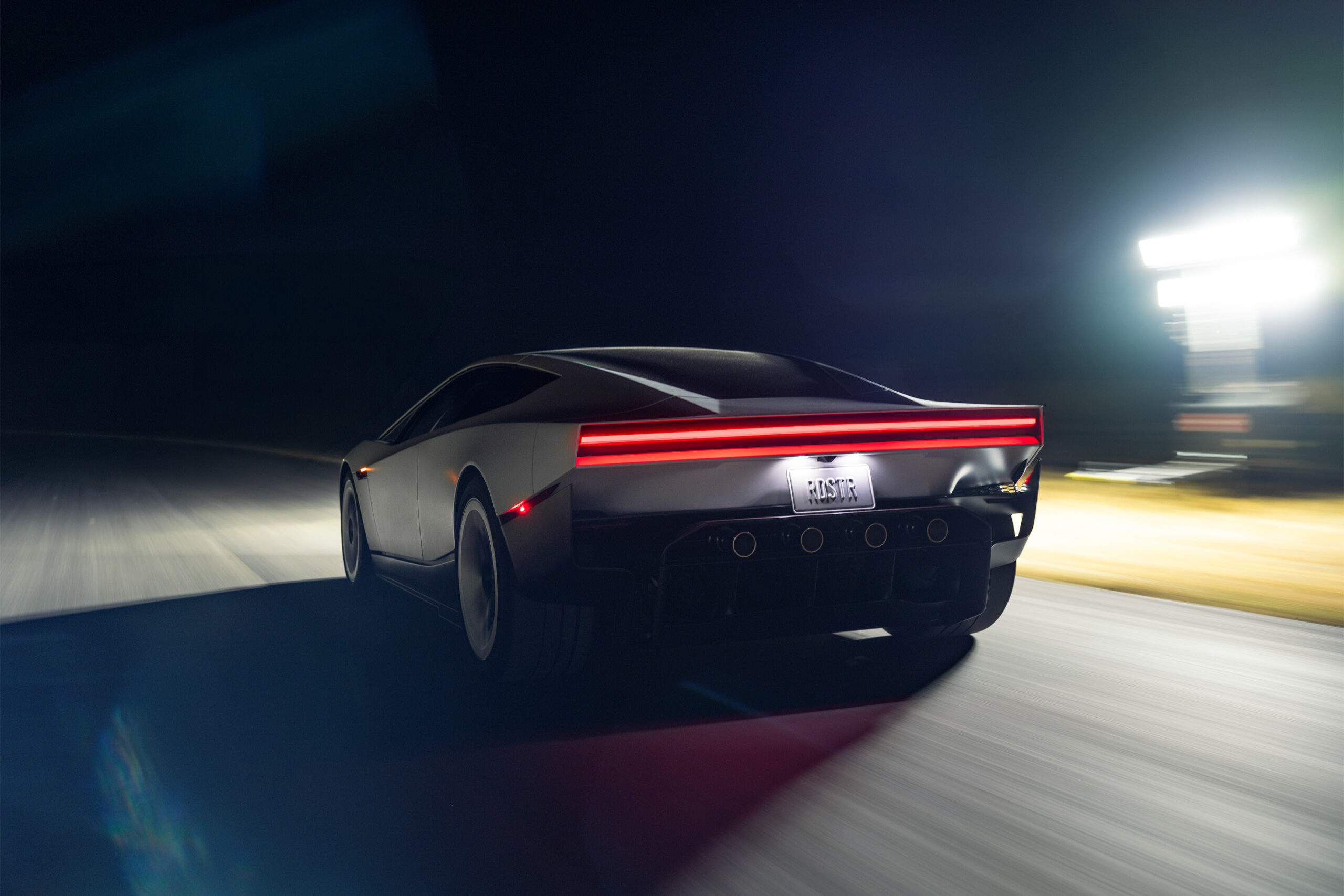
The fun parts for hobbyists watching the stream:
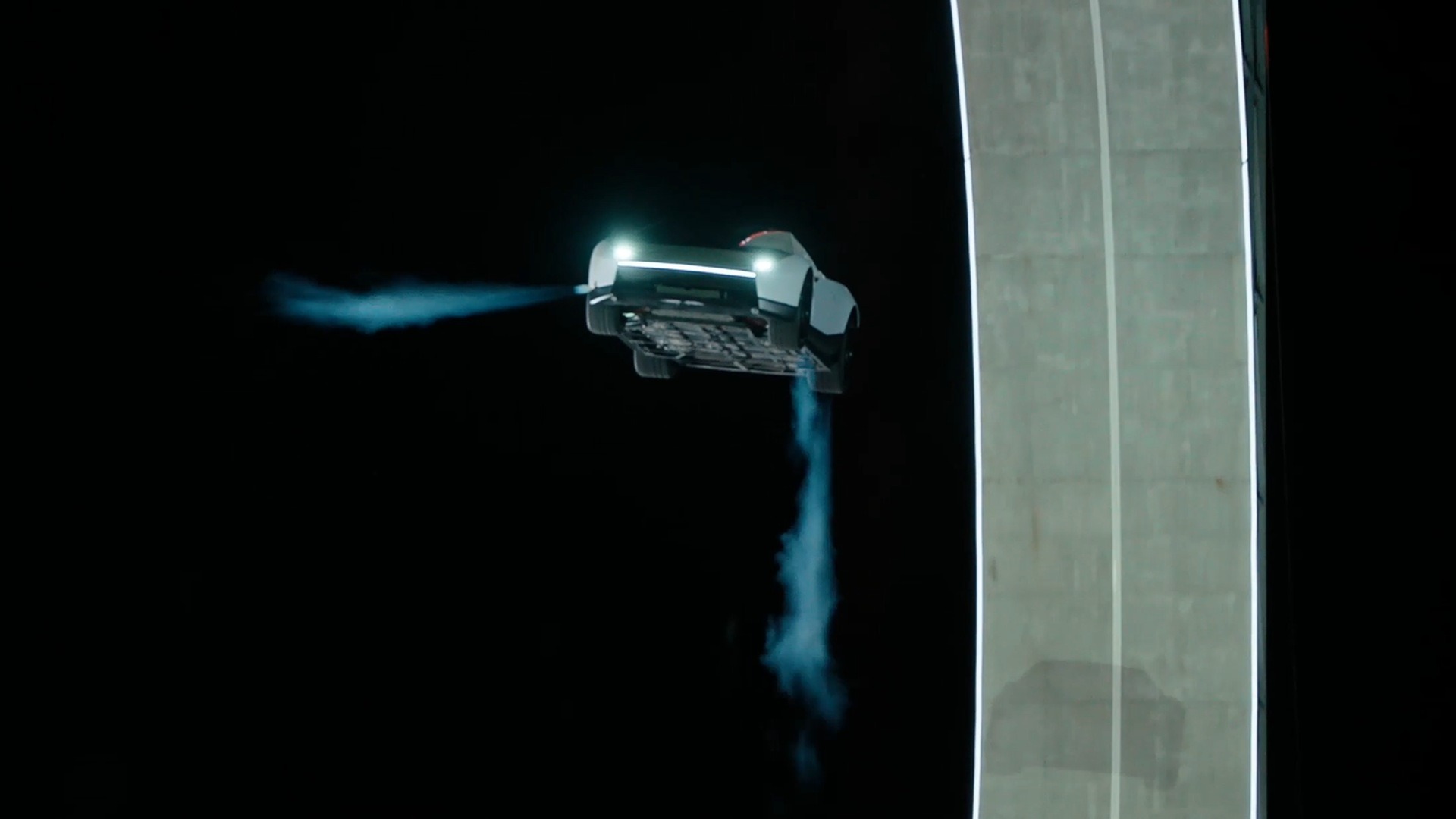
- A multi-mode fan and suction system that can hold the car upside down on a ramp.
- Cold-gas thrusters fed by carbon fiber overwrapped pressure vessels. TechCrunch reported 10 thrusters and roughly 600 liters of air, and the compressed air is rechargeable, so the stunts are not one-shot fireworks.
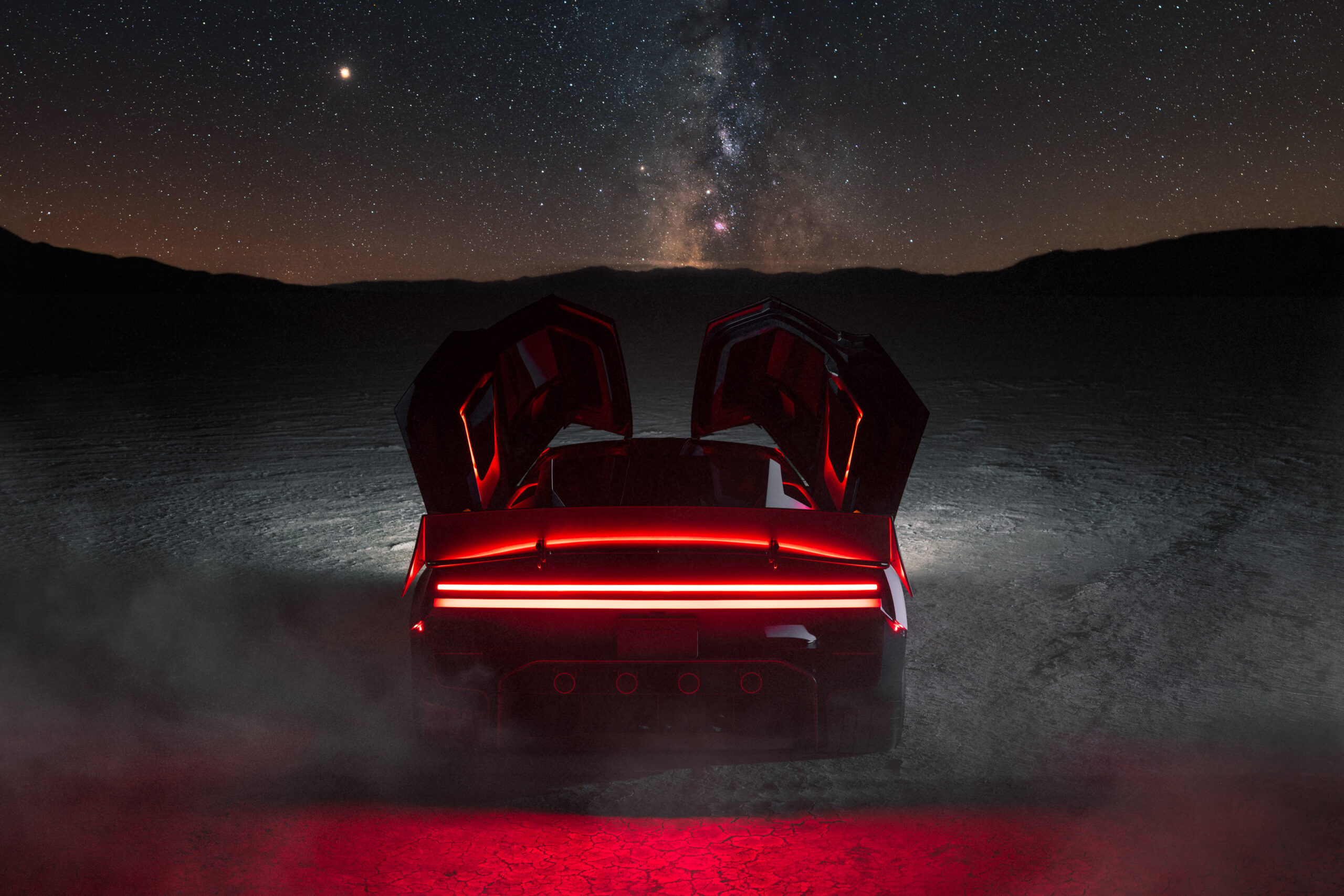
- Active aerodynamics, including a rear wing that rises for downforce.
In the live demo the white Roadster climbed a huge outdoor ramp, hung inverted thanks to suction, flipped and landed with thruster help, and jumped a line of other Teslas. An Optimus humanoid robot sat in the driver’s seat for the show.
Can it really fly?
Short answer: the Rocket trim is designed to leave the ground. Tesla says “So…yes, it can fly,” and also notes it is not approved for public road use.
Honest answer for hobbyists: what we saw was thruster-assisted hops, flips, and brief aerial maneuvers, not a car that cruises like an airplane. Rocket’s perimeter thrusters handle forward, upward, and lateral rotation. Engadget’s live coverage summed up the vibe as “falling with style.”
If your leisure dream is a street-legal daily flyer, this is not that. If your leisure dream is owning, or at least watching, the wildest Tesla toy ever shown, Rocket is the trim that matches the livestream.
The leisure takeaway
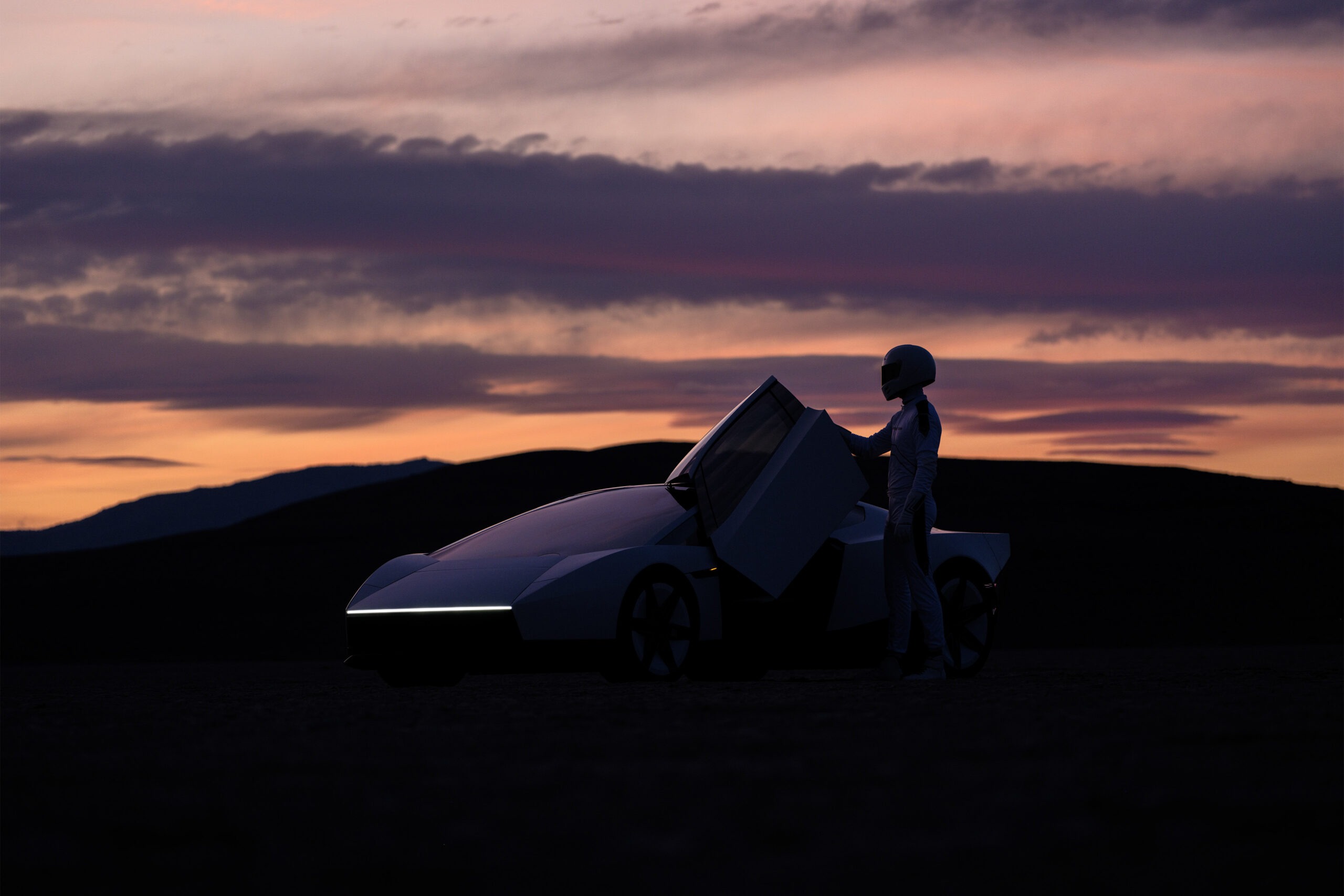
Car collecting as a hobby is about stories as much as speed. The Roadster story is that Tesla spent nine years after the 2017 tease, then showed a car that sticks itself to a ramp, fires cold-gas thrusters, and offers a flying trim almost nobody will be invited to buy.
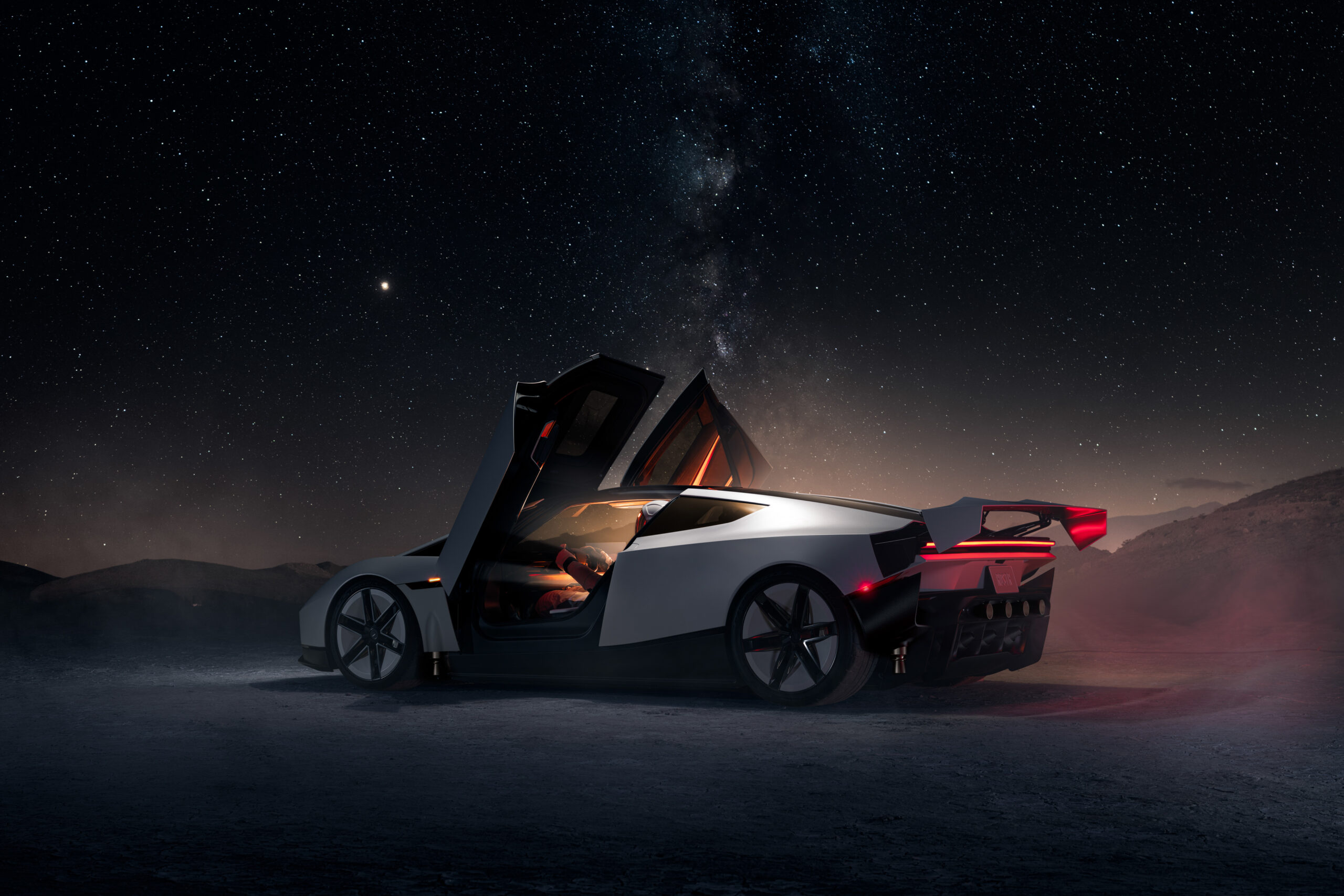
For most enthusiasts the realistic play is:
- Watch the livestream replay and Tesla’s own clips for the spectacle.
- Decide whether a $50,000 Performance deposit fits your hobby budget, knowing production is aimed at 2028.
- Treat Thrust and Rocket as rare collectibles, not something every aficionado will park in the garage.
The best leisure move is the one that always works for car culture. Enjoy the show, keep the deposit money you cannot afford to lose, and wait for the first independent drives before you call it the hobby car of the decade.