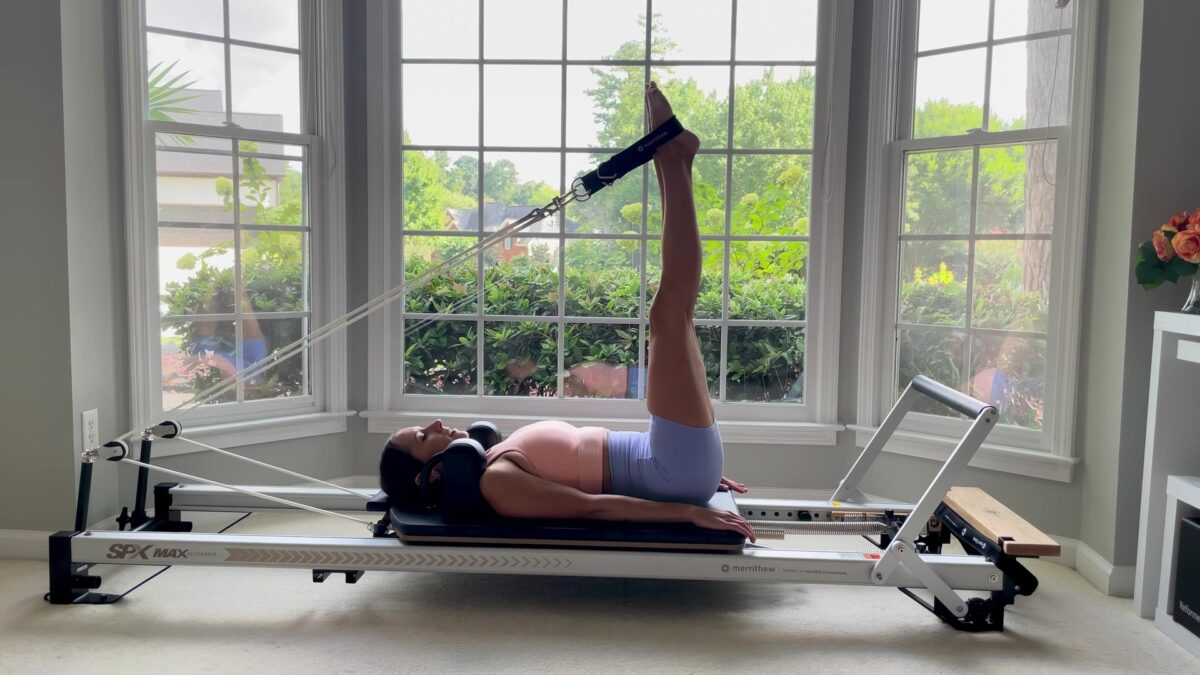
Reformer classes keep filling up, so more people are setting up a home Pilates reformer in a spare room instead.
Here’s the thing: these machines are a serious investment, and the wrong one quietly limits what you can do on it.
Springs are the heart of a home Pilates reformer
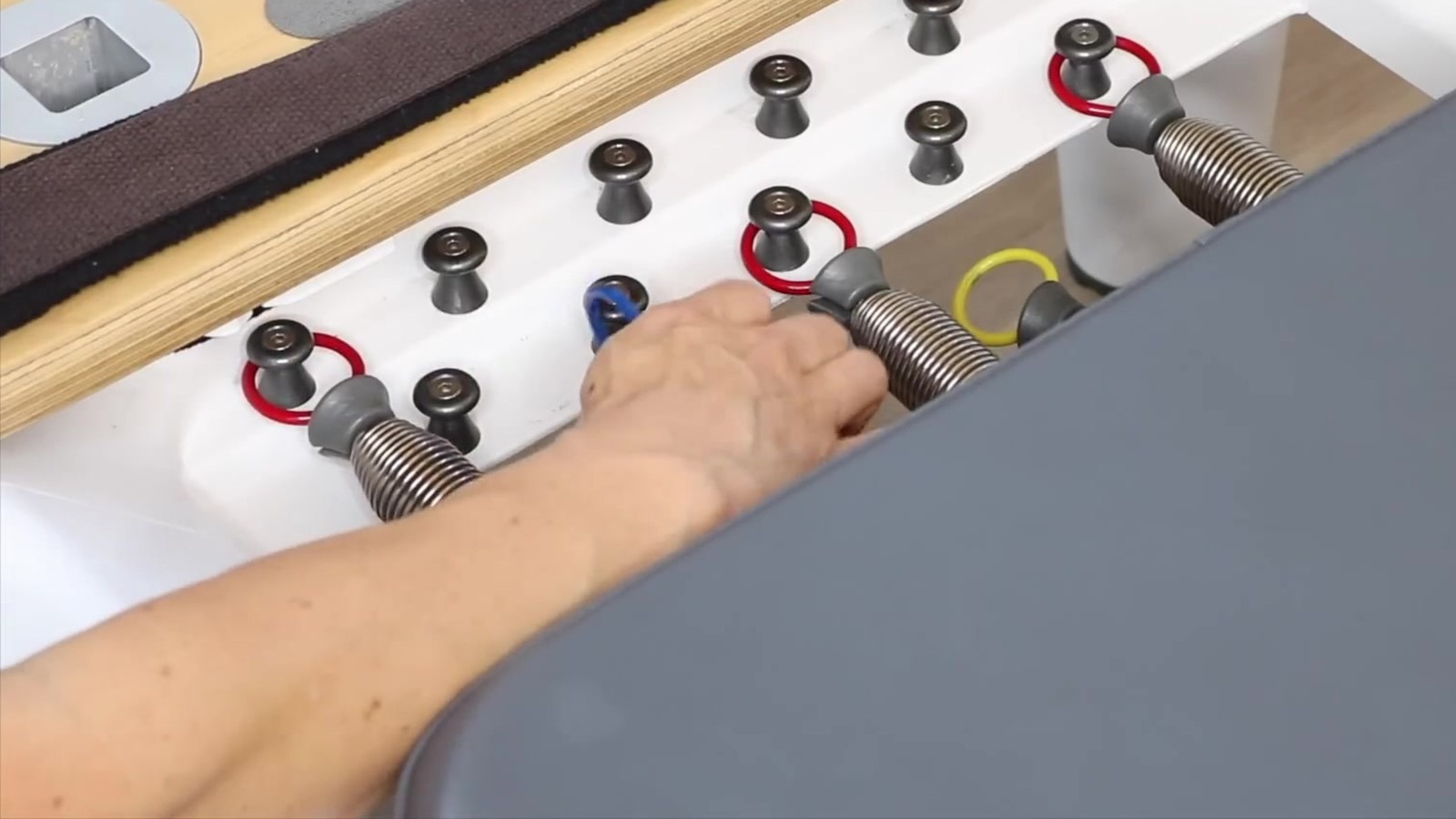
A reformer is a padded carriage that slides along a frame while springs pull it back home. You push out against the springs, then control the ride back.
Lesley Logan, founder of Online Pilates Classes, says that return trip is the point. Machines that swap springs for cables pull themselves home, so you only work in one direction.
Serene Wilken, a Pilates teacher who runs the Mindful Axis channel, puts it simply. You want to “really think about recoiling the spring with control.”
Look for color coded springs in several strengths, so you can go lighter or heavier as you progress.
Check the footbar, straps and headrest
Logan has one blunt rule: “you do not want a foot bar that is stationary.”
Wilken has used her Balanced Body Allegro 2 since 2013 with hundreds of clients. Its footbar locks into nine positions along the frame, which opens up more exercises.
The best part? Good design saves time. On her machine, both straps lengthen together with one lever, and the headrest moves while you lie on the carriage.
Logan also wants a headrest that lifts and lowers, because it supports your neck differently from one exercise to the next.
Do not skip the box
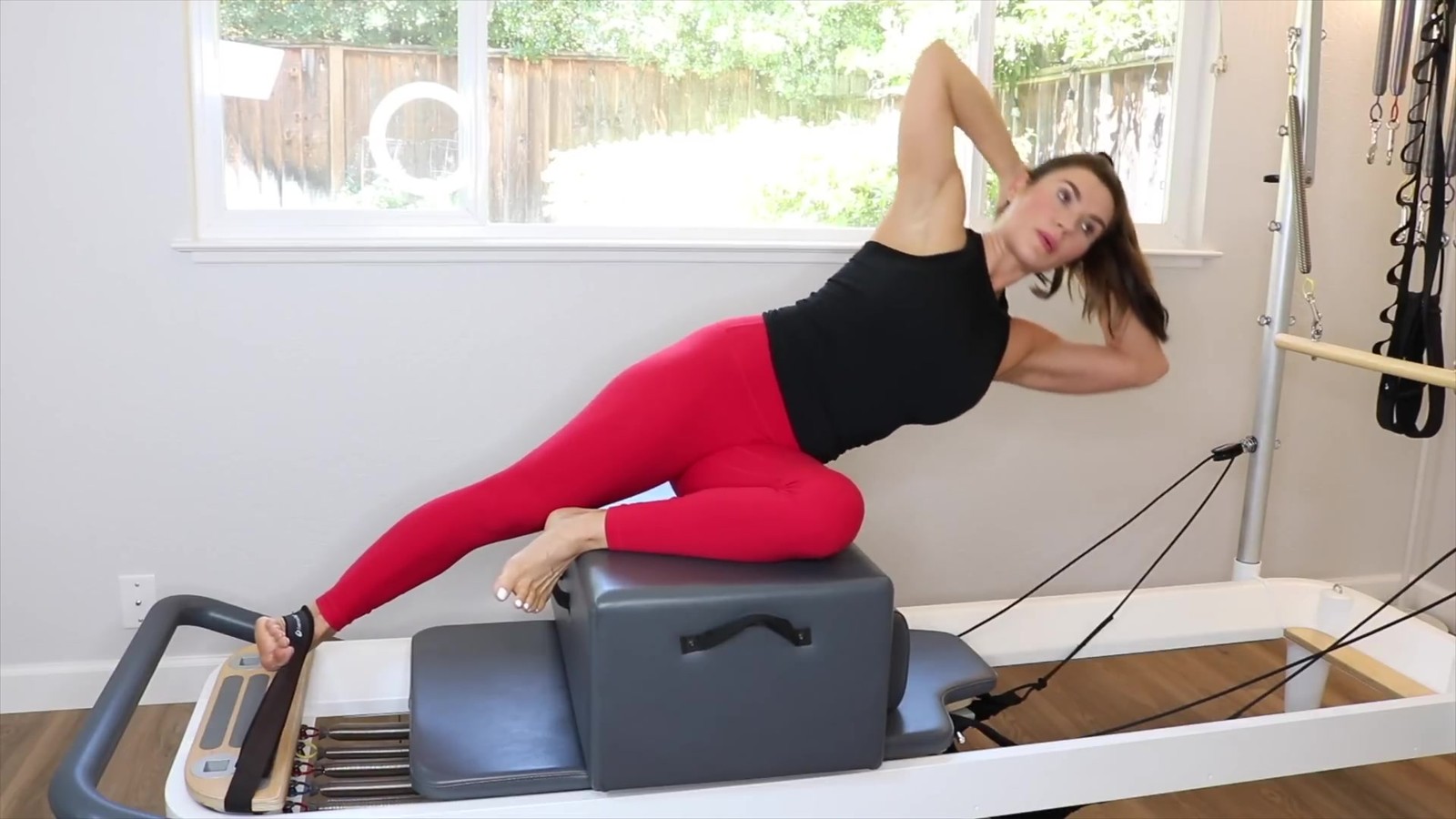
But there’s a catch. Some reformers sell the box as an optional extra.
Leave it out, Logan warns, and “you are losing out on a good 15 amazing exercises for all levels.”
Height matters too. She prefers a frame raised off the floor, because it is easier to get on and off, and some strap work needs space underneath.
Measure the room before you buy
Logan says most people only need an 80 inch reformer, and very tall people should look at a longer frame. Her own machine lives in a 10 by 12 foot guest room.
Wilken suggests “roughly three feet on each side” so your arms and legs can move freely.
Choosing wood? It looks lovely, but Logan cautions that “Wood warps over time.” Aluminum frames are lighter and easier to move.
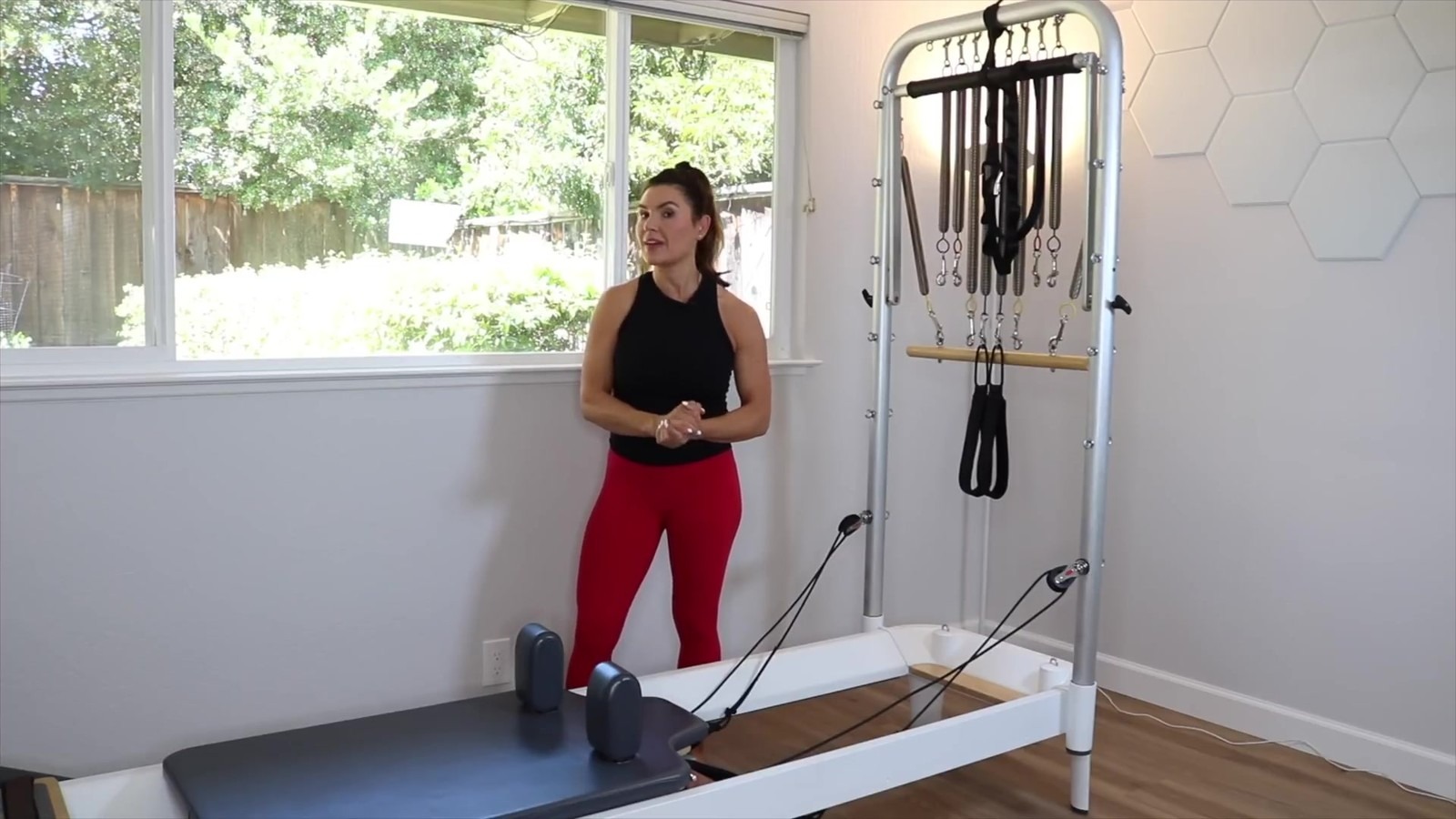
Leave room for a tower
A tower is an upright frame at the end of the reformer with a push through bar and more springs. Wilken says hers gives you roughly 95 percent of what a Cadillac, the full size Pilates table, offers.
Not sure which feel you like? Logan suggests booking a session on a studio’s machine first. Quality Pilates equipment also tends to hold its resale value.
Your first session at home
Rachel, the certified instructor behind Rachel’s Fit Pilates, starts her popular beginner class with slow breathing. Then she warms up and moves into footwork on three red springs.
Her class uses only the carriage, footbar and straps, which makes it a smart first test for a new machine.
Want something gentle for rest days? Try tai chi walking.
Watch: Choosing and using a home reformer
Logan walks through every part of a reformer and what to look for.

Wilken demonstrates the Allegro 2 footbar, springs, box and tower.

Rachel’s 30 minute beginner class is an easy first workout on any new machine.